Water-Only Face Washing: Effects, Precautions, and Methods by Skin Type
By Dr. Kim7 min read
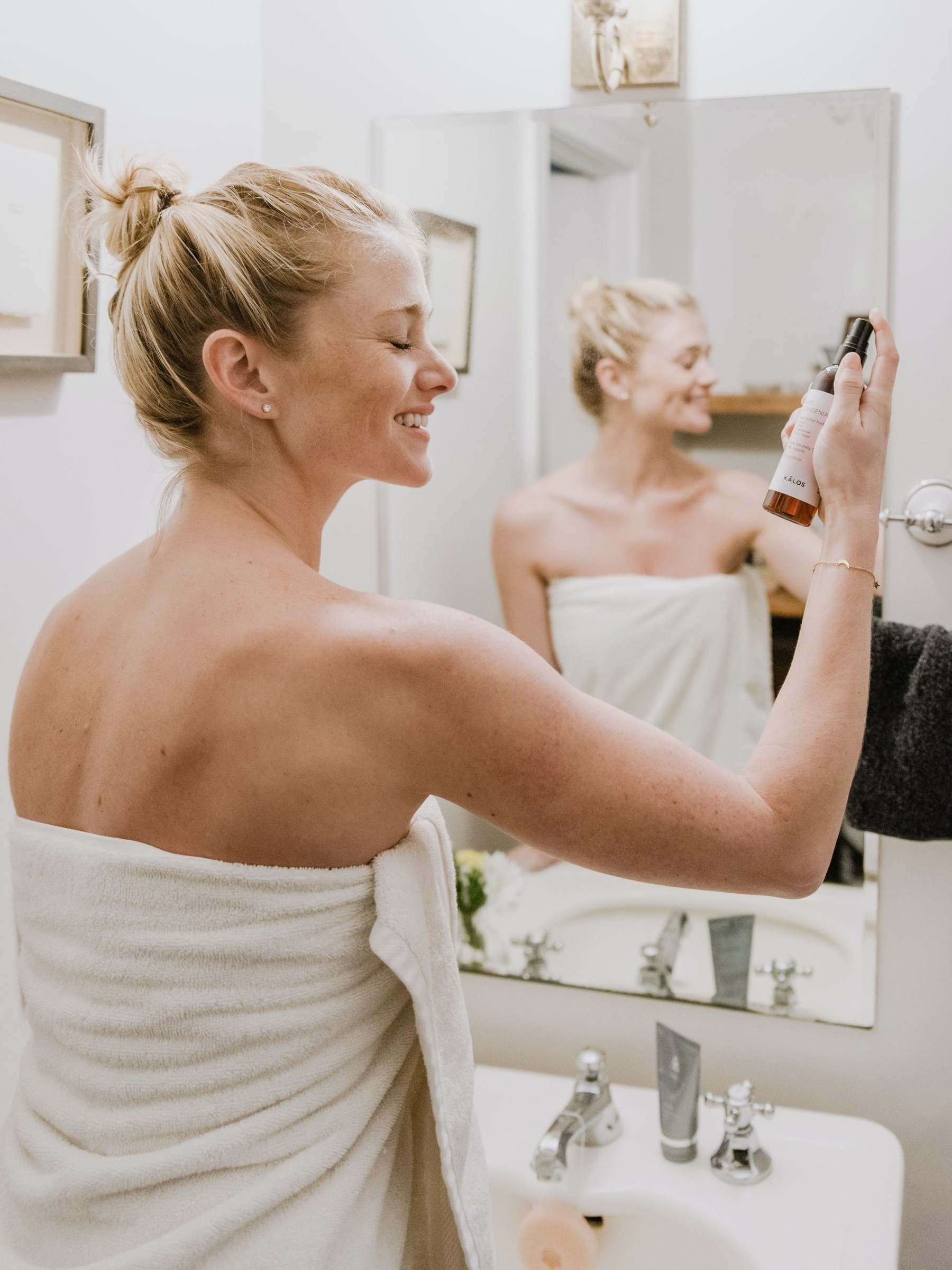
Most people treat that tight feeling right after washing their face as proof their skin just got a good clean. In reality, that tightness is closer to a sign that your skin lost water it needed. Washing twice a day with a cleanser can quietly thin out your skin barrier over time, even while it feels like you are taking good care of it. That is part of why water-only cleansing, skipping the cleanser entirely and washing with plain water, has been getting more attention lately. The thin layer of oil and moisture on the surface of your skin is where hydration actually starts, and keeping that layer intact matters more than people realize. No matter how good the products you apply afterward are, they cannot do much if the barrier is already compromised at the cleansing step.
What is water-only face washing?
Water-only cleansing is exactly what it sounds like: washing your face with lukewarm water alone, no cleanser or soap involved. In the morning, this usually means rinsing off the oil and sweat that built up overnight. In the evening, it often comes after makeup remover or a cleanser has already done the heavy lifting, with water used to rinse away what is left behind.
That does not mean water is the only thing ever touching your face. Heavy makeup or sunscreen at night still needs a proper cleanser first, and water-only washing gets layered in afterward as a lighter follow-up step. The real point is reducing how often and how aggressively you cleanse, so your skin gets to keep more of its natural protective layer.
This is not a new idea. Dermatologists have long recommended gentle, water-based cleansing for patients with conditions like atopic dermatitis or contact dermatitis, where the skin barrier is already compromised. What is new is that this same principle is now being applied more broadly to everyday skincare.
What do the skin barrier and sebum film do?
The outermost layer of skin, the stratum corneum, is often compared to a brick wall. Skin cells act as the bricks, and lipids fill the gaps between them like mortar, keeping moisture from escaping. These lipids come from a mix of sebum produced by oil glands and substances like ceramides found between skin cells.
On top of that sits a thin layer where sweat and oil mix together, known as the sebum film. It works like a lid, blocking outside irritants while slowing down how fast moisture evaporates from underneath. When that lid gets thinner, water escapes into the air that much faster.
Inside the skin cells themselves are amino acids, urea, and lactic acid, collectively called the natural moisturizing factor. Think of it as a built-in sponge that holds onto water. When these components get washed away, the stratum corneum loses its own ability to retain moisture.
Why do cleansers dry out the skin?
Most of a cleanser's cleaning power comes from surfactants, ingredients that can grab onto both oil and water at once, which is what lets them lift dirt and debris off your skin and rinse it away. The problem is that surfactants are not selective. They do not just grab the grime.
They also pull away the sebum and ceramides that were protecting your skin, opening up gaps in that brick-and-mortar structure of the stratum corneum. Moisture escaping rapidly through those gaps is called transepidermal water loss, and the tight feeling right after washing is the first sign that this process has already kicked in. The stronger the cleanser and the more often you wash, the more frequently these gaps open up.
Dermatology clinics can actually measure transepidermal water loss with instruments. Right after using a strong cleanser, this number often spikes briefly, which reflects moisture rushing out through the newly opened gaps in the barrier. Closing those gaps back up on its own usually takes a few days.
Does water-only washing help hydration?
Water on its own has no surfactants, so it does not forcibly strip away sebum and ceramides. It rinses off sweat and light surface debris that dissolve easily in water, while leaving most of the lipid layer covering your skin intact.
That is why people who switch to water-only cleansing often notice less tightness right after washing. With less of a gap opened up between skin cells, moisture naturally escapes more slowly. This matters even more when the season is dry or when skin has already become sensitized from frequent cleansing. Simply dialing back how aggressively you cleanse can buy your skin the time it needs to rebuild its own ability to hold onto moisture.
Once the barrier recovers, moisturizers you apply afterward also tend to work noticeably better. With narrower gaps in the stratum corneum, the water and lipids in a moisturizer can stay in the skin longer. When those gaps are wide open, on the other hand, even a great moisturizer evaporates away faster than it should.
Skin that suits water-only washing and skin that doesn't
Water-only cleansing does not help everyone equally. If your skin runs dry or your barrier has already thinned from frequent washing and exfoliation, dialing back cleansing intensity alone can noticeably reduce tightness and irritation.
Oily or acne-prone skin is a different story. When sebum sits in pores too long, it clogs them and makes inflammation more likely, so some degree of cleansing power is actually necessary for this skin type. On days with heavy sunscreen or makeup, water alone will not fully rinse away the oil-based residue either, which makes pairing it with a proper cleanser the safer choice.
Right after a sweaty workout or on days with heavy fine dust, water-only cleansing alone may not be enough either. A practical middle ground is switching just one of your two daily washes, morning or evening, to water-only, and keeping a gentle cleanser for the other.
How to do water-only washing correctly
If you want to try it, a few basics go a long way toward getting real results.
- Keep the water lukewarm: Hot water dissolves the lipids in your sebum film more aggressively, which means even plain water can damage your barrier if it is too hot.
- Cup and rinse instead of rubbing: Scrubbing with your hands adds physical friction that can weaken the stratum corneum, so it is better to splash water gently over your face instead.
- Apply moisturizer within three minutes: Surface moisture from water-only cleansing evaporates quickly once your skin starts to dry, so you need to lock it in with a moisturizer before that happens.
- Pair it with a cleanser at night: A full day's buildup of debris and sunscreen is hard to remove with water alone, so a realistic approach is finishing your evening wash with a light cleanser and saving water-only cleansing for mornings.
Limits to know before trying water-only washing
Water-only cleansing is not a cure-all. If your skin starts looking greasier or breaking out more after a few days, that is a strong sign you have oilier skin than the method suits, and there is no need to force it.
It also does not mean you can skip moisturizing altogether. Reducing cleansing intensity and adding hydration back in are two separate steps, so toner and cream should stay part of your routine even after switching to water-only washing. On days with heavy fine dust or thick sunscreen, water alone may not clean your skin thoroughly, so it helps to stay flexible and adjust your approach based on how your skin and makeup look that day.
Rather than expecting a dramatic change within a few days, give it at least one to two weeks before judging the results. Both barrier recovery and any oil buildup or breakouts take some time to show up. Watching how your skin responds during that window is really how you figure out the right frequency for you.
References
Korean Dermatological Association, American Academy of Dermatology (AAD), and Ministry of Food and Drug Safety (MFDS).
Was this helpful?
About this article
Written by a practising aesthetic physician and intended for general education — not a substitute for individual medical advice.
Read next
Pigmentation After Laser Hair Removal: Why It Happens and How to Prevent It
Laser hair removal works by using heat to destroy melanin inside the follicle, but when that heat spreads into the epidermis, it can leave a burn that later turns into hyperpigmentation. Here is why burn risk changes with skin tone, wavelength choice, and cooling method, along with ways to reduce it beforehand.
By Dr. Lee
Milk Peel and Lactic Acid: Results, Irritation, Suitable Skin Types, and Precautions
Milk peel is a peel that clears old buildup using lactic acid, an AHA. Because lactic acid has a larger molecule, it does not rush deep into the skin, and it also holds onto moisture in the skin, so it stays gentle while smoothing texture. Here is how that mild action actually works.
By Dr. Kim

Filler and Fat Grafting: Differences, Duration, and Reversibility Compared
Filler is made of hyaluronic acid that the body's own enzymes slowly break down, so it can be reversed with a dissolving injection if needed. A fat graft is different: the fat cells that survive settle in permanently, which means the result is much harder to undo once it takes. Here is the biology behind why these two treatments behave so differently under the skin.
By Dr. Lee