Hand Filler Effects and Duration, Including Skin Boosters and Microneedling
By Dr. Kim7 min read
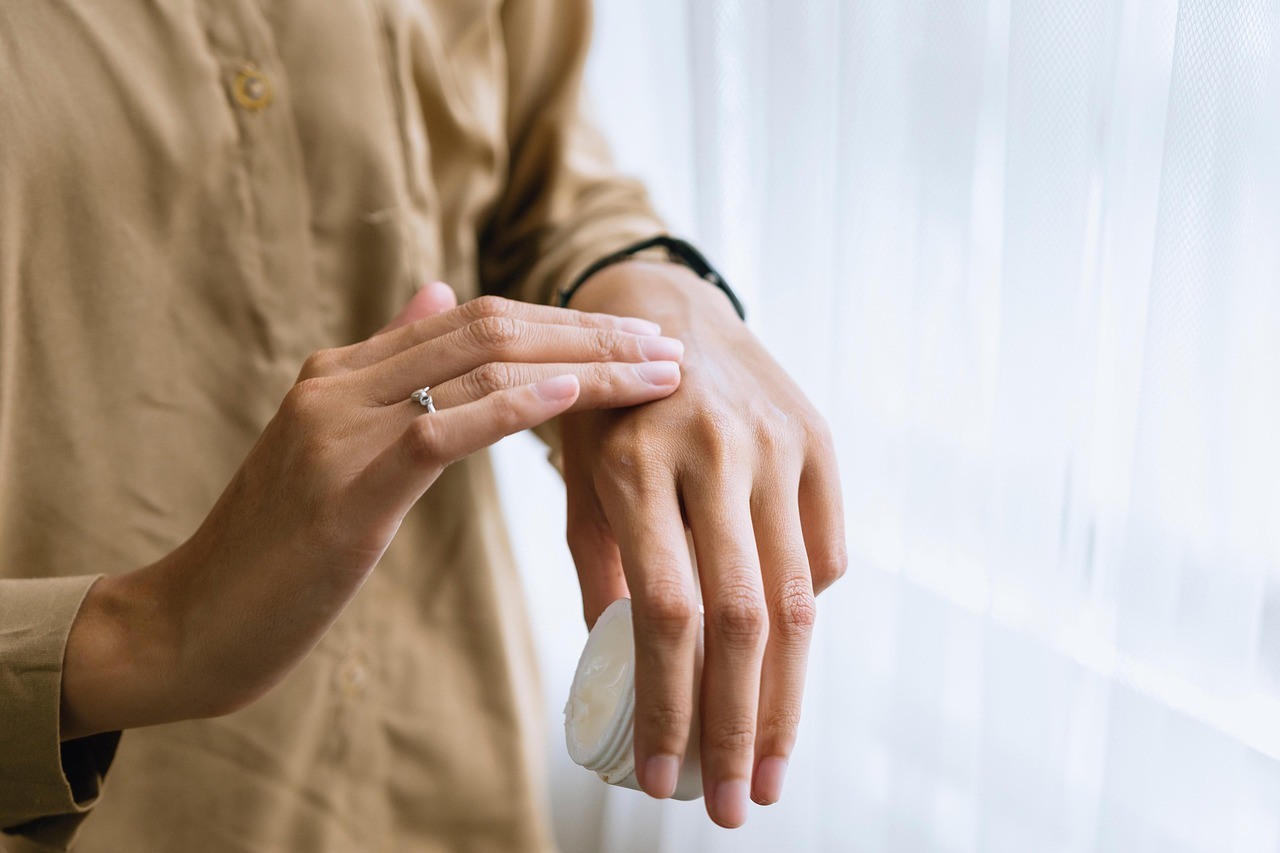
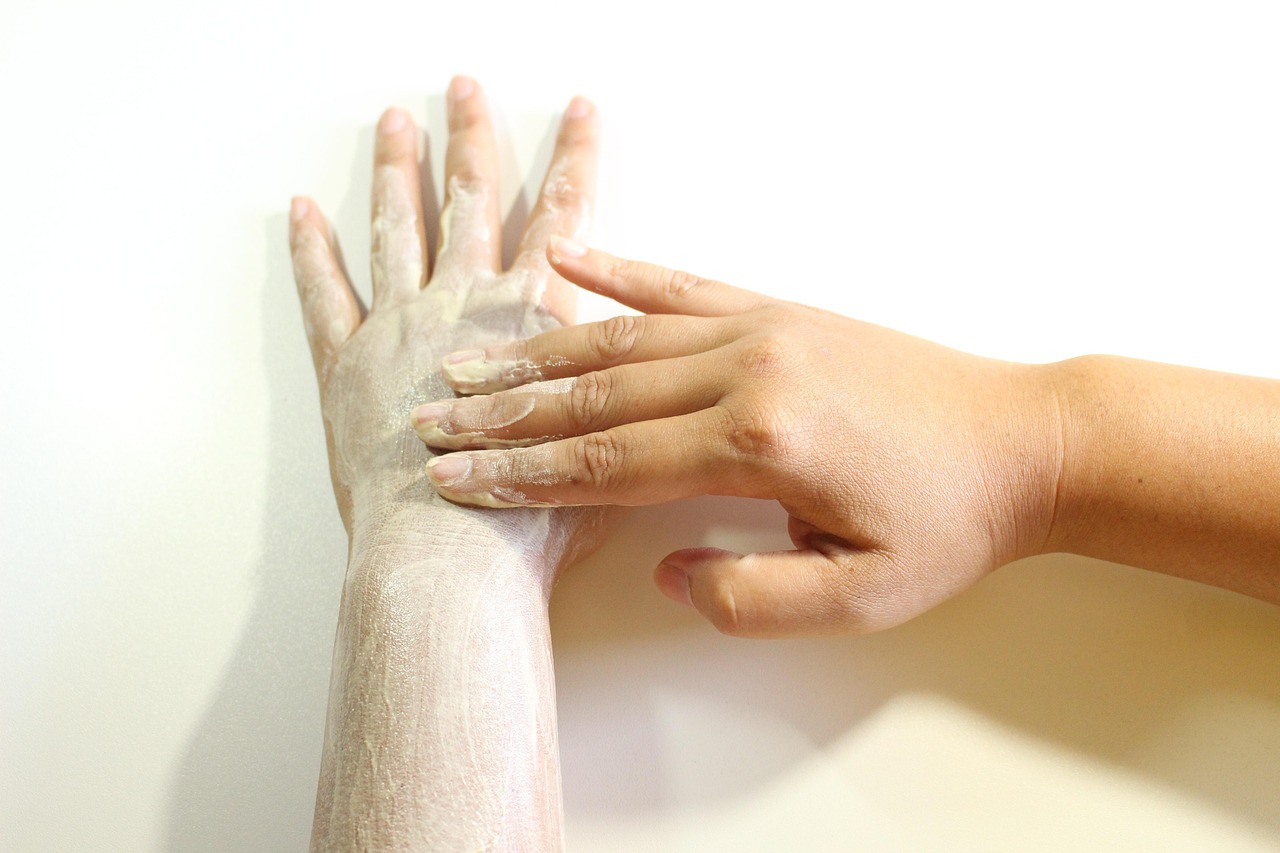
You spend so much time caring for your face in the mirror, but the backs of your hands rarely get a second thought until one day the age starts to show. Hand skin is thin, has fewer oil glands, and holds less moisture, and it's exposed to sun almost constantly, so it tends to age faster than the face. As the underlying fat thins, tendons and veins start to stand out, and the skin develops a thin, crepey texture.
Fortunately, the techniques developed for the face translate well to the hands. Filler restores lost volume, while skin boosters and microneedling reinforce thinning texture. Add a good at-home routine, and hands can look noticeably younger and smoother. Here's a breakdown of what each treatment does, how well it works, and how long the results last.
Why do the backs of the hands look older than the face?
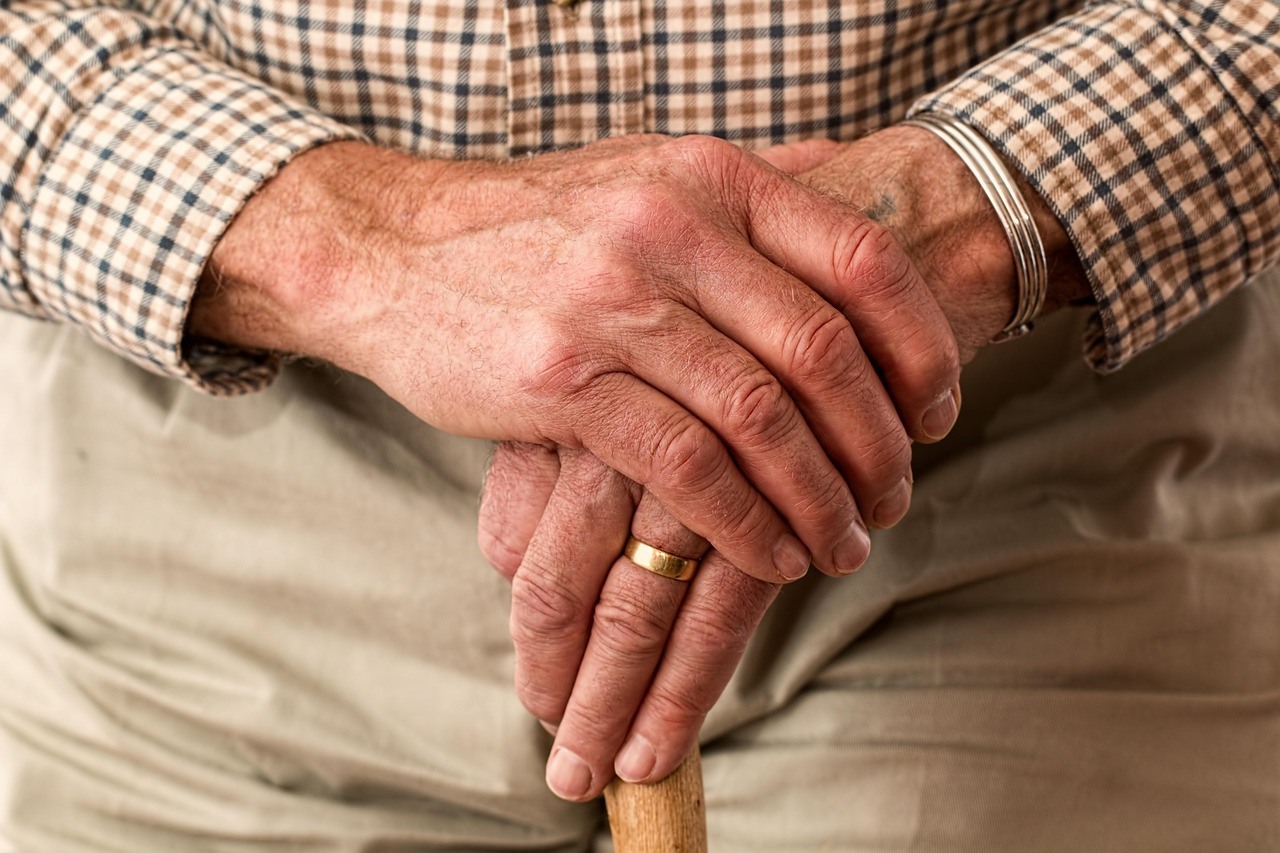
A few overlapping changes make hands look older. The first is volume loss. As you age, the fat and collagen beneath the skin on the back of the hand thin out, and tendons and veins that used to sit hidden beneath the surface start to show through. That's the main reason hands look bony. The fat layer on the back of the hand was never as thick as it is on the face, so even a small amount of loss lets the tendons and veins underneath show clearly. Because hands are used and washed constantly, this change often becomes visible sooner than it does on the face.
The second factor is skin texture. Skin on the back of the hand is thinner and has less oil than facial skin, so it dries out easily. When thinning skin develops fine lines and starts to look crinkled like paper, that's what's known as crepey skin. As the underlying fat thins with age, this crepey texture becomes more pronounced, and skin that's gently pinched and released also takes longer to bounce back. In the end, making hands look younger means addressing both lost volume and thinning texture. Just as the face carries a record of time, hands show the accumulated effect of years of sun exposure and aging, which is why treatment tackles volume and texture as two separate issues.
What kind of filler is used on the hands?
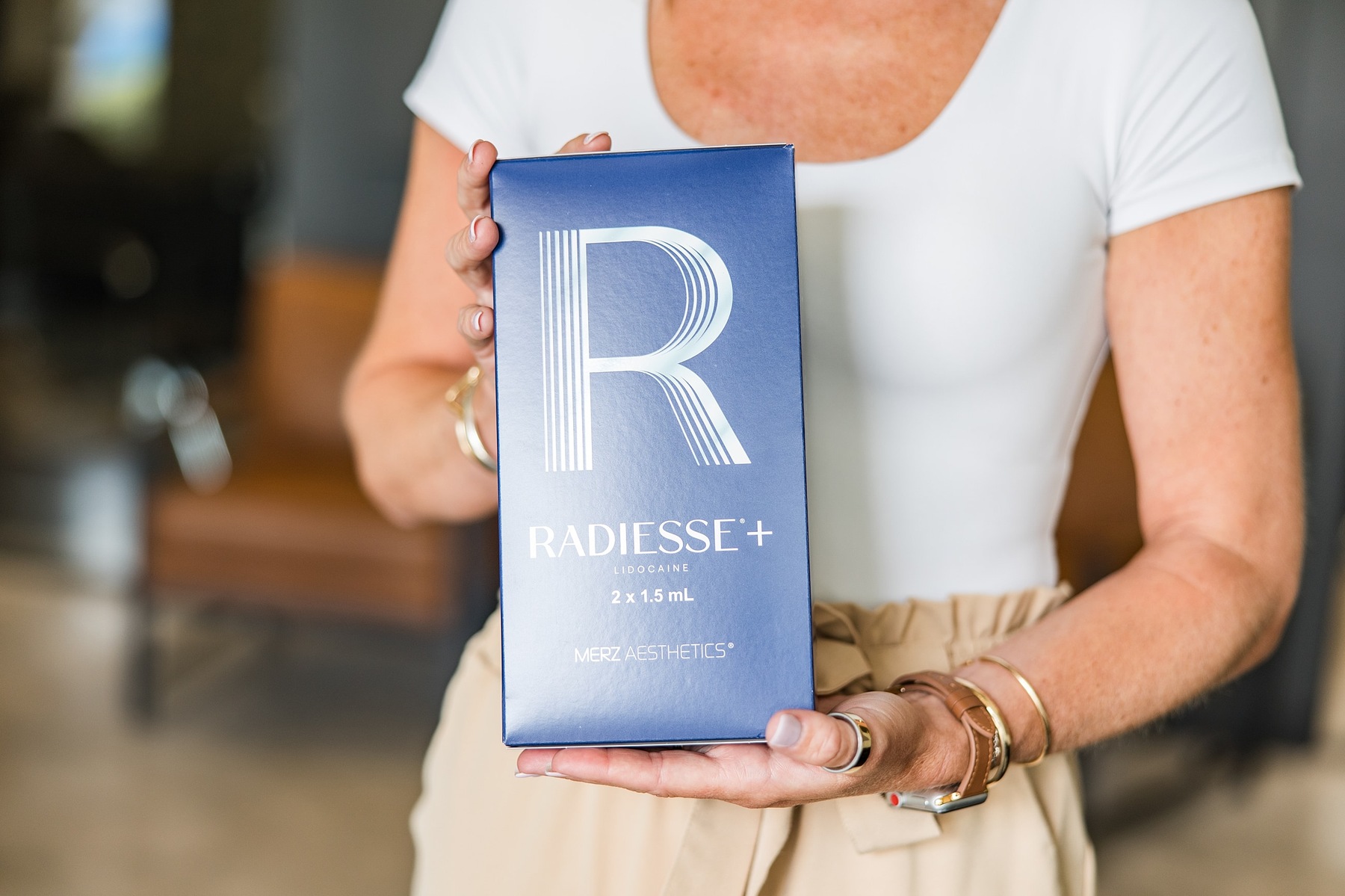
The filler most commonly used on hands is calcium hydroxylapatite. The name sounds complicated, but think of it simply as tiny calcium particles, the same mineral found in your bones, suspended in a gel. The best-known product is Radiesse, which the US FDA formally approved for hand volume restoration in 2015.
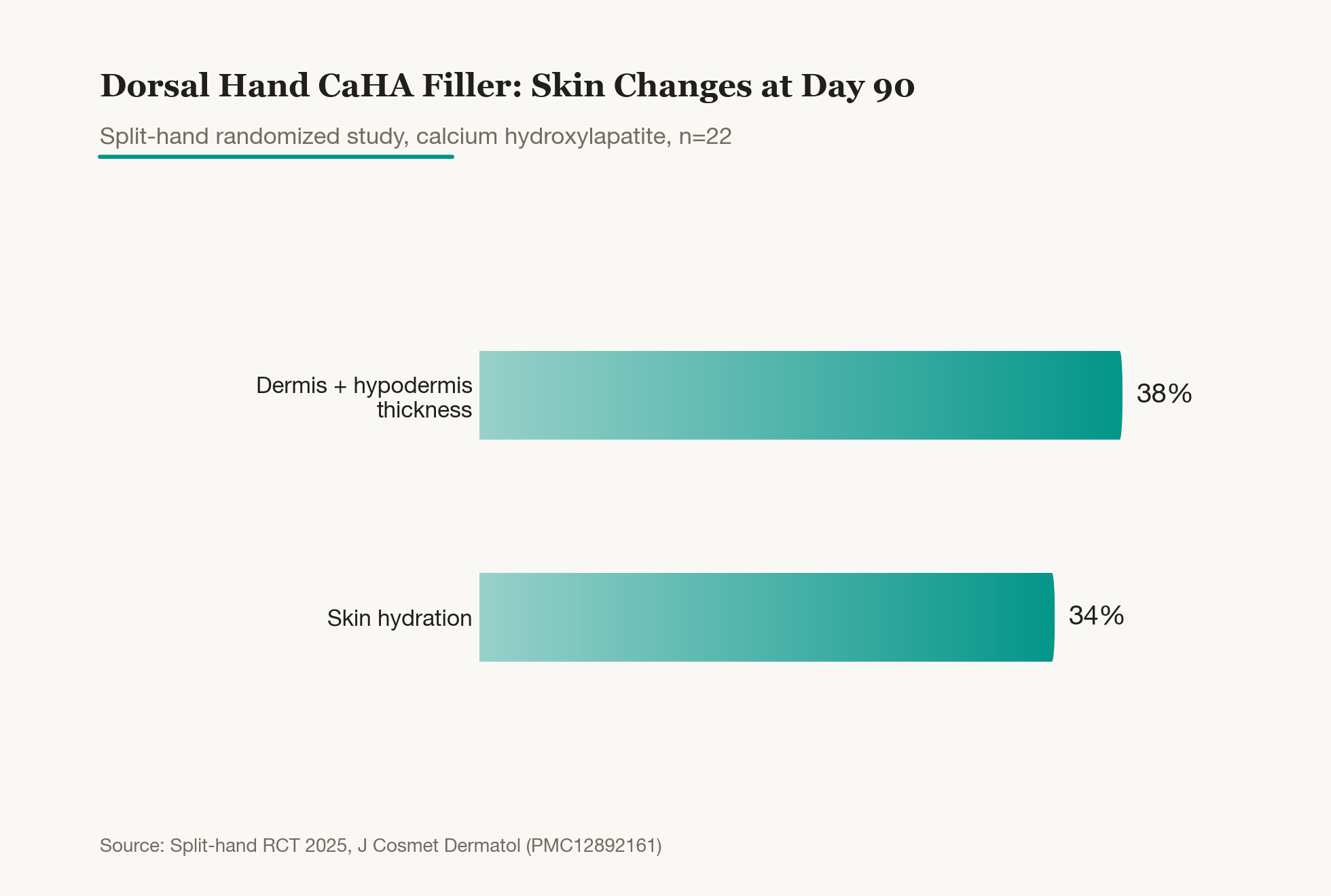
This filler works two ways. The gel fills in hollow areas the moment it's injected, and over time the calcium particles stimulate new collagen production. So even as the filler itself gradually breaks down, the new collagen carries some of that volume forward. In one study, skin and subdermal thickness on the back of the hand increased by about 38%, and skin hydration rose by roughly 34%, 90 days after treatment. In another study, a single session alone improved 94.8% of patients by at least one grade on the Merz Hand Grading Scale.
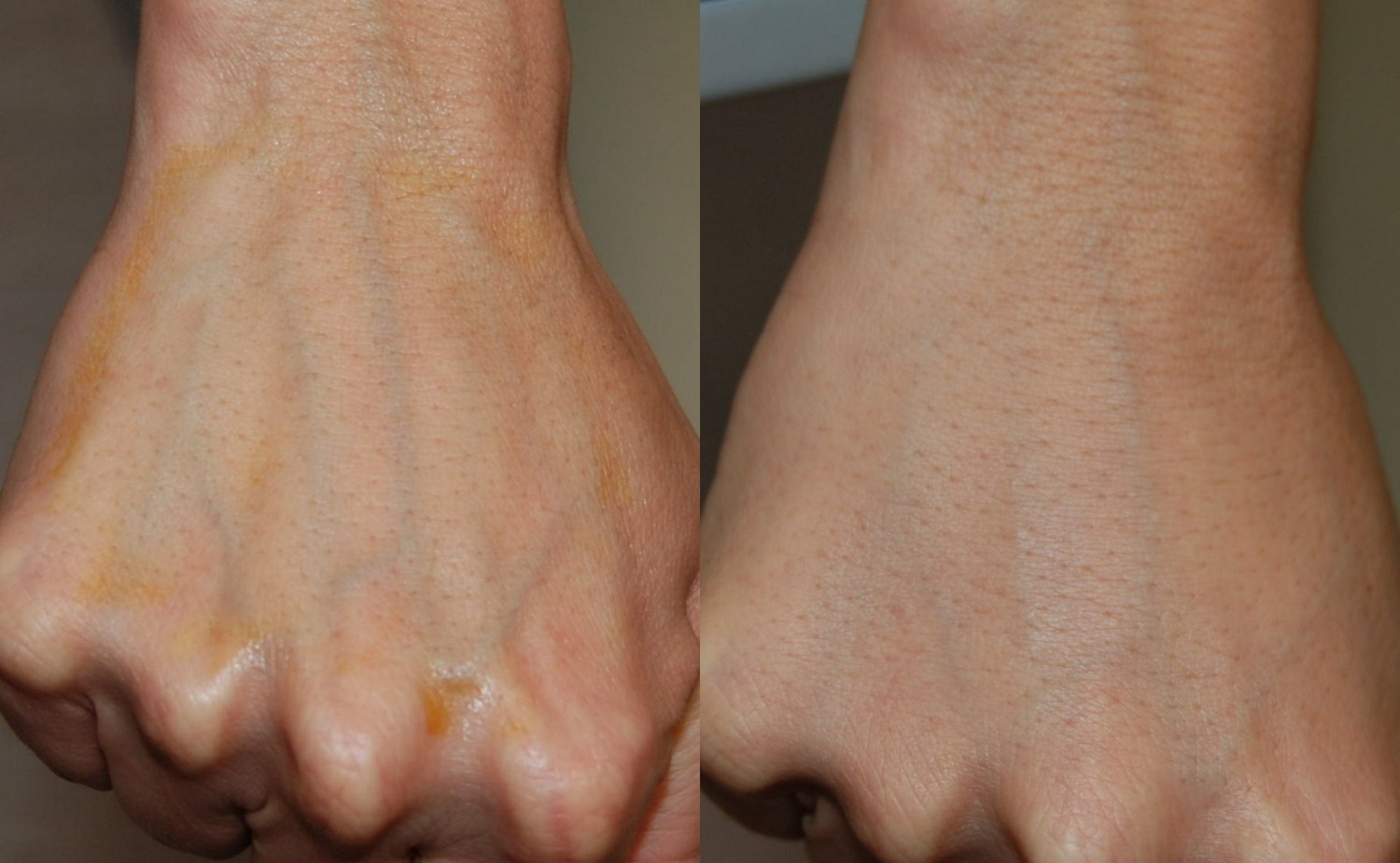
If volume is your only goal, hyaluronic acid filler, or HA filler, is also a solid choice. Because HA binds water, it adds both volume and hydration, and it has the advantage of being reversible if any problems arise. In a 12-month study comparing the two directly, both CaHA and HA delivered good results on the hands, with no major side effects.
The procedure typically involves gently lifting the skin on the back of the hand, injecting the filler, and spreading it evenly. Because tendons and veins run close to the surface here, it's safest and most natural when a provider who understands this anatomy spreads the filler thinly in the layer above them.
When are skin boosters and microneedling used?
| Treatment | Main Goal | Duration |
|---|---|---|
| CaHA filler | Restores lost volume | 12–18 months |
| HA filler | Volume and hydration | About 12 months |
| Skin booster | Hydration and elasticity | Several months |
| Microneedling | Skin texture | Several months |
Once volume is restored, what's left is thin, dry-looking texture. That's where skin boosters come in. A skin booster involves injecting hyaluronic acid in tiny, closely spaced micro-doses just under the surface of the hand skin. HA binds water and hydrates the dermis from within, creating a better foundation for collagen and elastin to settle into. Studies on hands have shown hydration, elasticity, and skin thickness all improving together.
Microneedling is also used to refine texture. Very fine needles create tiny controlled injuries in the skin, and as the body repairs them, it produces new collagen. This helps add elasticity to thinning hand skin and smooths out fine surface texture.
These two treatments work differently from volume filler. Rather than filling anything in dramatically, they focus on improving the underlying quality of the skin itself. That's why restoring volume with filler first, then finishing with a skin booster or microneedling for texture, tends to leave hands looking smoother and more youthful. It's less a one-time fix than a series of sessions spaced a few weeks apart that build results over time.
Duration of filler and skin boosters
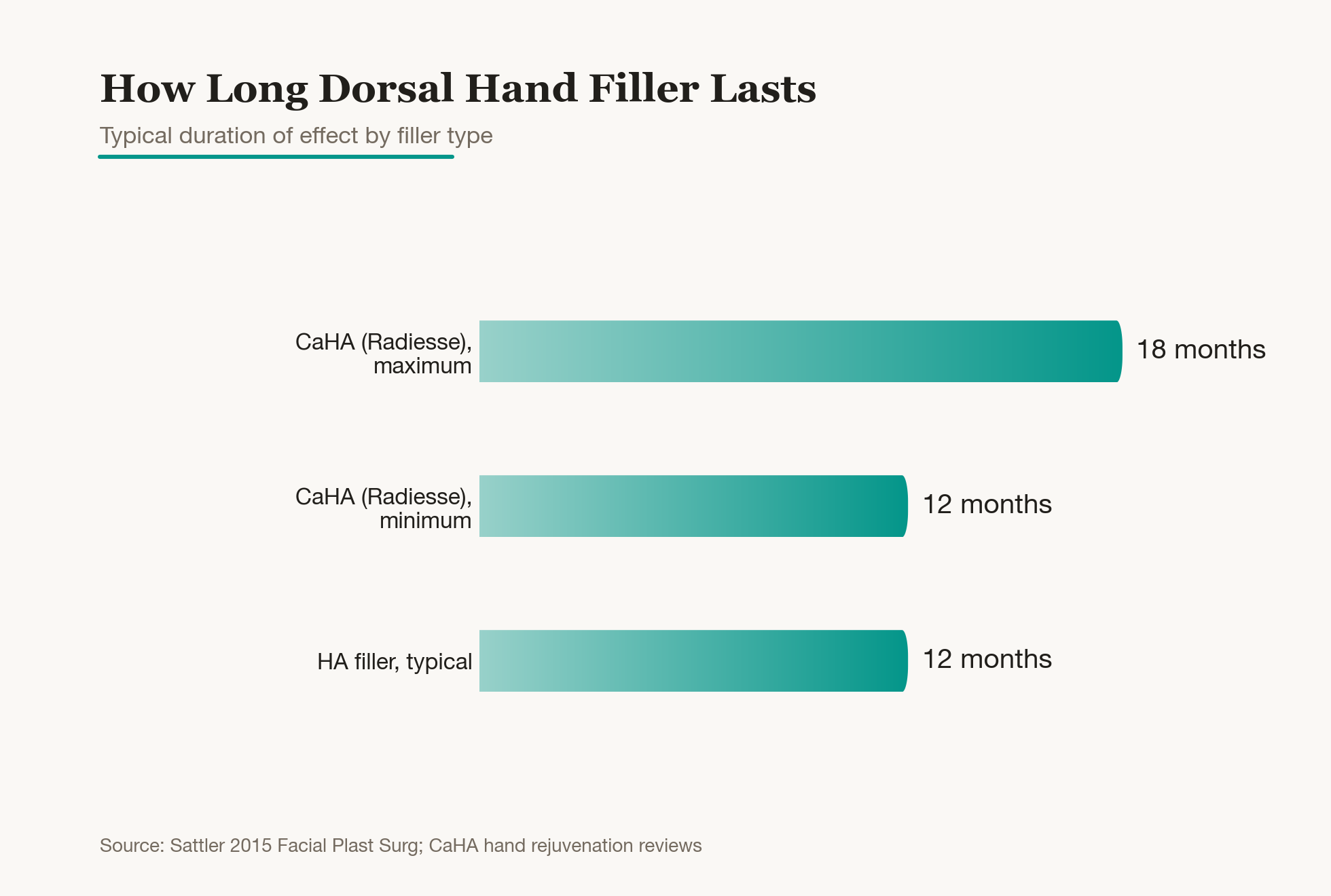
Duration varies by treatment. Volume fillers last the longest. Thanks to the added collagen stimulation, calcium hydroxylapatite filler typically lasts about 12–18 months. HA filler generally lasts around 12 months. In the 12-month comparison study mentioned earlier, both fillers still showed results a full year out. That said, absorption rates vary from person to person, so results can last a bit shorter or longer depending on the individual. People who use their hands heavily or wash them frequently tend to break down filler somewhat faster, which is why the first session or two are sometimes scheduled a bit closer together while gauging how things settle.
Skin boosters and microneedling improve texture, so their effects last several months, and a light touch-up each season keeps skin in good shape. Rather than one big procedure, hand care works best as ongoing maintenance, with volume and texture each addressed on their own schedule, topping up filler when volume dips a little and adding a booster when texture turns rough. It's also more realistic to budget for this as recurring maintenance rather than a single treatment.

Aftercare and who should get it
The real key to making results last is your at-home routine. Sun protection matters most. Hands are exposed to sunlight constantly, whether you're driving or walking, so applying sunscreen as diligently as you do on your face, and reapplying after washing your hands, slows down aging.
Topical ingredients help too. A thin layer of retinoid at night smooths texture and gradually softens fine lines. Products containing niacinamide can also be added to improve texture. On top of that, applying a moisturizing cream often to keep the back of the hand hydrated helps reduce that crepey, wrinkled feel.
Which treatment to choose depends on your main concern. If prominent tendons and veins are making your hands look bony, filler is the better fit. If thin, dry texture is the issue, skin boosters and microneedling work well. When both concerns overlap, treatments can be phased in together.
That said, treatment is best postponed if you're pregnant or breastfeeding, have inflammation or infection at the treatment site, or have had a hypersensitivity reaction to filler ingredients before. Since tendons and veins run close to the surface on the back of the hand, it's safest and most natural to have hand filler done by an experienced provider who knows this anatomy well. By tailoring volume and texture care to your own hands, you can keep them looking youthful for years, just like your face.
Was this helpful?
About this article
Written by a practising aesthetic physician and intended for general education — not a substitute for individual medical advice.
Read next
Under-Eye Hollow Filler: Effect and Side Effects, and the Tyndall Effect to Watch
The dark, sunken look under the eyes often comes less from pigment than from hollowing and the shadow it casts. Here's how the tear trough ligament and lost volume under the eye create that shadow, how a soft hyaluronic acid filler placed shallowly and sparingly smooths it out, why thin skin and the bluish Tyndall effect make this area tricky, and how long results actually last, all backed by real published numbers.
By Dr. Kim
Lip Filler Duration and Side Effects, Including Aftercare
Lip volume filler works by drawing in water through hyaluronic acid as it settles into place. Because lips move more than other areas, how long results last and how recovery unfolds differ too. Here's a full rundown of the texture differences between filler types and how to care for results safely.
By Dr. Kim
Hand Aging: Why Do Hands Look Older Than the Face?
The backs of your hands often show age before your face does. Here's why fat loss and pigmentation build up there first, and how far sun protection and the right ingredients can actually slow it down.
By Dr. Lee