Hand Aging: Why Do Hands Look Older Than the Face?
By Dr. Lee7 min read
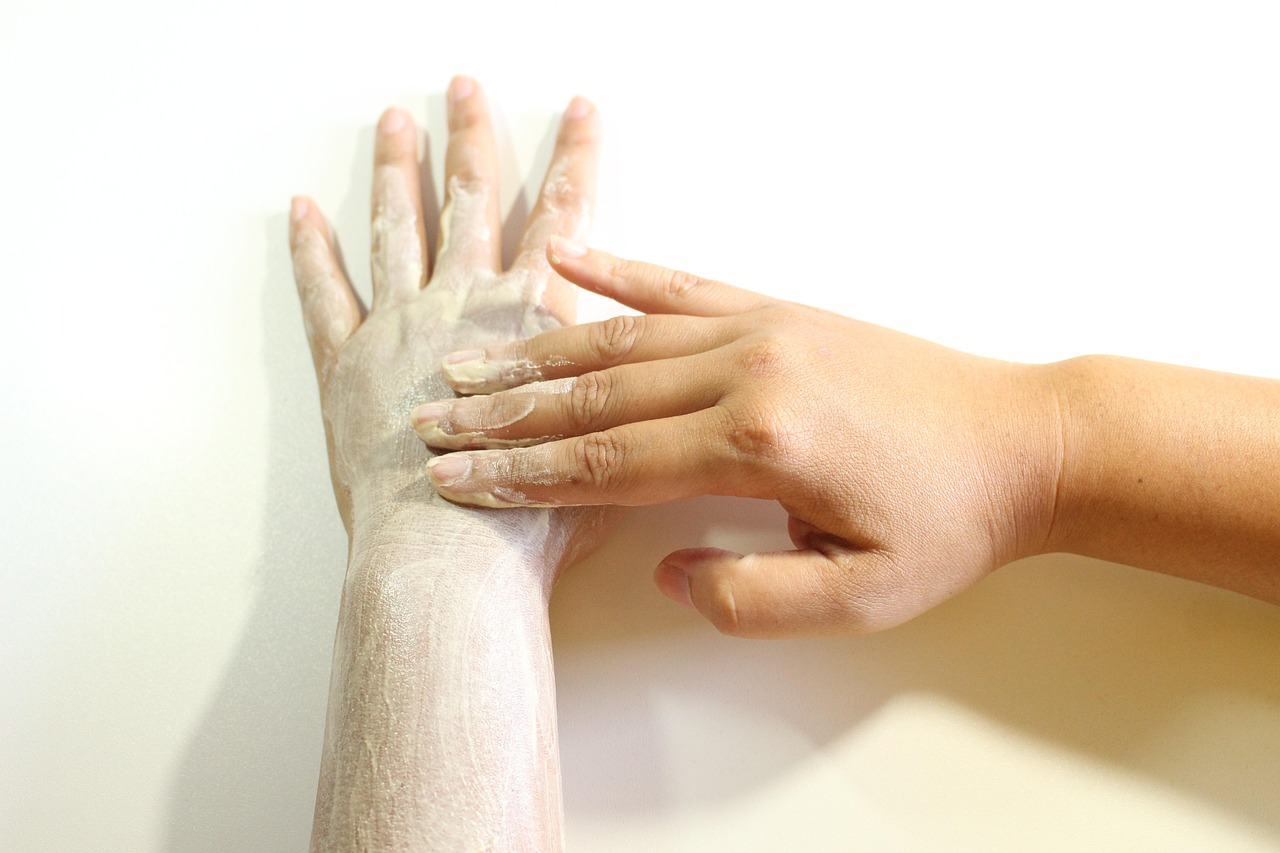
Most people put real effort into their face and leave their hands to fend for themselves. The irony is that hands are often the first place age actually shows. Age spots appear, veins and tendons stand out, and the skin starts to look thin and papery, and all of this tends to happen on the back of the hands before it ever shows up on the face.
The reason is simple. Your hands are out in the sun all day, rarely covered by clothing or sunscreen, while the layer of fat that used to pad out the skin thins faster there than almost anywhere else. So hand aging isn't caused by one single thing, it's several changes stacking on top of each other. Let's walk through the mechanics one at a time, then talk about what actually helps slow it down.
Why do the backs of the hands look older than the face?
The skin on the back of your hands is thinner than facial skin to begin with. And the collagen and elastin (the protein fibers that give skin its bounce and structure) sitting just beneath the surface tend to decline faster there as you age, compared to the face. So even at the same biological age, the change becomes visible on your hands first.
On top of that, your hands are actually exposed to sunlight for longer stretches during the day than your face is. Driving, walking, carrying groceries, your hands are almost always out in the open. Meanwhile, hardly anyone applies sunscreen to their hands as diligently as they do their face. That's more exposure paired with less protection, and that gap compounds quietly over the years, pushing visible hand aging ahead of facial aging.
What marks does UV leave on the hands?
Among the different wavelengths of UV, UVA (the type that reaches deep into the dermis) breaks down collagen slowly and silently, without ever producing a visible tan or burn. It even passes through glass to some degree, so sitting near a window without sunscreen doesn't fully protect you either.
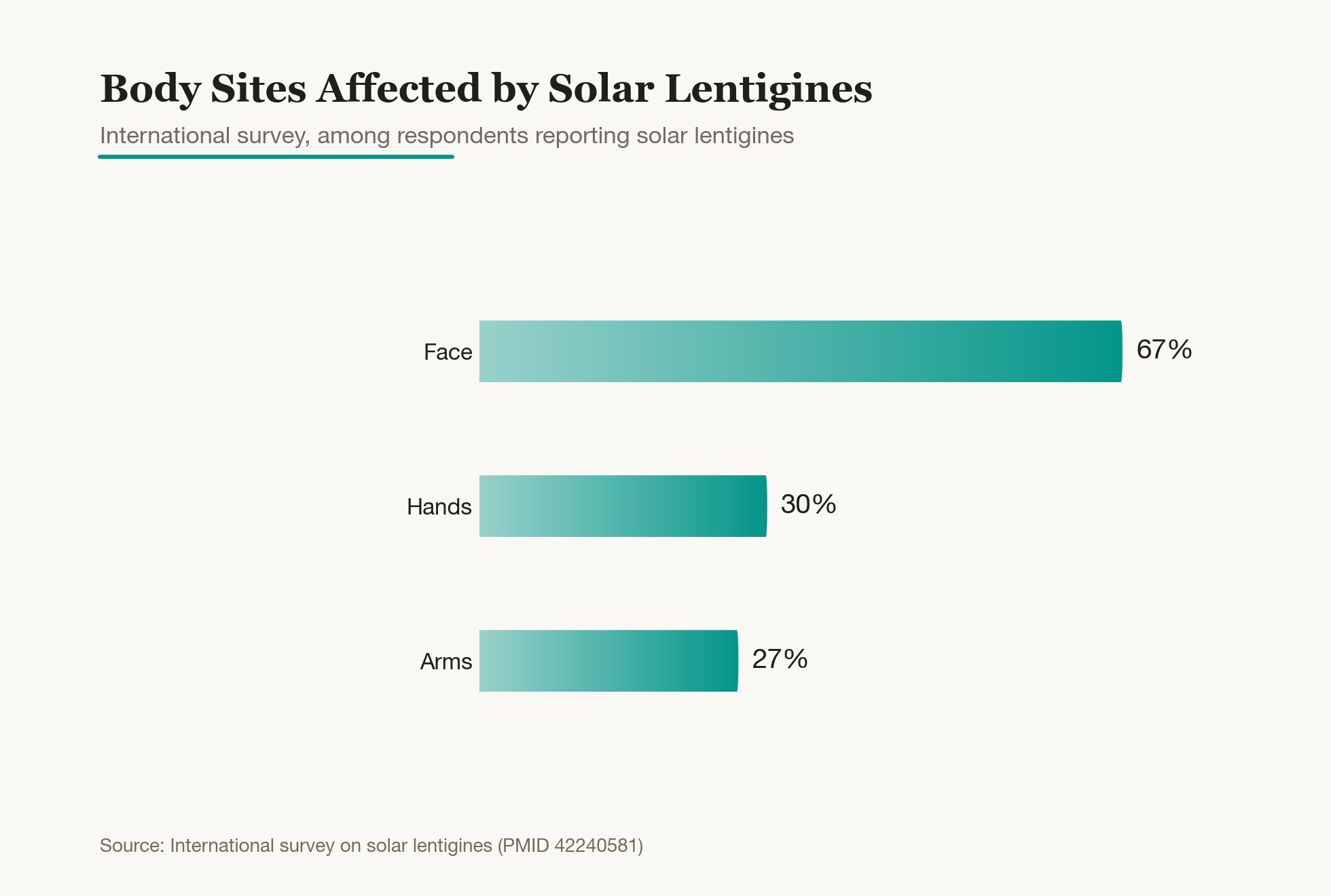
Years of this kind of exposure can overactivate melanocytes (the cells that produce your skin's pigment) in specific spots. The result is the brown patches commonly called age spots, known clinically as solar lentigines. They tend to cluster on the upper side of the hand, exactly where UV exposure has been heaviest, rather than spreading evenly across the skin. UVA also chips away at the compounds that help skin retain moisture along with collagen, which is part of why aging hands often look dry and thin overall.
Why do veins show through when the fat layer thins?
Underneath the skin on the back of your hand sits a naturally thin layer of fat that acts like a cushion. It covers the veins and tendons below and keeps the surface looking smooth. As you age, this layer gradually shrinks.
Once that fat thins out, the veins and tendons underneath become more visible. It's not that the veins themselves get bigger or that blood pressure rises, it's that the cushion covering them has thinned, so they simply show through more clearly. Think of it like a curtain getting thinner, the outline of whatever's behind it starts to come through. Add in the fact that collagen loss also thins the skin itself, and these two changes together give the hand a noticeably gaunter look. Hands are also a spot where fat doesn't come and go easily the way it does elsewhere on the body, so even if your weight stays exactly the same, that fat layer can keep thinning quietly with age.
How do brown spots form on the hands?
Beyond the solar lentigines mentioned above, hands can develop several other kinds of pigment changes. Post-inflammatory hyperpigmentation, temporary discoloration left behind after an injury or irritation, is also common. Since hands get bumped and scraped often, these marks tend to leave a visible trace.
The first step to reducing this kind of discoloration is blocking new irritation and sun exposure. Consistent sunscreen use helps keep existing spots from darkening further. And niacinamide is known to slow down the process by which melanin migrates toward the skin's surface, helping pigment fade before it fully settles in. For age spots that are already dark and well established, laser treatment is often the more effective route, but that falls outside home care, so it's worth getting a proper opinion from a dermatologist.
Ingredients worth putting on your hands
Hand care doesn't need to be complicated or involve a long routine. A handful of ingredients each help in their own specific way.
- Sunscreen (SPF): The single most basic defense against new pigmentation and ongoing collagen breakdown. It washes off every time you wash your hands, so it needs frequent reapplication to stay effective.
- Retinol: Known for speeding up skin cell turnover and stimulating collagen production, which is useful for thinning skin and fine lines. It can be irritating, though, so it's safer to start with a small amount.
- Niacinamide: Fades pigmentation while also strengthening the skin barrier (the outer layer that keeps moisture from escaping), making it a gentler option for hands that are already prone to dryness.
- Hyaluronic acid and ceramide: Both help skin hold onto moisture. Hands spend a lot of time in contact with water, which breaks down the moisture barrier easily, and these ingredients help rebuild it.
How often should you apply product to hands compared with the face?
A common question is whether facial cream can just double as hand cream. Ingredient-wise, the two aren't always that different. But hands get washed far more often than the face, and each wash means repeated contact with soap and water that strips the skin's barrier. That makes hands more prone to barrier breakdown, and means they need replenishing more often.
Hands are also constantly in use, touching and gripping things throughout the day, so any cream applied gets rubbed off quickly. Reapplying more often than you would on your face, especially right after washing your hands, often matters more than which specific product you use. Applying a slightly thicker layer before bed also helps cut down on the moisture lost overnight.
Treatments for what home care can't fix
Home care can go a long way toward managing pigmentation and dryness, but it can't restore volume to a fat layer that's already thinned. If prominent veins and tendons bother you, some people opt for filler treatments using hyaluronic acid or calcium hydroxylapatite to add volume back to the back of the hand. These treatments are known for requiring little to no downtime, so most people go straight back to their normal routine the same day. That said, how long results last varies by filler type, ranging anywhere from 6 to 24 months.
For age spots that are already dark, laser treatment that selectively targets the pigment is the more common approach. Since the right method depends on the specific area and condition, it's safer to get a dermatologist's opinion rather than self-diagnosing. In the end, the most natural approach to hand care is to build a solid foundation of sun protection and hydration first, then add treatments on top only as needed. Hands that have had consistent basic care tend to heal more smoothly and look more natural even after a treatment is added later.
References
Korean Dermatological Association, American Academy of Dermatology (AAD), and Ministry of Food and Drug Safety (MFDS).
Was this helpful?
About this article
Written by a practising aesthetic physician and intended for general education — not a substitute for individual medical advice.
Read next
Why Is My Scalp Oily? Causes, and Why It Gets Shiny Before the Face
The scalp packs in far more oil glands than the face, which is why it can look shiny within hours of a wash. Here is how male hormones and enzyme activity drive oil production, and how ingredients like salicylic acid and niacinamide each target a different part of that process, along with washing habits and in-clinic treatments worth knowing.
By Dr. Lee

Décolleté Aging: Causes, Care, Laser Treatment and Recovery Time
The décolleté has fewer oil glands and thinner skin than the face, so it takes UV damage harder and shows it sooner. Here's how collagen and elastic fibers break down first, why fine lines, discoloration, and broken capillaries settle in, and the sunscreen-to-retinoid-to-treatment routine that actually helps.
By Dr. Kim
Hand Filler Effects and Duration, Including Skin Boosters and Microneedling
Thin skin and constant sun exposure make the backs of your hands show age faster than your face. Here's how calcium hydroxylapatite filler restores lost volume, how skin boosters and microneedling improve texture, and how at-home care and results duration hold up, backed by real study data.
By Dr. Kim