Glutathione Whitening Injection Effects: Does It Really Make Skin Whiter?
By Dr. Kim8 min read
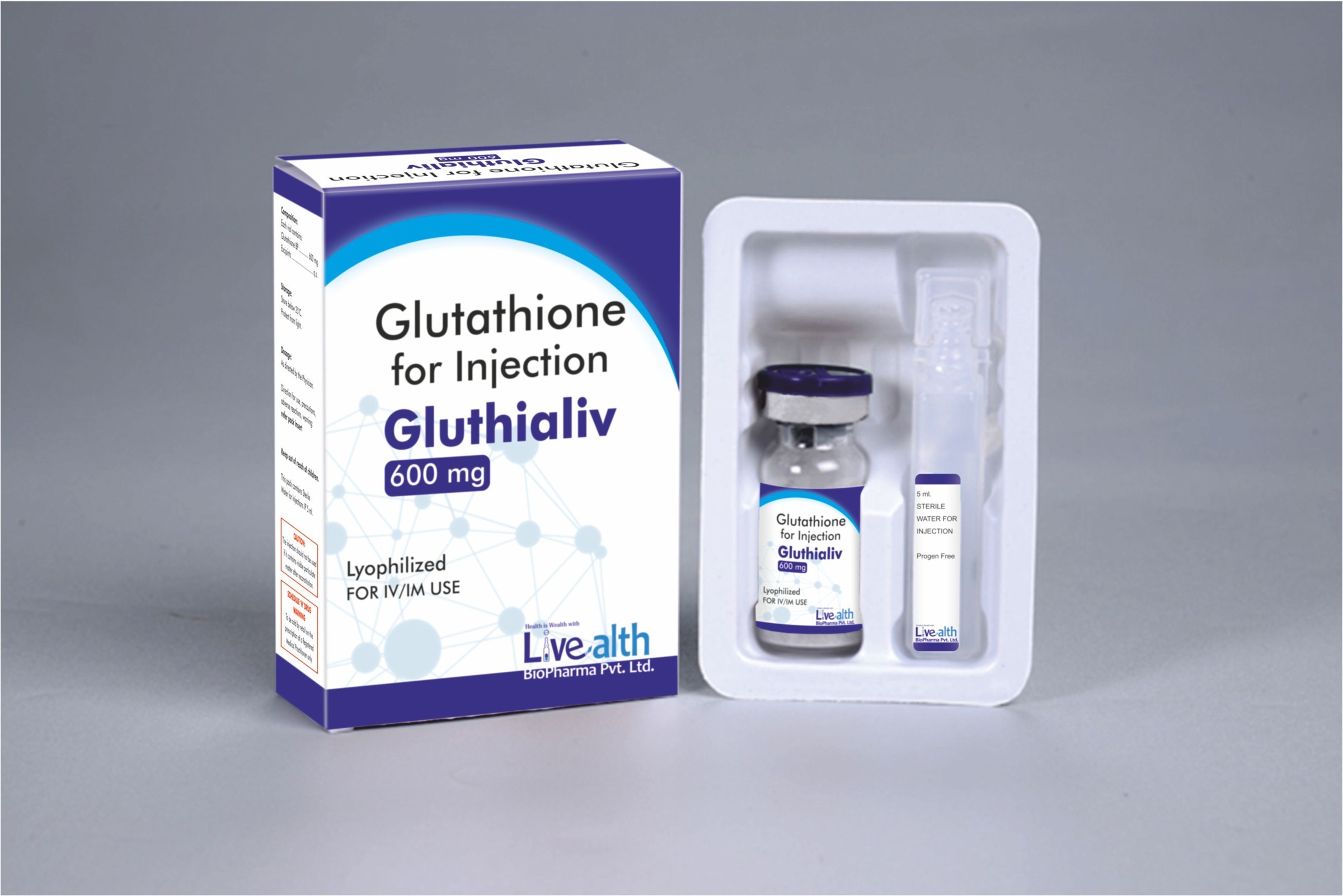
You have probably come across "whitening injections" on a clinic website or in a beauty forum at some point. Check the ingredient list and glutathione almost always shows up. Everyone talks about skin getting brighter, but the explanation for why that happens often gets glossed over.
Glutathione is not some exotic import. It is already made in your body, produced in the liver and doing work in cells throughout the body. Here we walk through what this molecule actually has to do with skin tone, whether injecting it really changes anything at the pathway level, and how far the evidence has actually been confirmed.
What is in a whitening injection?
"Whitening injection" is not the formal name of a single ingredient. It is more of an umbrella term for IV infusions built around glutathione, usually mixed with vitamin C and other additives.
Formulas vary from clinic to clinic, so it is worth confirming the exact ingredients and dosage before any treatment. The name may be consistent, but what is actually in the bag can differ quite a bit.
Glutathione injections were not originally developed for skin whitening at all. The compound has a long history in supporting liver function, easing side effects from cancer treatment, and assisting the body's detox processes. Patients receiving high-dose IV glutathione for these reasons were noticed to develop brighter skin along the way, and that observation is what's believed to have kicked off its use as a cosmetic treatment. In other words, a drug developed for one purpose ended up becoming famous for an unexpected side effect.
Melanin and tyrosinase, which create skin color
The biggest factor in determining skin tone is a pigment called melanin. Melanin is produced inside specialized cells called melanocytes, and the key player in that process is an enzyme called tyrosinase.
Think of an enzyme as a worker that triggers a specific chemical reaction in the body. Tyrosinase acts like the machine on a factory floor, taking an amino acid called tyrosine as raw material and assembling it into melanin. When this machine runs at full speed, more pigment builds up. When it slows down, pigment production drops too.
Why does skin color differ from person to person?
The reason skin tone differs between people ultimately comes down to melanin having two forms. There is eumelanin, which ranges from deep brown to nearly black, and pheomelanin, a lighter pigment with yellow or reddish undertones. The ratio between the two varies from person to person.
The switch that controls this ratio is a receptor gene called MC1R, essentially the control panel bolted onto the melanin factory. When the switch is flipped strongly on, the eumelanin production line runs hard. When it is pressed only lightly, the pheomelanin line runs relatively more. The fact that some people have naturally red hair paired with very fair skin is widely explained by inherited differences in this same gene.
Whitening injections are essentially aiming at something close to this same switch. They do not change your genes, but the idea is that glutathione steps into an intermediate stage of the enzyme reaction and nudges that switch slightly toward pheomelanin, which makes the rest of the explanation much easier to follow.
How does glutathione shift the direction of pigment?
Glutathione draws attention because some reports suggest it tilts the pigment production pathway away from eumelanin and toward pheomelanin. The proposed mechanism is that the sulfur group in glutathione binds to an intermediate compound in melanin synthesis, redirecting the reaction so that lighter pigment gets made instead of dark pigment. It is a bit like narrowing the channel for dark paint while widening the channel for light paint.
Digging a little deeper into why this might work: for tyrosinase to function, it needs a small component sitting right at its center, a copper ion. Like a key that has to fit a lock before a door will open, that copper ion has to be in place for the enzyme to do its job. According to one explanation, glutathione's sulfur group can attach itself near that copper ion site, keeping the enzyme from working at full capacity, similar to jamming something into a keyhole so the door sticks. This partial suppression of tyrosinase activity is described alongside the pigment-shifting effect above.
How does the antioxidant effect connect to whitening?
Glutathione is already well known as one of the body's major antioxidants. "Antioxidant" can sound like a technical term, but it is easier to picture as a cleanup crew clearing out rust-like debris that builds up inside cells.
Exposure to UV light or stress causes an unstable byproduct called free radicals to build up inside cells. These free radicals are known to stimulate a signaling pathway that tells melanocytes to ramp up pigment production. Much like a fire alarm sending trucks racing to the scene, a spike in free radicals sets off an alarm that pushes the pigment production line into overdrive.
The logic behind the antioxidant pathway is that if glutathione dials down that alarm in the first place, fewer trucks get sent out, meaning the signal driving pigment production quiets down too. This runs as a separate, second channel alongside the direct pathway shift described earlier.
Side effects discovered this way often get their mechanism explained by research that follows after the fact, but large studies designed from the start specifically to test whitening are relatively scarce. Keeping that in mind will help make sense of the evidence discussion later on.
How do injected and oral glutathione differ?
The same glutathione behaves differently in the body depending on whether it is delivered by IV or swallowed as a tablet or powder.
- The absorption route differs. Oral glutathione passes through the stomach and intestines, where a large portion gets broken down by digestive enzymes. An IV drip, by contrast, goes directly into the bloodstream, so far less is lost to breakdown.
- Blood concentration rises differently. An IV can push blood levels up quickly within a short window, while oral doses climb more gradually and tend to top out at a lower peak.
- Duration and repeat scheduling differ too. Either way, glutathione that enters the body eventually gets broken down and cleared, so neither method is a one-and-done fix. Both require repeated sessions over time.
Part of the reason oral supplements lose so much is the liver. Anything absorbed through the intestines does not go straight into general circulation. It passes through the liver first, where a substantial amount gets metabolized and filtered out. It is a bit like having to pay a toll at a tollbooth: the oral route has no choice but to pass through that booth, while an IV skips it entirely and heads straight to its destination.
Rather than declaring one method definitively better, it is more realistic to understand that the two routes simply take different paths through the body.
The 4 to 6 weeks before results show
Getting a whitening injection does not mean your skin tone changes by the next morning. Melanin already sitting in the skin has to travel up to the surface along with dead skin cells and shed off before it looks lighter, and this turnover cycle typically takes 4 to 6 weeks.
Picture skin as a conveyor belt. Even if less new melanin gets made at the bottom of the belt, the melanin already riding up toward the top still needs time to fully clear out. That is why it is realistic to track results over at least a month of consistent use before drawing conclusions.
How far has the evidence been confirmed?
This is the part that calls for a bit more caution. The pigment-shifting mechanism and antioxidant effect described above are based on observations from cell studies and a handful of small clinical trials. That does not mean the mechanism is baseless, but it does mean the evidence has real limits.
What remains less settled is how large the effect actually is, how long it lasts, and which skin types respond best, and there is not yet a broad, large-scale consensus on any of that. Studies vary widely in dosage, treatment duration, and how outcomes were measured, which makes it hard to combine the findings into one clear answer. It is also worth noting that well-designed studies on IV glutathione specifically are even scarcer than for oral formulations. Dermatology societies and regulatory agencies both in Korea and abroad have taken a cautious stance on whitening claims for exactly these reasons.
What level of effect to expect
The underlying idea that glutathione can influence the melanin pathway is reasonably well explained. But a mechanism being plausible is a different thing from everyone seeing a visible change.
How much of a difference someone notices can vary quite a bit depending on constitution, natural skin tone, and the dose and number of sessions. On the safety side, it is worth remembering that IV glutathione should always be administered under medical supervision at an appropriate dose.
References
Korean Dermatological Association, Ministry of Food and Drug Safety (MFDS), American Academy of Dermatology (AAD), and U.S. Food and Drug Administration (FDA).
Was this helpful?
About this article
Written by a practising aesthetic physician and intended for general education — not a substitute for individual medical advice.
Read next

Glutathione Whitening Injection Effects and Side Effects, and How It Differs From the Oral Form
A data-driven look at whether the baekok IV injection actually brightens skin, how the evidence stacks up across oral, topical, and intravenous glutathione, and what to check before getting the shot.
By Dr. Lee
Exosome Treatment Effects: How Are They Different From Stem Cells?
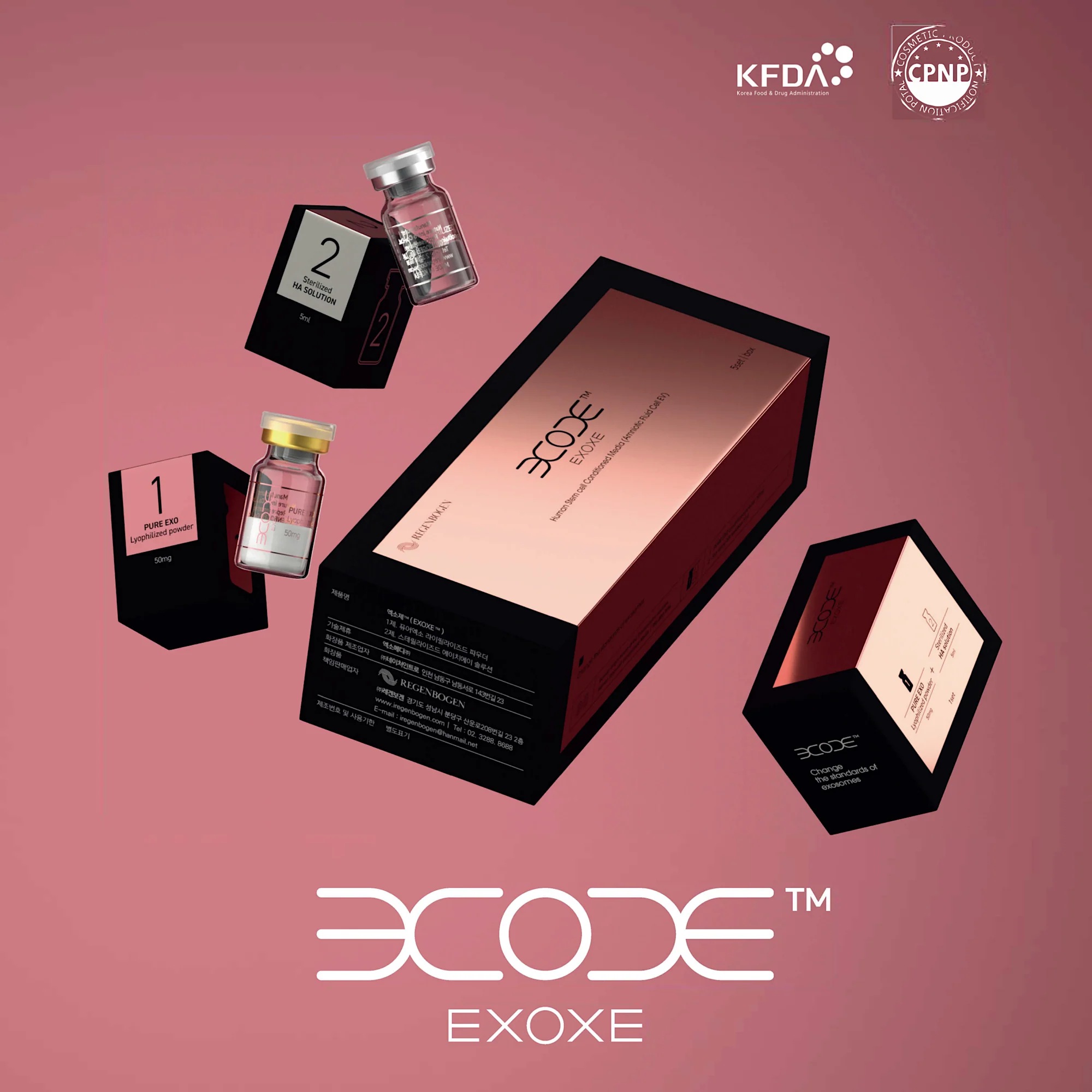
Exosomes are tiny signal packets that cells release into their surroundings, delivering only the messages a stem cell creates rather than the stem cell itself to the skin. Here is a plain look at how exosomes carry regeneration and calming signals, why clinics so often pair them with laser treatments, and how much evidence has actually built up so far.
By Dr. Kim

Titanium Lifting Effect and Limits, and How It Differs From Ultherapy and Thermage
What Soprano Titanium's triple-wavelength diode laser actually does for skin laxity, texture, and tone, with a clear-eyed look at the clinical evidence and its real limitations.
By Dr. Lee