GentleMax Pro Hair Removal: Alexandrite or Nd:YAG, Which One Is Right?
By Dr. Lee6 min read
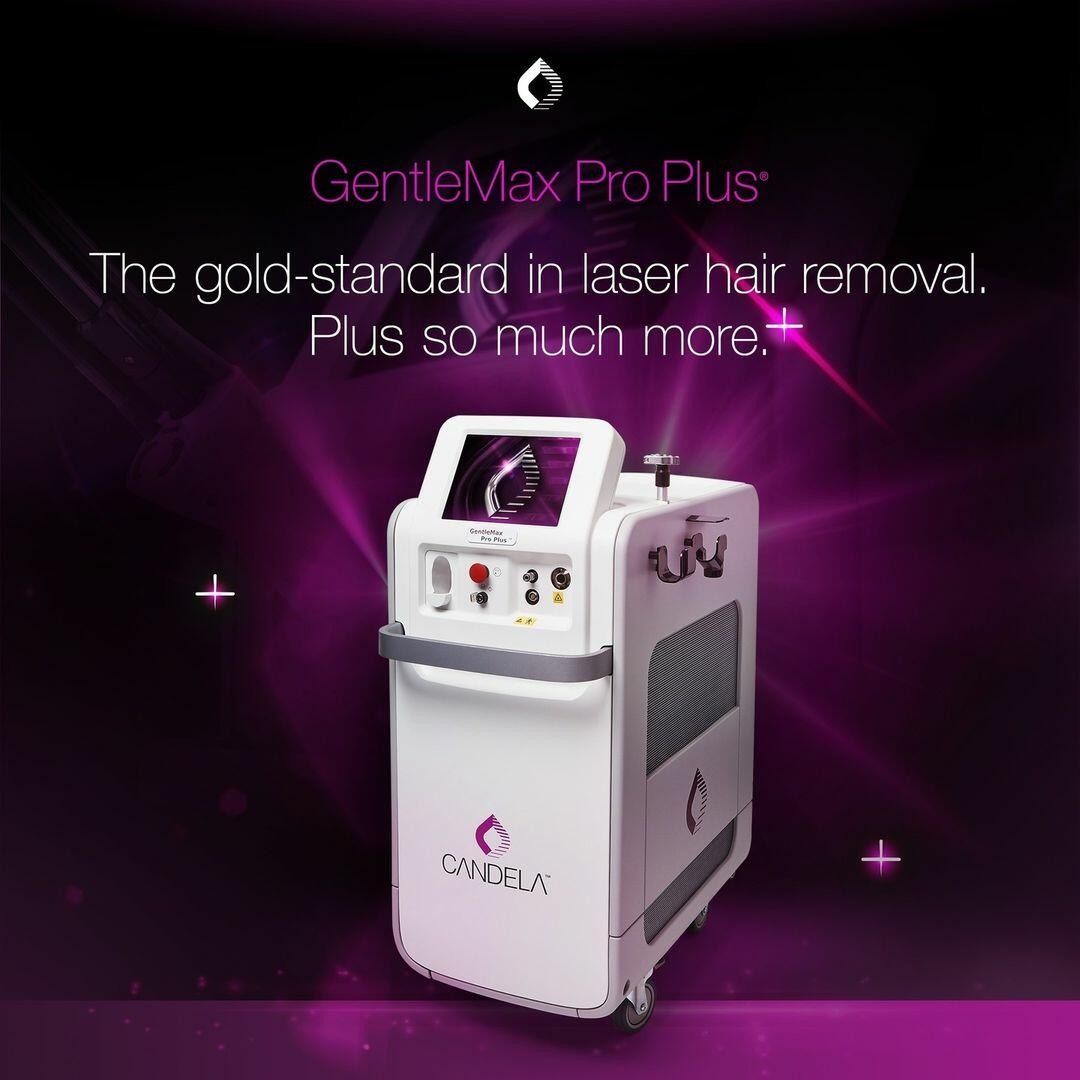
It is easy to assume all laser hair removal machines work the same way. In reality, each device uses a different wavelength of light, and that difference determines which skin tones and hair thicknesses it handles best. The GentleMax Pro tackles this problem not with one wavelength, but with two.
It houses an Alexandrite laser and an Nd:YAG laser in a single unit, switching between them depending on the situation. Why use two wavelengths instead of settling on one, and why is a cooling system always attached? Let us walk through the mechanics one piece at a time.
How does a hair removal laser target only the hair?
The basic principle behind laser hair removal is targeting color. Hair contains melanin, a dark pigment that absorbs certain wavelengths of light unusually well. Once melanin absorbs that light, it heats up instantly, and the heat travels down into the follicle that produces the hair.
What matters here is that the surrounding skin heats up far less. Because the pigment inside the hair absorbs so much more light than the skin does, the heat concentrates in the hair and follicle while the surrounding tissue stays relatively unaffected. It is similar to how a black shirt heats up faster than a white one under sunlight. This approach of targeting heat at a specific color is called selective photothermolysis.
Is alexandrite right for fine hair?
The Alexandrite laser inside the GentleMax Pro uses a 755 nanometer wavelength. This wavelength absorbs strongly into melanin, which makes it comparatively easy to trigger a response even in lighter, finer hair.
That is why Alexandrite often performs well in cases where other wavelengths struggle, such as light skin paired with faintly colored hair. That said, this wavelength also reacts somewhat with the melanin in the skin itself. The darker the skin tone, the more that skin absorbs heat alongside the hair, raising the risk of burns or pigment changes. For this reason, Alexandrite is generally considered safer for lighter skin.
Alexandrite also has a relatively short wavelength, so it tends to reach only the shallower layers of skin. That makes it well suited to catching fine peach fuzz sitting near the surface. On the other hand, thick hair with deep roots can feel underserved by this wavelength alone.
Is Nd:YAG safer for darker skin?
The Nd:YAG laser in the same machine runs at 1064 nanometers, considerably longer than Alexandrite. The longer the wavelength, the less it reacts with melanin at the skin's surface, and the deeper it can travel into the skin.
In practical terms, it passes over the surface of the skin and reaches down to the deeper layer where the follicle sits. Because it touches surface pigment relatively lightly, people with naturally darker skin can often be treated with a lower risk of burns or pigment side effects. This is why Nd:YAG is generally considered the safer choice for darker skin tones or skin tanned over the summer.
That said, because it travels deeper, its grip on melanin itself is weaker than Alexandrite's. It may respond less to very light, faint hair, while proving more effective for thick, dark hair or follicles sitting deep in the skin. Thicker hair carries more melanin, so it responds well to this wavelength even at greater depth.
Why are there two wavelengths?
A single wavelength cannot satisfy every combination of skin tone and hair thickness. Light skin with fine hair favors Alexandrite, while dark skin or thick hair tends to do better and more safely with Nd:YAG, so the advantage shifts depending on the case.
The GentleMax Pro puts both wavelengths into one device, letting the practitioner switch between them on the spot based on skin tone and hair condition. Since skin thickness and hair thickness vary even across different areas of the same person's body, practitioners sometimes mix wavelengths by treatment area. Covering a wider range of skin and hair combinations with a single machine is a big part of why this device is so widely used.
Choosing by skin tone and hair thickness
Applying the difference between the two wavelengths to real treatment gives a rough guideline. Light skin with fine hair tends to respond well to Alexandrite, while dark skin or thick, deeply rooted hair tends to respond more reliably to Nd:YAG.
Of course, real skin does not split neatly into two categories. The same person may have relatively light skin on the arms and legs alongside a darker underarm area, and skin tone can shift with the seasons. That is why practitioners assess skin color and hair condition by area at every session and adjust the balance between wavelengths accordingly. Not committing to a single fixed setting is the real practical advantage of this dual wavelength approach.
Why is a cooling system needed?
While the laser burns melanin, the heat does not stay confined to the follicle. Some of it reaches the surface of the skin, and left unchecked, that heat can lead to burns or stinging. This is why the GentleMax Pro comes with a built in dynamic cooling device.
Right before each laser pulse, this device sprays a brief burst of cold cooling mist onto the skin's surface. Lowering the surface temperature beforehand reduces the burden on the skin once the laser's heat arrives, and it eases pain as well. Think of it like wetting your hand with water before touching a hot pan, the water makes the heat feel less intense.
Why are multiple hair removal sessions needed?
Hair cycles through a growing phase, a resting phase, and a shedding phase. Laser responds best to hair that is in the active growing phase, since that is when melanin is most abundant and the follicle is most sensitive to heat.
The problem is that hair on different parts of the body moves through this cycle on its own schedule. So a single session only affects the hair that happened to be in its growing phase at the time, while resting hair is left untouched. Once that remaining hair eventually shifts into its growing phase, another session is needed to catch it. This is why hair removal is designed to happen in multiple sessions spaced apart over time.
What to do before and after treatment
Since the laser targets melanin, most of the care around it comes down to managing pigment in the skin.
- Avoiding tanning before treatment is recommended: if the skin itself has darkened, the laser reacts with the melanin on the skin's surface as well as in the hair, raising the risk of burns.
- The treatment area is often shaved beforehand: long hair sitting above the skin tends to burn first, producing heat and odor while scattering energy that should be reaching the follicle instead.
- Sun protection after treatment matters especially: skin that has just received heat is more sensitive to pigment changes, and exposure to UV light raises the chance of temporary discoloration.
- A plan for multiple spaced sessions is necessary: as explained above, since hair cycles differ by strand, a single session cannot trigger a response in every hair at once.
Keeping a few of these points in mind before and after treatment lets the two wavelengths do their respective jobs and deliver consistent results. Being able to switch wavelengths to match skin tone and hair condition is the biggest strength of a dual wavelength device like the GentleMax Pro.
References
Korean Dermatological Association, American Academy of Dermatology (AAD), and Ministry of Food and Drug Safety (MFDS).
Was this helpful?
About this article
Written by a practising aesthetic physician and intended for general education — not a substitute for individual medical advice.
Read next

Laser Hair Removal Sessions and Intervals: How Many Are Needed to Finish?
Laser hair removal doesn't wrap up in one or two visits, and here's why: it comes down to the growth cycle that alternates between an active growth phase and a resting phase. We'll walk through how many sessions each area typically needs and how the alexandrite and Nd:YAG wavelengths differ.
By Dr. Kim
Pigmentation After Laser Hair Removal: Why It Happens and How to Prevent It
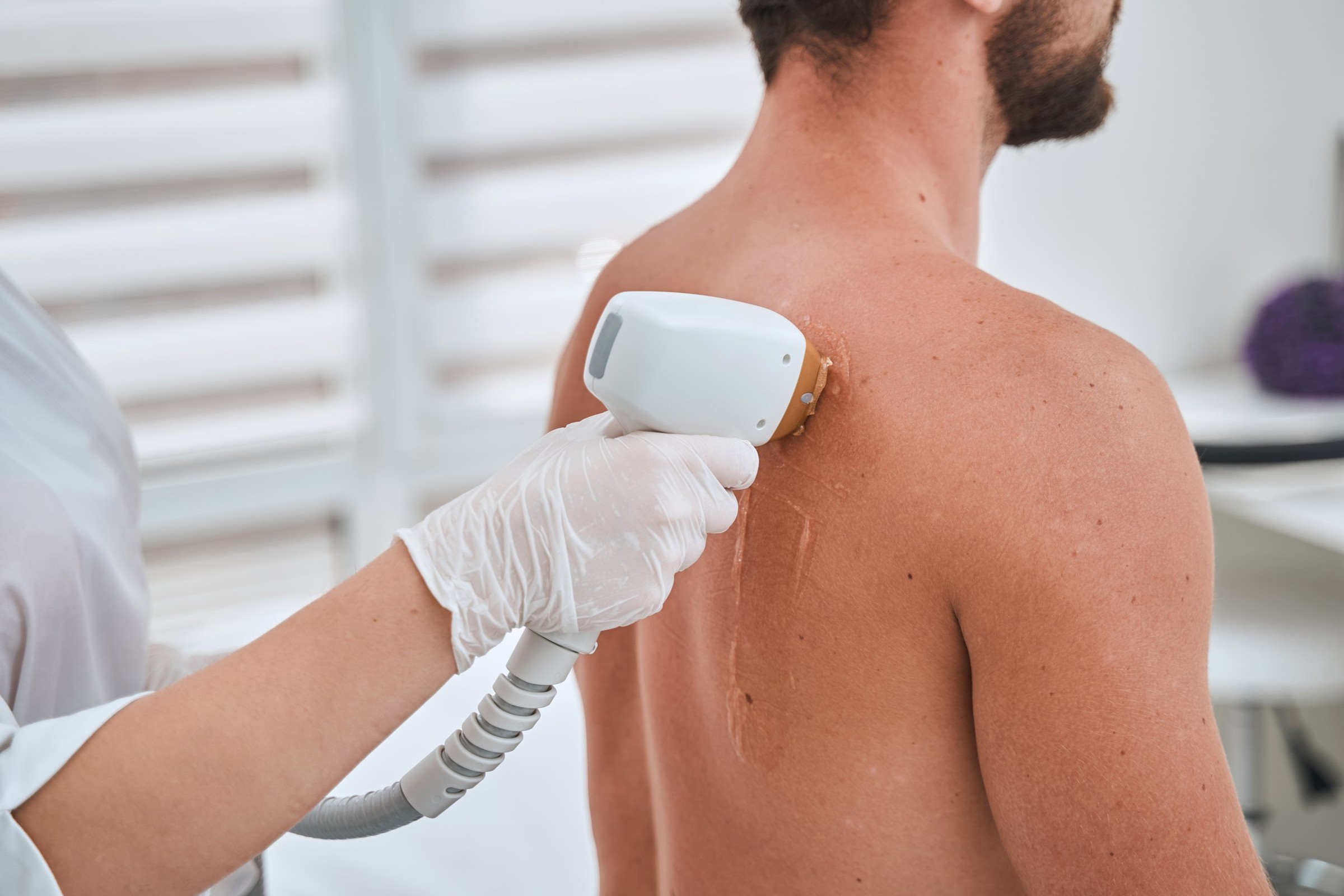
Laser hair removal works by using heat to destroy melanin inside the follicle, but when that heat spreads into the epidermis, it can leave a burn that later turns into hyperpigmentation. Here is why burn risk changes with skin tone, wavelength choice, and cooling method, along with ways to reduce it beforehand.
By Dr. Lee
Clarity II Toning: Effects, How It Works and the Difference Between 755 and 1064 Nanometers
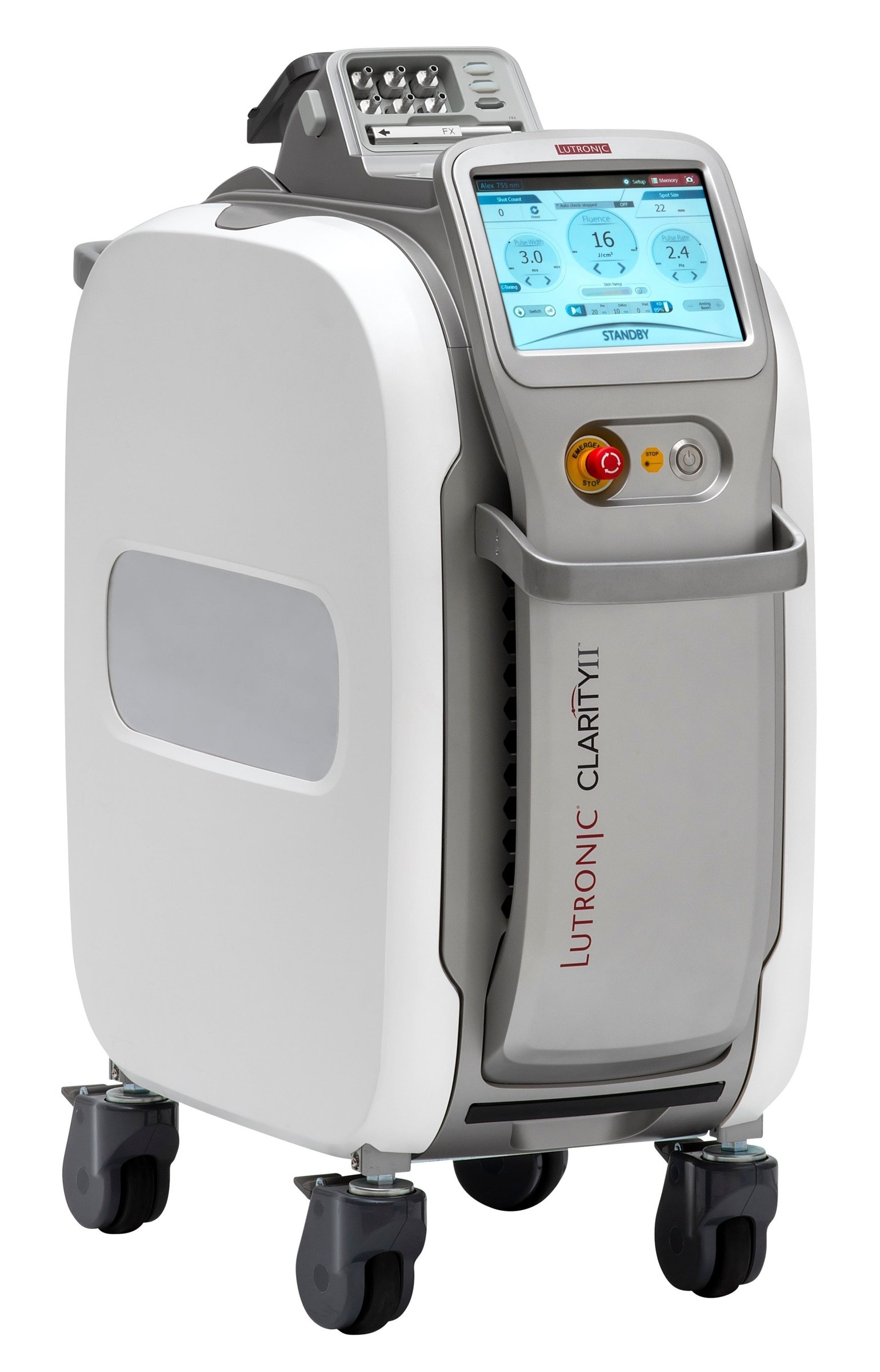
Clarity II toning pairs an alexandrite laser with an Nd:YAG laser in a single device, treating shallow spots and deeper melasma with two different approaches. Here is why two wavelengths are needed and how toning differs from a procedure that removes a mole.
By Dr. Kim