Double Chin Lifting: How Effective Is It and How Long Does It Last?
By Dr. Kim7 min read

A double chin can show up with age, but it can also appear young simply because of body type or posture. Most people assume it just means extra weight, but in reality it's usually a mix of fat under the chin, loss of skin elasticity, and a loosened fascia (the thin membrane wrapping the muscle). That's why double chin lifting rarely relies on one single approach. Fat and skin need to be addressed in different ways, often at the same time. Let's break down why a double chin forms and how lifting treatments actually target each cause.
Is a double chin caused only by fat?
There isn't just one reason a double chin forms. Fat is usually the first thing people think of. There's naturally a layer of fat under the skin of the chin, and when body weight goes up or someone simply has more fat cells to begin with, that layer thickens and the jawline starts to disappear.
The second factor is elasticity, both in the skin and in the fascia underneath it. As collagen and elastin decline with age, skin begins to sag, and the fascia under the chin loosens along with it. This is why the area under the chin can look loose even when the amount of fat hasn't actually changed.
The third factor is posture. Spending long hours looking down at a phone with the neck pushed forward can leave the muscles under the chin locked in a shortened position, blurring the line between chin and neck.
Since these three factors show up in different combinations from person to person, treating fat alone or tightening skin alone often isn't enough to get a satisfying result.
How does heat-based lifting pull up the jowls?
The two main tools used for double chin lifting are radiofrequency (RF) and high-intensity focused ultrasound (HIFU). They sound different, but both work by using heat to contract collagen in the skin and trigger the body to rebuild new collagen in that same spot.
Think of an egg white turning from a clear liquid into a firm white solid when heated. Collagen protein behaves similarly. Once it hits a certain temperature, its structure tightens and contracts right where the heat lands. That's why the jawline can look slightly more defined immediately after treatment.
At the same time, the body reads this heat as a small injury and switches on its repair response. Just like new skin forms after a cut, fibroblasts (the cells in skin that produce collagen) gather at the treated site and spend weeks to months laying down fresh collagen. So the real lifting effect tends to build gradually over the following months rather than showing up all on treatment day.
How are RF and ultrasound different?
Radiofrequency and ultrasound deliver heat in different ways. RF works by warming a broad area of the deeper skin layer (the dermis) all at once. The temperature is relatively modest, around 40 to 45 degrees Celsius, but it stimulates collagen across a wide surface at the same time.
Ultrasound, on the other hand, concentrates sound energy into a single point, similar to how a magnifying glass can focus sunlight to burn a hole in paper. At that tiny focal point, temperature can spike close to 60 to 70 degrees Celsius for a brief moment, while the surrounding tissue is barely affected.
What sets ultrasound apart is that this focal depth can be adjusted. It can reach not just the surface layers of skin but deeper structures like the fascia, which is one reason it's often recommended for areas like the chin where the fascia itself has loosened. In practice, many treatment plans combine both technologies or choose between them depending on the area and how much sagging is present.
How do fat cells under the chin shrink?
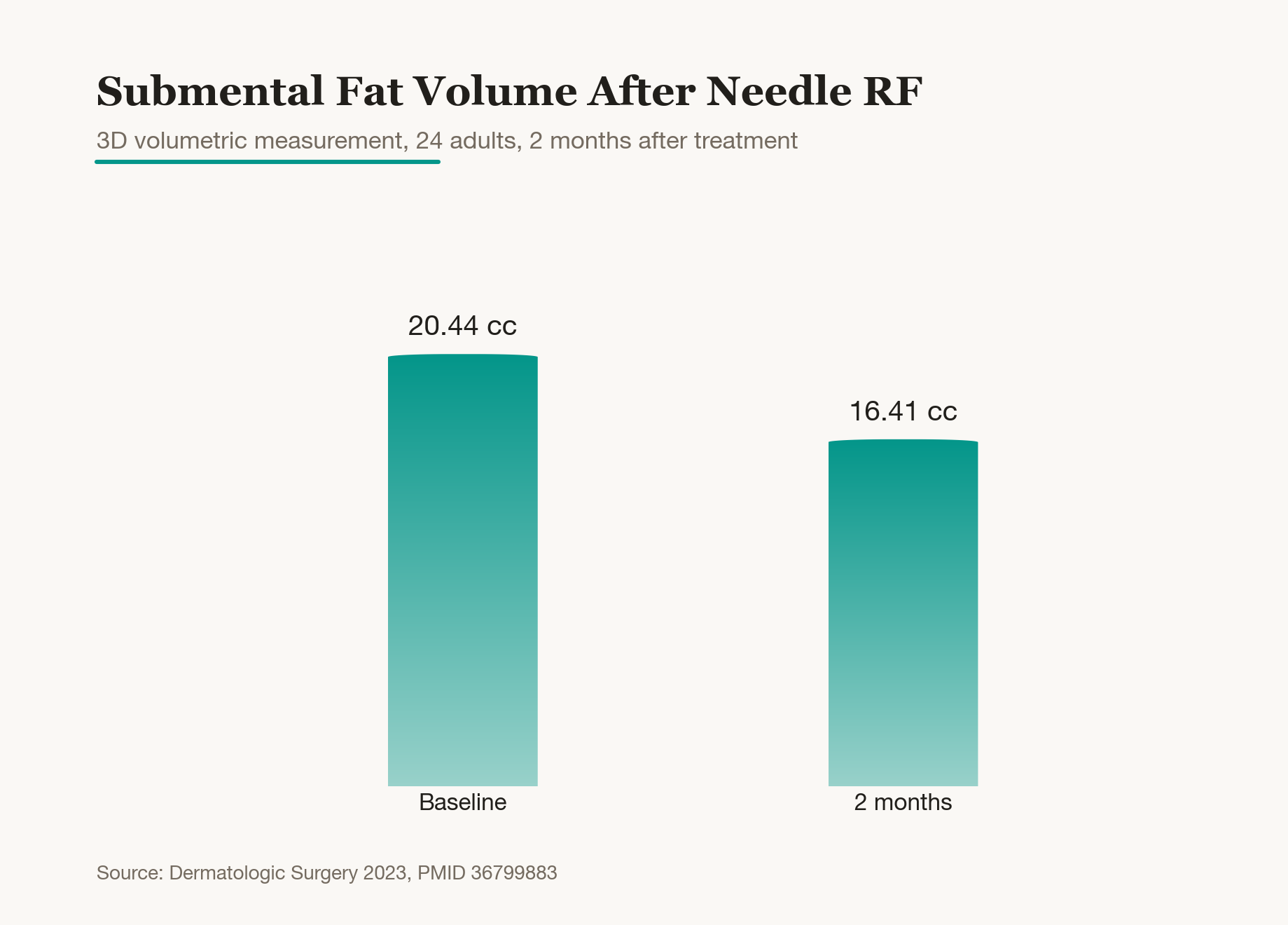
When there's a significant amount of fat built up under the chin, reducing the fat cells themselves is often considered alongside skin tightening. When the ultrasound focal point is set at the depth of the fat layer, that heat damages the fat cells' membranes and internal structure.
Damaged fat cells don't simply burst and vanish right away. Instead, they receive a signal that triggers a controlled, gradual breakdown, a process called apoptosis. It works much like the body's normal cleanup of old or damaged cells, a routine housekeeping process rather than anything dramatic.
The remains of the dead fat cells are then engulfed by the body's cleanup cells and gradually cleared out through the lymphatic system. Since this process takes several weeks, the visible reduction in fat tends to become more noticeable weeks to months after the actual treatment, not right away.
How long does it take for collagen to fill in after treatment?
The collagen that contracts from the initial heat doesn't just stay locked in that state. Over the following weeks, fibroblasts at the treated site become active and weave in new collagen fibers.
It's a bit like renovating a room, tearing down old wallpaper while putting up new wallpaper at the same time. Enzymes that clear out old or damaged collagen and the process that builds new collagen happen together during this window, gradually reweaving the tissue.
While this remodeling is underway, the skin slowly regains its own structural support. That's why the firmness right after treatment is mostly the immediate effect of heat-induced contraction, while the elasticity that shows up months later comes from newly built collagen settling into place. They're two separate changes happening on two different timelines.
How long does swelling last, and how long do results hold?
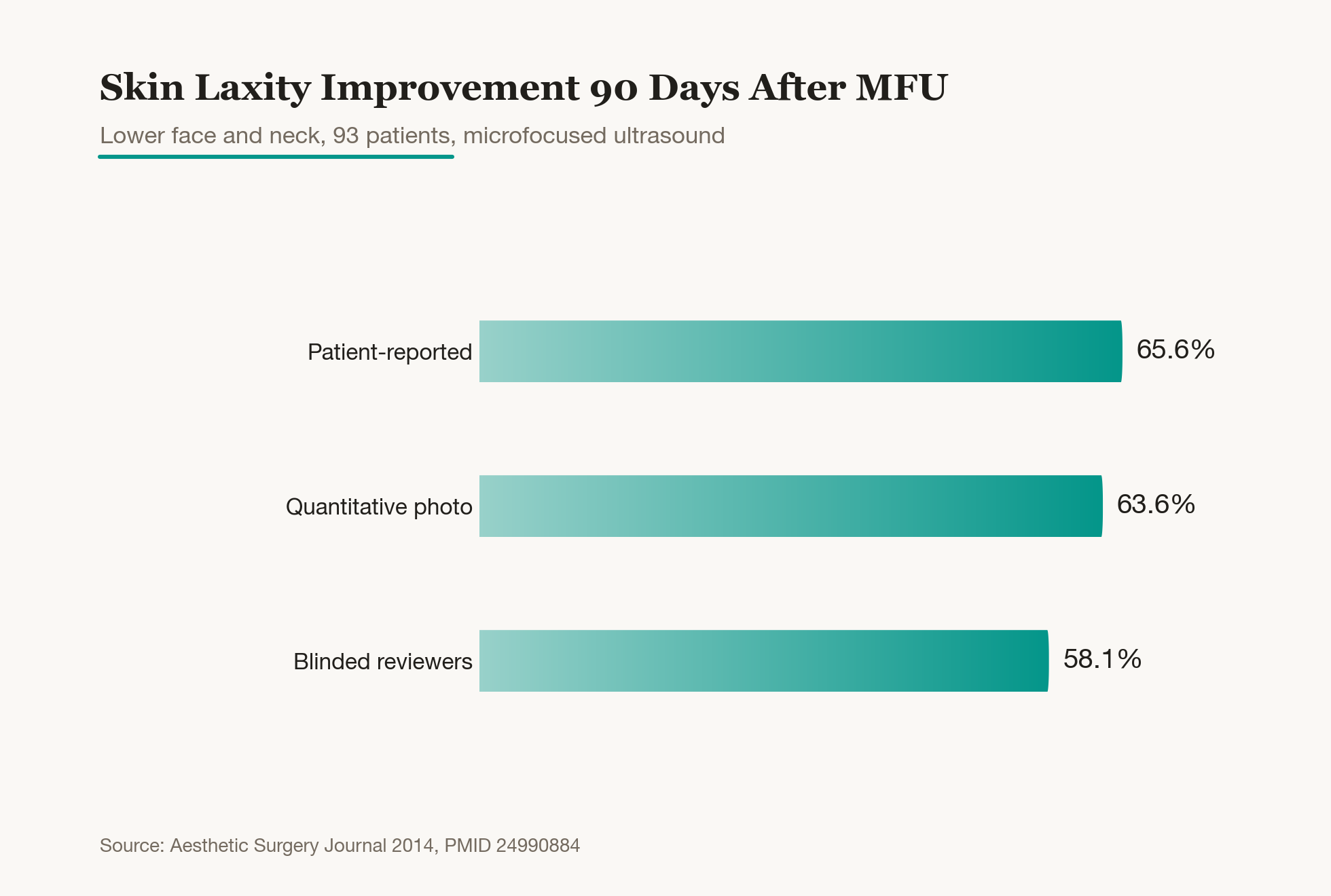
Because double chin lifting doesn't involve any large incisions like surgery, everyday recovery tends to be fairly quick. There can be some swelling and mild tightness for a few days right after treatment, but this is generally reported to settle down within about a week.
That said, the full process of rebuilding collagen takes much longer. Visible changes usually take about 4 to 12 weeks to fully develop, and some further gradual improvement has been reported even after that window. This is simply because the body's own pace of producing new collagen is naturally slow.
Several factors affect how long the results last.
- How much fat and sagging there was to begin with: The more fat and sagging present at baseline, the more dramatic the initial change tends to be, but the area may also start to sag again somewhat faster, since the underlying support structure was already weaker.
- Age and the skin's own collagen-producing capacity: Younger skin tends to have more active fibroblasts, so it produces new collagen more efficiently. This response naturally slows with age.
- Weight changes: If weight goes back up after treatment, the number of fat cells stays the same, but each individual cell can expand again, allowing the area under the chin to fill back out.
- Sun exposure and daily habits: UV exposure speeds up the breakdown of newly formed collagen, so how well someone protects their skin afterward can meaningfully affect how long results last.
For these reasons, results from double chin lifting are often reported to last on average somewhere between 6 and 12 months, though this range varies quite a bit from person to person.
Aftercare following treatment
The main goal of aftercare is simply not to interfere while collagen is settling into place.
- For about 1 to 2 weeks after treatment, it's recommended to avoid heat-heavy environments like saunas or steam rooms. Heat can cause tissue to swell and loosen, which may disrupt collagen that's still in the process of forming.
- Vigorous rubbing or massaging of the treated area is best avoided during recovery. Newly forming collagen fibers aren't fully firm yet, and strong pressure can disturb how they line up.
- Consistent sun protection helps a great deal. UV exposure ramps up the enzymes that break down collagen, which can shorten the lifespan of all that newly built collagen.
- While swelling is present, staying well hydrated and getting enough rest is generally recommended to support recovery.
Sticking to this kind of aftercare lets the collagen-building process continue undisturbed and settle in naturally.
References
Korean Dermatological Association, American Academy of Dermatology (AAD), and Ministry of Food and Drug Safety (MFDS).
Was this helpful?
About this article
Written by a practising aesthetic physician and intended for general education — not a substitute for individual medical advice.
Read next

Xerf Radiofrequency Effect: What's Different About Using Two Frequencies Together?
Xerf is a radiofrequency lifting device that uses two different frequencies at once to stimulate both the shallow dermis and the deeper fascia layer. This article walks through the mechanism, from why heat reaches different depths depending on frequency, to collagen's immediate contraction and its longer remodeling process, plus the recommended number of sessions and how long results tend to last.
By Dr. Kim
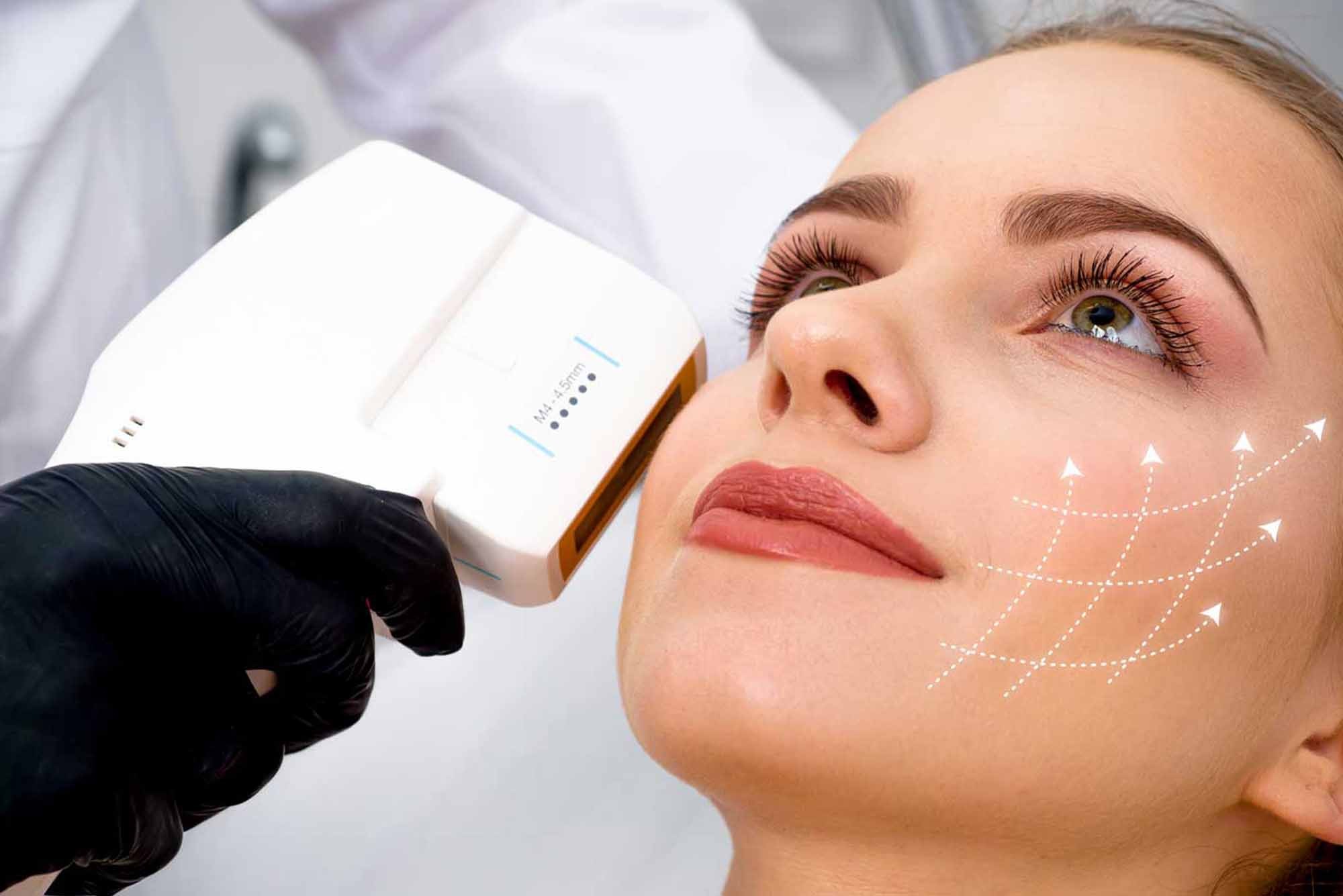
Radiofrequency and Ultrasound Lifting: Differences, Results, and How Long They Last
Radiofrequency uses resistive heat from electrical current to warm the dermis and stimulate collagen, while ultrasound focuses energy into a single point that reaches the deeper SMAS layer. Here's why these two devices target different depths, and what that means for how long results last.
By Dr. Lee
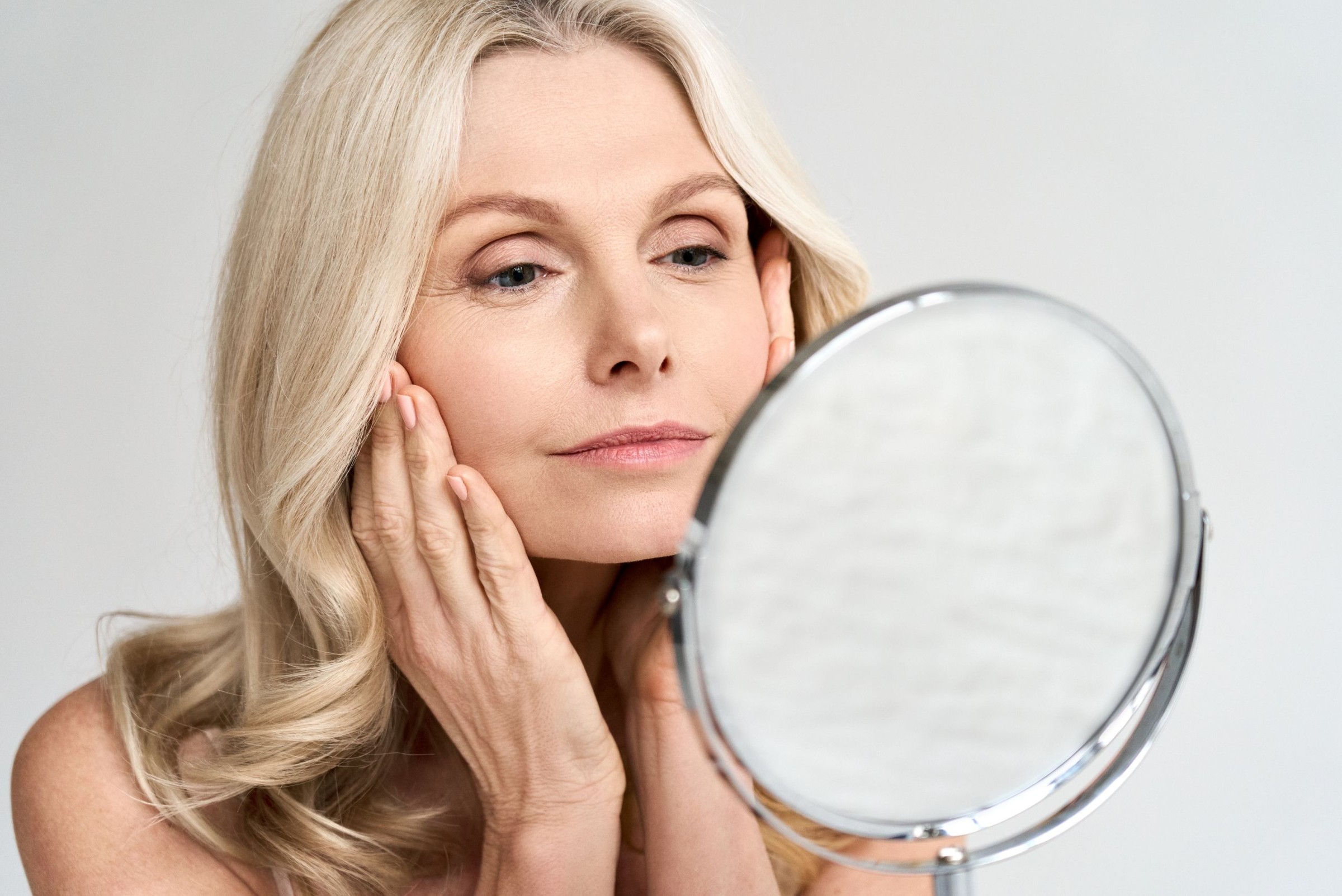
Marionette Line Filler: Results, How Long It Lasts, and Combining With Botox
Marionette lines running from the corners of the mouth down toward the jaw form when the supporting ligaments loosen, the fat pad sags, and the muscle pulling down on the mouth corners adds to the strain. HA filler works by rebuilding this collapsed structure from the inside out, restoring lost volume layer by layer. Here's a look at recovery time, how long results last, and why Botox is often paired with it.
By Dr. Kim