Combination Treatments: Effects, How They Work, Order and Precautions
By Dr. Kim6 min read
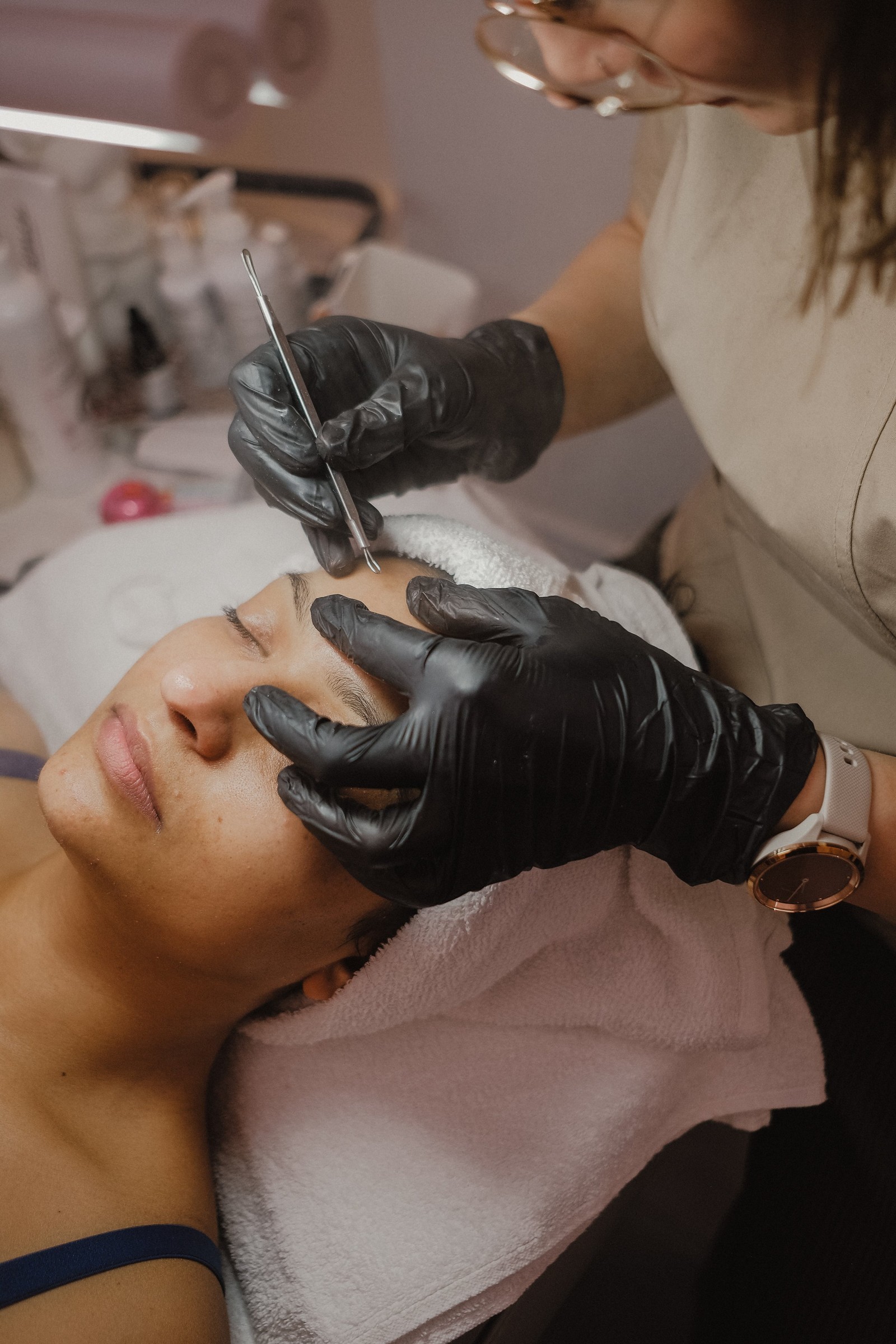
Walk into most dermatology or plastic surgery consultations and you are more likely to hear a recommendation for a combination treatment, boosters, lasers, and lifting bundled together, than a single procedure on its own. At first, being told to get three things at once can sound like a sales pitch.
In practice, though, each treatment works on a different layer and a different problem. Boosters target moisture and collagen deep in the skin, lasers work on the surface texture and tone, and lifting addresses the deeper structures that hold the face up. Because the layers are different, doing only one leaves the others untouched. So here is how the reasoning behind combining all three actually works.
What is a combination treatment?
A combination treatment simply means getting several procedures that work through different mechanisms, either on the same day or spaced a short time apart. A common example is a skin booster injection, laser toning, and radiofrequency or ultrasound lifting, all done in sequence during a single visit.
The reason these three are kept separate in the first place is that each one is aimed at a different goal. Boosters mainly address hydration and elasticity, lasers target pigmentation and pores, and lifting handles sagging and contour. Most faces deal with all three concerns at once, because as skin ages it tends to dry out, lose its brightness, and sag at the same time. That makes it hard for a single treatment to cover all three issues on its own.
For instance, it is common to hear that after several rounds of lifting alone, the contour has improved but the skin still looks dull and dry. That is because lifting is effective for sagging but was never designed to address pigmentation or lack of moisture. The reverse also happens: skin tone brightens after repeated laser sessions, while the cheeks or jawline remain just as loose. Whichever treatment is chosen, the problems in the layers it was not designed for tend to stay put.
Hydration and elasticity that boosters provide
A booster involves injecting substances such as hyaluronic acid or polynucleotides (PN, known for supporting tissue repair) in fine amounts into the dermis. The dermis is the layer that stores collagen and moisture, sitting just below the outer skin surface.
The injected material draws in moisture on its own, which is what gives the skin a plumper, more hydrated look. The fine needle punctures are also thought to stimulate fibroblasts, the cells that produce collagen. It works something like slowly adding water to a dry sponge until it swells. Because a booster is centered on restoring volume and elasticity, though, it does little for surface pigmentation, pores, or deeper sagging.
What do lasers handle: color and texture?
A laser operates on a different layer and through a different mechanism than a booster. Laser light is absorbed by melanin, blood vessels, or water molecules in the skin, generating heat that breaks down old pigment or creates microscopic damage that triggers a regenerative response.
In response, the skin begins to heal the way it would after any minor injury. During that healing process, new collagen forms and pores and fine lines gradually improve. In short, a laser reaches the surface color and texture as well as elasticity in the shallower layers. On its own, though, a laser cannot resolve overall facial sagging or deeper volume loss.
Which layer does lifting work on?
Lifting targets a much deeper layer than either boosters or lasers. Ultrasound or radiofrequency lifting delivers heat down to the fascia (the thin membrane that wraps around the muscle), tightening the tissue there and encouraging new collagen to settle in over time.
The fascia works much like the poles of a tent that hold everything up from underneath. When the poles loosen, the fabric draped over them, in this case the skin, sags along with it. That makes lifting the most direct approach for addressing contour and sagging. On its own, though, lifting does nothing for surface pigmentation, texture, or lack of moisture.
How do effects connect when layers differ?
At this point the logic follows naturally. Boosters handle hydration and shallow elasticity, lasers handle surface color and texture, and lifting handles sagging in the deeper layers. Since the three cover separate territory, doing them together means several layers of the face are being addressed at the same time.
All three also rely on the same underlying mechanism: triggering the skin's own repair response to generate new collagen. A booster does it through needle stimulation, a laser through controlled heat damage, and lifting through fascia contraction, each in its own way. When repair responses fire off in different layers at once, the regenerative activity across the whole face overlaps, which is thought to make the overall change feel more noticeable. That said, this describes how each treatment's individual effect adds up, not a multiplier where combining the three makes the outcome several times stronger.
How is the treatment order decided?
Combination treatments are not done in a random order. Heat-based procedures such as lasers or lifting are usually done first, with the booster injection following either afterward or on a separate day. There is a reason behind this sequence.
- Why heat-based treatments come first: Right after a laser or lifting session delivers microscopic heat to the skin, the skin barrier becomes temporarily more sensitive. Adding needle stimulation on top of that can compound swelling or irritation, so spacing the two out is considered the safer approach.
- Why the booster comes later: Once the heat has already triggered a repair response, adding booster ingredients on top of it is thought to deliver hydration and nutrients directly into tissue that is already in recovery mode. That said, protocols vary by clinic, so this should ultimately follow the judgment of the treating physician.
- Why deep lifting and shallower treatments are kept apart: Because lifting works on a deeper layer, swelling and recovery tend to take longer. Pairing it with an intense laser session on the same day can overlap the recovery periods, extending swelling and irritation. For that reason, more intense procedures are often spaced out rather than done together.
Precautions after having several treatments
After receiving all three at once, the skin is more likely to be sensitive than it would be after a single treatment, simply because a repair response is happening across multiple layers at the same time.
For the first few days afterward, sun protection is generally recommended to be more careful than usual, since newly forming collagen and healing tissue are considered more vulnerable to UV exposure. Massages, saunas, and anything involving heat or pressure are usually best postponed for a few days as well, since added stimulation to tissue that is still recovering can prolong swelling or disrupt results that are still settling in.
Because recovery times can differ between the individual procedures in a combination treatment, discussing the full schedule with the treating physician ahead of time tends to make aftercare easier to manage. Swelling and redness from each procedure typically resolve at different speeds, so knowing the expected range in advance helps avoid unnecessary worry during recovery. Getting enough sleep and staying hydrated are also considered helpful for keeping the repair process on track.
References
Korean Dermatological Association, American Academy of Dermatology (AAD), and Ministry of Food and Drug Safety (MFDS).
Was this helpful?
About this article
Written by a practising aesthetic physician and intended for general education — not a substitute for individual medical advice.
Read next
Exosome Treatment Effects: How Are They Different From Stem Cells?
Exosomes are tiny signal packets that cells release into their surroundings, delivering only the messages a stem cell creates rather than the stem cell itself to the skin. Here is a plain look at how exosomes carry regeneration and calming signals, why clinics so often pair them with laser treatments, and how much evidence has actually built up so far.
By Dr. Kim

Tiny Facial Bumps: How to Tell Flat Warts, Milia and Skin Tags Apart, and How to Treat Them
The small bumps that show up on the face can look alike, but flat warts, milia, and skin tags have different causes and different treatments. Here is how to tell the three apart at a glance, the right CO2 and Er:YAG laser or electrocautery approach for each, how common they are, how they tend to recur, and real evidence on why removing them at home is risky.
By Dr. Lee
Eye Shurink, Eye Thermage and Eye Oligio: Differences and Effects Compared
Eye Shurink, Eye Thermage and Eye Oligio are the three names that come up most often for eye area lifting, and they work through two different kinds of energy: ultrasound and radiofrequency. Here is how each one actually works on the delicate skin around the eyes, and which one fits which concern.
By Dr. Lee