Four Causes of Sagging Cheeks: Ligaments, Fat, Bone and Skin Elasticity
By Dr. Lee7 min read
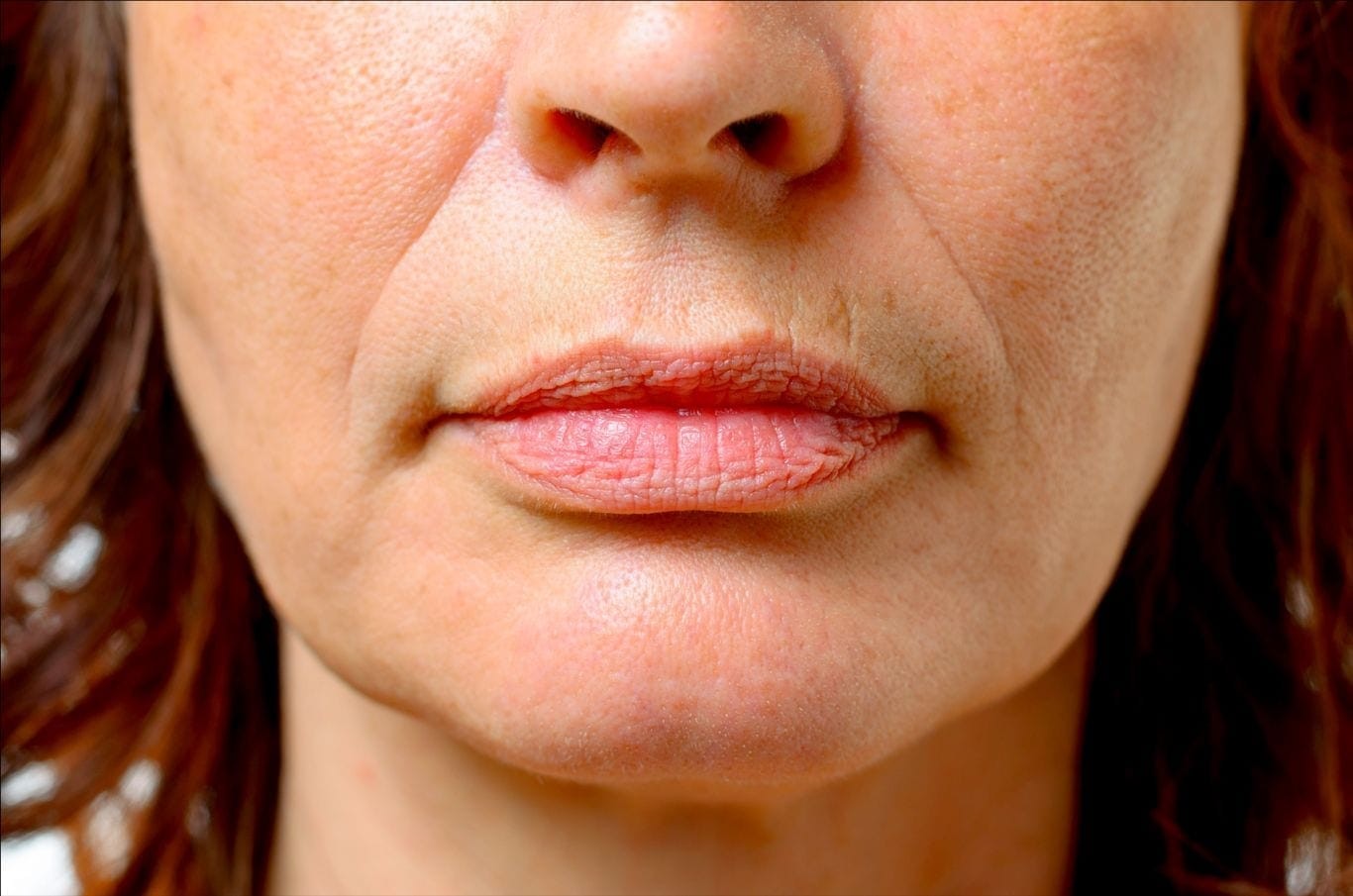
Sagging cheeks rarely come down to a single cause. As we age, at least four changes happen inside the face at the same time. Bone gradually recedes, fat drifts downward, the ligaments holding tissue in place loosen, and the skin itself loses elasticity. These four changes mix in different proportions from person to person, which is why no two faces sag in exactly the same way. That also means cheek sagging isn't solved by one procedure alone. The first step is figuring out which of these changes is playing the biggest role in your own face.
Why do sagging cheeks get worse with age?
Put a 20-something's face next to a 40-something's, and the difference in cheek sagging is obvious. Over time, the structures that once held the face up start to weaken, one by one. Bone, fat, ligaments, and skin all change at their own pace.
Bone begins its slow decline starting in the 30s. Fat and ligament changes tend to become noticeable after 40. Skin elasticity, meanwhile, declines at a rate that depends heavily on sun exposure and lifestyle. As all four changes accumulate together, the result reads as "sagging cheeks." That's also why addressing only one cause often leaves the sagging from the others still visible.
How do loosened ligaments make cheeks sag?
Underneath the skin of the face, several thin fibrous bands anchor the skin and fascia to the underlying bone. These are called the retaining ligaments. Think of them like the ropes that hold a tent's canvas taut. When the ropes are tight, the fabric stays smooth. Once they loosen, the fabric sags and ripples.
The retaining ligaments work the same way. In youth, they hold tissue firmly in place, but decades of facial movement and gravity gradually stretch them out. Once they loosen, the fat and skin they used to anchor are no longer held up, and they slide downward. This is especially noticeable when the ligaments running below the cheekbone loosen, which produces one of the most recognizable sagging patterns: cheek tissue appearing to flow down toward the jawline.
Why does cheek fat move downward?
The cheek contains several layers of fat, and in youth this fat sits in a rounded pad centered around the cheekbone, known as the malar fat pad. Ligaments hold this fat pad in its higher position when we're young, but as those ligaments stretch and gravity keeps pulling, the fat slowly slides down.
A separate factor adds to this: total fat volume also shifts with age. Some areas of the face lose fat while others, lower down, gain it, and this imbalance is what creates the look of both sunken cheeks and a heavier lower face. The fat isn't disappearing so much as relocating, which is why it's common to see cheeks looking hollow while the area around the jawline looks fuller.
What changes in the cheeks when bone shrinks?
The deepest structure holding up the face is bone. Bone isn't a fixed shape for life. It's constantly being broken down and rebuilt in a slow, ongoing cycle. With age, this balance tips, and more bone is resorbed than replaced, so bone volume gradually shrinks.
The cheekbone and upper jaw are particularly affected by this shift. As the bone underneath recedes, the fat and skin sitting on top lose their support and sink inward. It's similar to what happens when a building's foundation weakens, the structure above it slowly starts to shift and tilt. Bone loss isn't something you can see directly, but it's one of the quiet, long-running causes behind cheek sagging.
Why does skin elasticity decline?
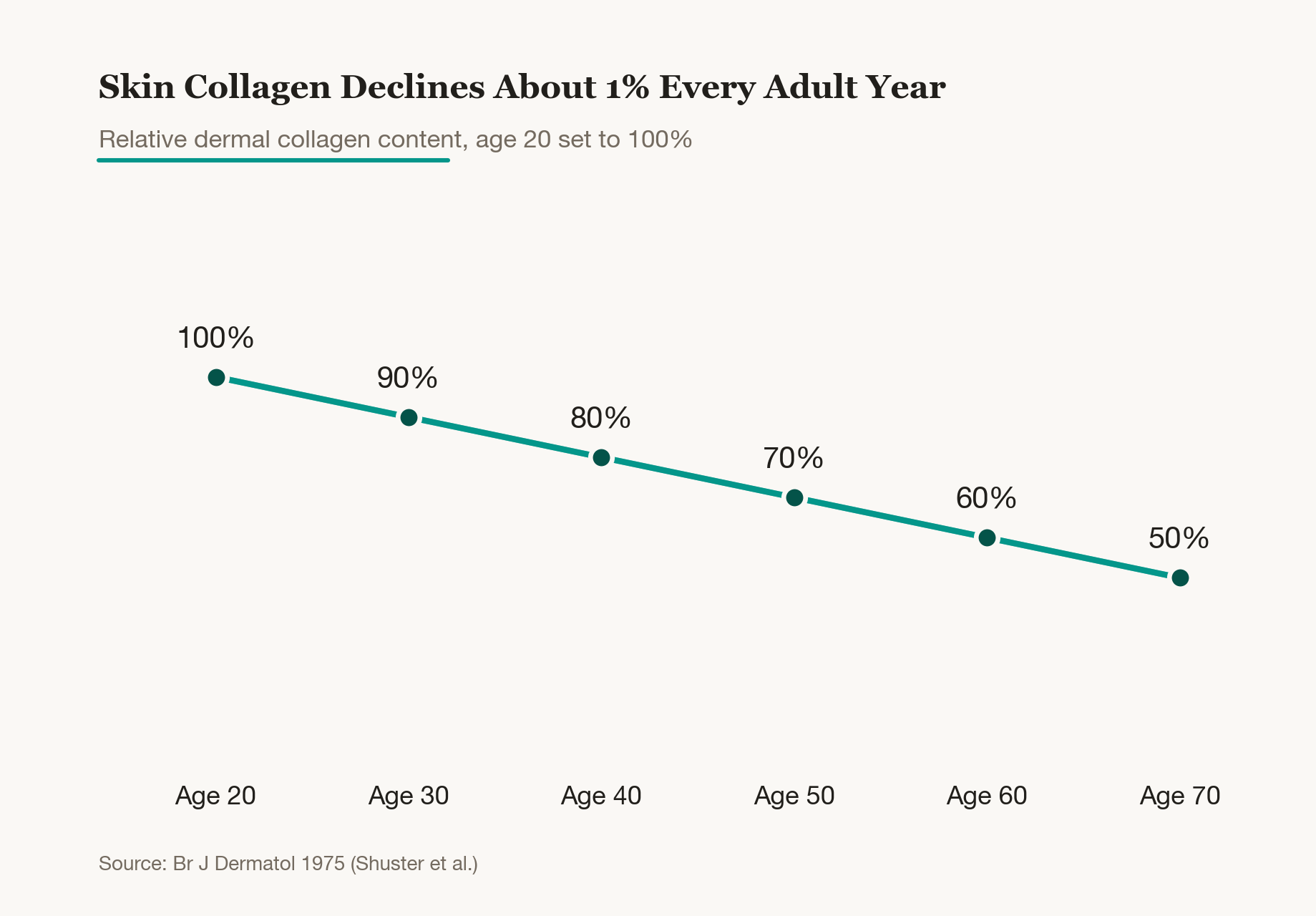
The three causes above all involve structures inside the face. The last one is different: it's about the skin itself. Collagen and elastin, the proteins that give skin its elasticity and let it snap back into place after stretching, are produced less and broken down faster as we age.
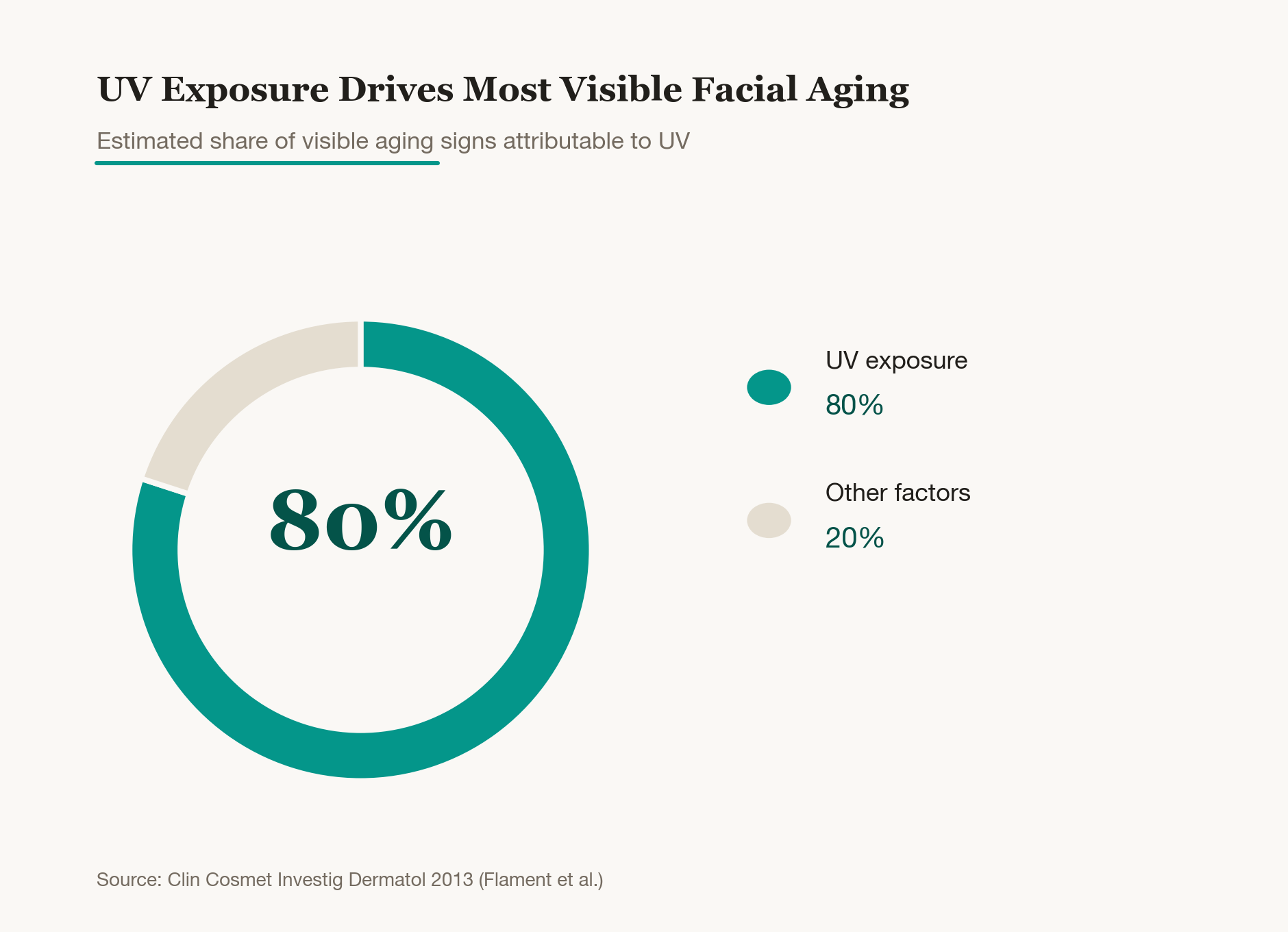
UV exposure is one of the biggest accelerators of this process. It's understood to increase the enzymes that break down collagen in the skin, so the more sun exposure someone has had, the faster their skin elasticity tends to decline. This is part of why skincare containing ingredients like retinol (which supports collagen synthesis) or niacinamide (associated with skin barrier and elasticity support) is often recommended. That said, skincare alone can't reverse changes in bone, fat, or ligaments, so caring for skin elasticity matters most when it's paired with treatment for the other causes.
Which type is my sagging?
Depending on which of the four causes plays the biggest role, the face shows a slightly different pattern. A proper assessment should come from an in-person consultation, but the general patterns tend to look like this.
- Loosened ligaments: Cheek tissue appears to slide down toward the jaw, and the nasolabial folds look deep and creased. This happens because the support that used to hold tissue in place has weakened.
- Shifted fat: The area under the cheekbone looks hollow while the jawline area looks fuller. The fat hasn't vanished, it's simply relocated.
- Bone loss: The whole face can look like it's caving inward, and compared with older photos, the width of the face itself looks narrower. This comes from the reduced volume of bone that once acted as a support frame.
- Reduced skin elasticity: Rather than structures shifting position, the skin surface itself sags and fine lines tend to increase alongside it. This comes from the skin's own elasticity declining.
In practice, most people show a mix of all four, so it's completely normal not to fit neatly into just one category.
How do prescriptions differ by cause?
Different causes call for different approaches. Sagging caused by structural shifts, like loosened ligaments or displaced fat, is treated differently than sagging caused by reduced skin elasticity itself.
- Loosened ligaments: Thread lifting or other lifting procedures that physically pull sagging tissue back up are usually the go-to approach. The idea is that the procedure takes over the job the stretched ligament used to do.
- Shifted fat: Filler is used to restore volume where the face looks hollow, while the areas where fat has pooled lower down are addressed separately. Because the spot that lost volume and the spot that gained it aren't the same, filling only one side can throw off the balance.
- Bone loss: Bone itself can't be reversed, so filler or other volumizing procedures are used to make up for the lost volume and rebuild support. It's essentially substituting another material for the support role bone used to play.
- Reduced skin elasticity: Laser or radiofrequency treatments that stimulate the skin's own collagen production are commonly paired with consistent skincare using ingredients like retinol. This approach targets the quality of the skin itself rather than any underlying structure.
Since it's rare for only one cause to be at play, most people end up combining two or three of these approaches.
What to check before treatment
Before starting any treatment, it's worth first figuring out which cause is most responsible for your own cheek sagging. Even with the same visible sagging, the same procedure can produce different results depending on the underlying cause.
Results also take time to settle in. Depending on the type of lifting procedure or filler used, recovery and final results generally take about 4 to 12 weeks to stabilize, and how long the results last varies widely, anywhere from 6 months to over a year, depending on the treatment. Because each person's mix of causes and skin condition is different, it's hard to pin longevity down to a single number.
Sun protection is one of the few things that helps no matter the underlying cause. It's known to slow down the rate at which collagen breaks down, so it's worth keeping up consistently whether or not you're getting any procedure done.
References
Korean Dermatological Association, American Academy of Dermatology (AAD), and Ministry of Food and Drug Safety (MFDS).
Was this helpful?
About this article
Written by a practising aesthetic physician and intended for general education — not a substitute for individual medical advice.
Read next
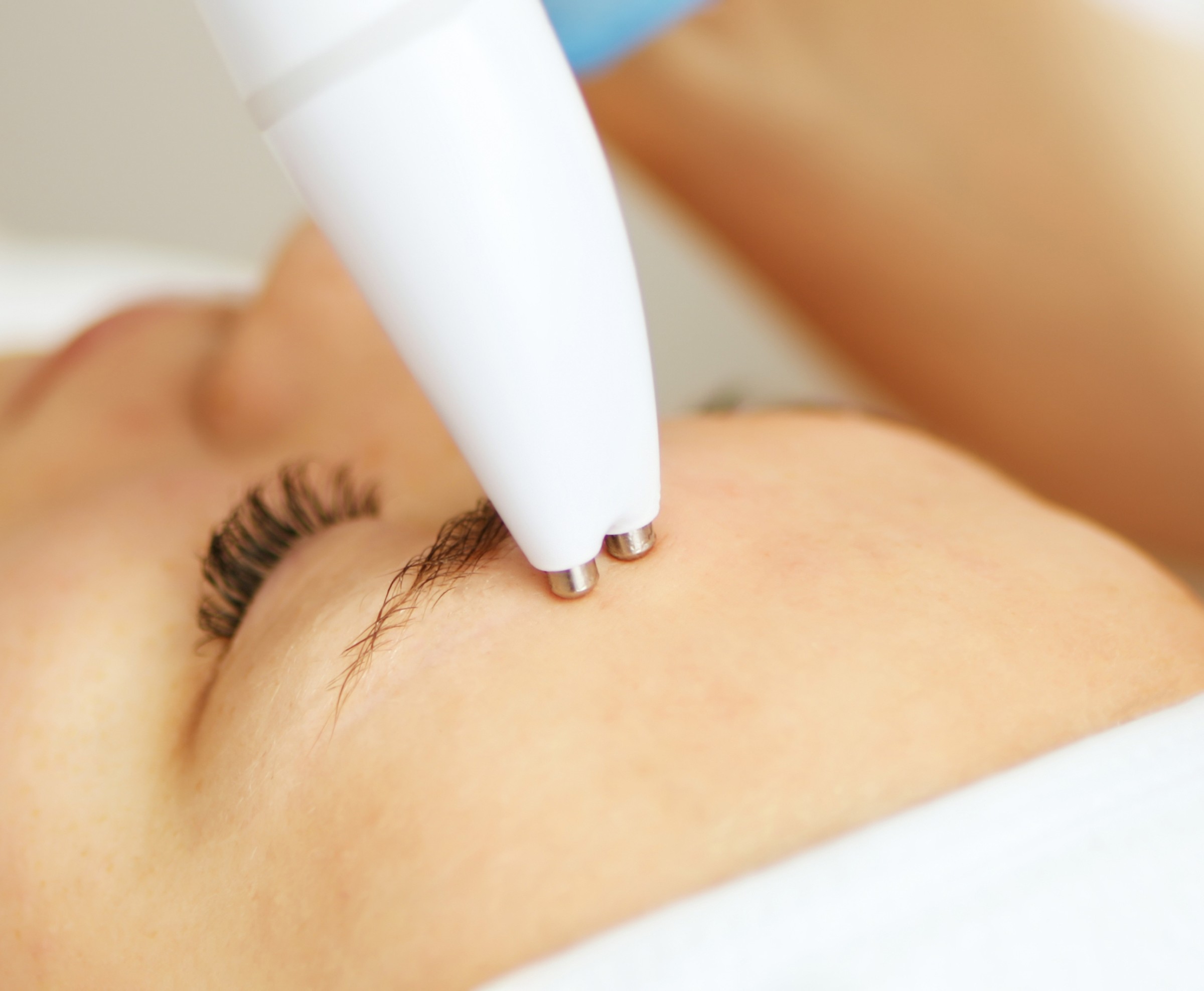
Eye Area Lifting: Why Is It Done Much Shallower Than Face Lifting?
Eyelid skin is a completely different thickness than the skin on your cheeks or jaw. Here's why the same lifting device has to be dialed down and kept shallow around the eyes, and how sagging eyelids actually tighten back up, explained from the ground up.
By Dr. Kim
Loss of Skin Elasticity and Volume in Your 40s: Sagging Versus Hollowing
The way your face changes in your 40s comes from two problems layering on top of each other: sagging skin and lost volume. Here is why skin elasticity and the volume beneath it fade on different tracks, and what home care and in-office treatments can each actually restore.
By Dr. Kim

Tiny Facial Bumps: How to Tell Flat Warts, Milia and Skin Tags Apart, and How to Treat Them
The small bumps that show up on the face can look alike, but flat warts, milia, and skin tags have different causes and different treatments. Here is how to tell the three apart at a glance, the right CO2 and Er:YAG laser or electrocautery approach for each, how common they are, how they tend to recur, and real evidence on why removing them at home is risky.
By Dr. Lee