Cica Centella Extract: Effects, Calming Redness and Collagen Regeneration
By Dr. Lee6 min read
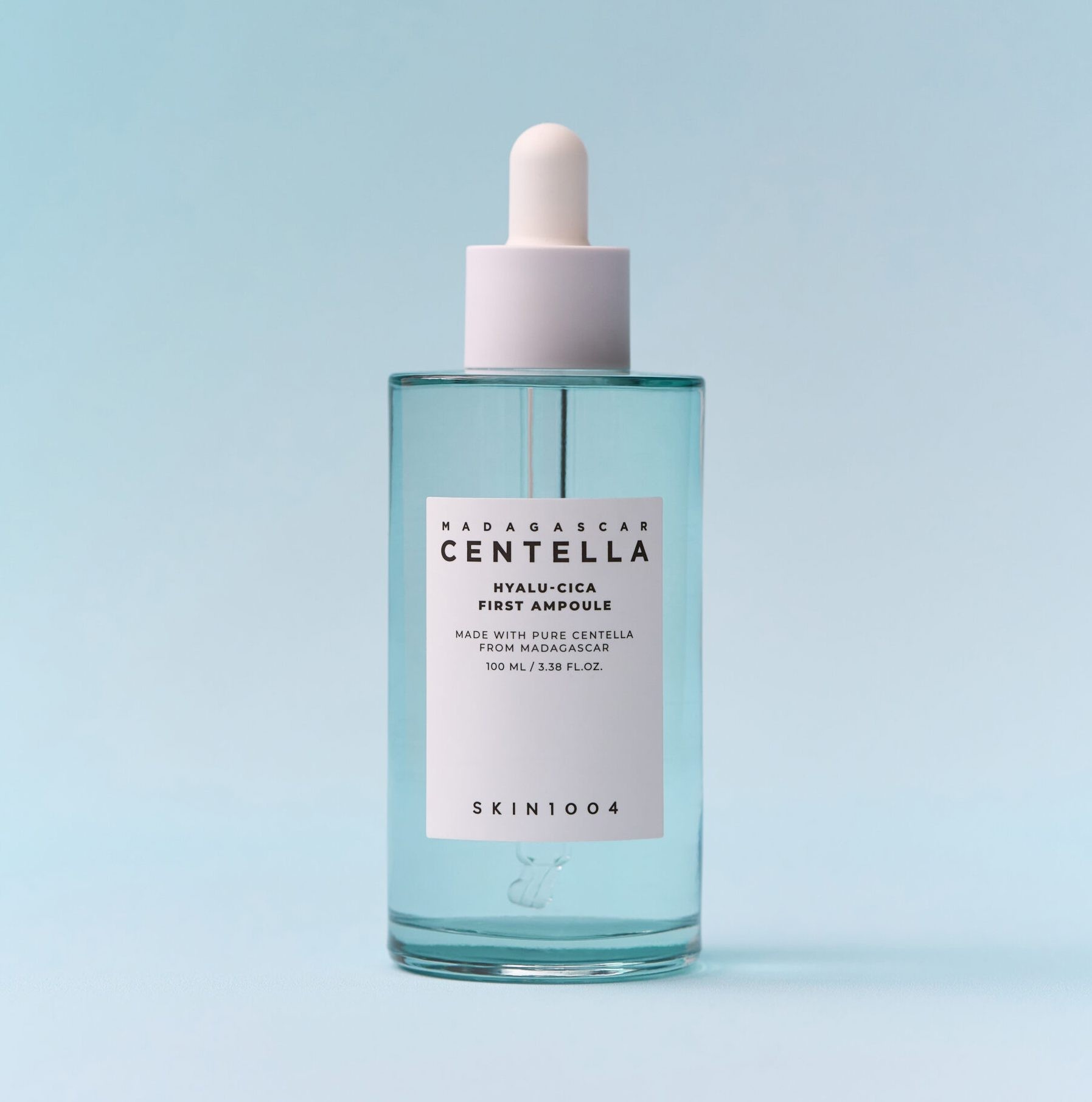
The word "cica" might sound unfamiliar, but centella asiatica probably rings a bell. Cica, as it shows up on ingredient lists, is really just a shorthand for extract pulled from the centella plant. It's the ingredient you'll find in almost every calming cream marketed for redness or post-procedure sensitivity.
Centella isn't popular just because it's trendy. Compounds inside the plant handle two separate jobs at once, calming inflammation and rebuilding damaged tissue. One shows up almost as soon as you apply it, the other unfolds slowly over weeks. Here's how one plant extract manages to do both, laid out step by step.
What kind of ingredient is cica?
Cica isn't the name of a single compound. It's a nickname for centella extract as a whole. The plant has been crushed and applied to wounds across Asia for centuries, and today its active compounds are isolated and formulated into skincare instead.
Dermatologists and cosmetic chemists classify cica as a calming ingredient because it addresses both sides of skin irritation at once, the inflammation and the tissue damage underneath it. Since one extract reduces redness while also helping repair the damaged area, it shows up constantly in post-procedure and recovery products.
Four compounds in centella extract
Centella extract is a mix of several compounds, but the ones that matter most belong to a group called triterpenoids (a class of plant-made compounds). The main ones are madecassoside and asiaticoside, along with madecassic acid and asiatic acid, which form when the first two break down in the body.
These four sound alike, but their roles differ slightly. Madecassoside and asiaticoside carry a sugar molecule that breaks down slowly once absorbed, which keeps their effects lasting longer. Their broken-down acid forms, madecassic acid and asiatic acid, are believed to act on cells faster. That's why ingredient lists often show several cica-related names stacked together.
Why does redness settle first?
Redness and burning are signs that skin has detected irritation and switched on a defense response. At the center of that response is NF-κB (a protein that acts as a switch inside cells, turning inflammatory signals on). Once that switch flips, a cascade of inflammatory substances gets released, and skin swells and reddens.
Madecassoside and asiatic acid are reported to suppress this NF-κB switch from activating in the first place. Press down on the switch itself, and the inflammatory substances that would follow drop off too. Think of it less like shutting off a fire alarm entirely and more like turning down its sensitivity, so it stops reacting to every small spark. That's why products with cica often bring a fairly quick sense of relief from redness and burning.
How does collagen regeneration happen?
Once irritation settles, there's still the matter of rebuilding damaged tissue. This is where the TGF-β pathway (a signaling protein that tells cells to repair tissue) comes in. Asiaticoside and madecassoside are reported to activate this TGF-β signal, prompting fibroblasts (the cells in skin that produce collagen) to make more collagen.
If calming inflammation is putting out a fire, building collagen is putting up new walls afterward. Start construction before the fire's fully out, and the materials just keep burning. Collagen has a hard time accumulating properly while inflammation is still active. That's why calming and rebuilding naturally happen in that order, one after the other.
Can ceramides rebuild the barrier?
The surface of skin is covered by a thin film made of ceramides (a lipid that fills the space between cells and keeps moisture from escaping). This film works like mortar between bricks, filling in the gaps so moisture stays in and outside irritants stay out.
Centella extract is reported to support ceramide production. It's similar to repointing a wall where the mortar has worn thin between the bricks. Once that barrier fills back in, transepidermal water loss (moisture escaping through the skin) drops, and skin regains its own ability to hold onto hydration. For skin that's especially reactive, this barrier repair usually needs to happen first before anything else starts working.
When do cica effects appear?
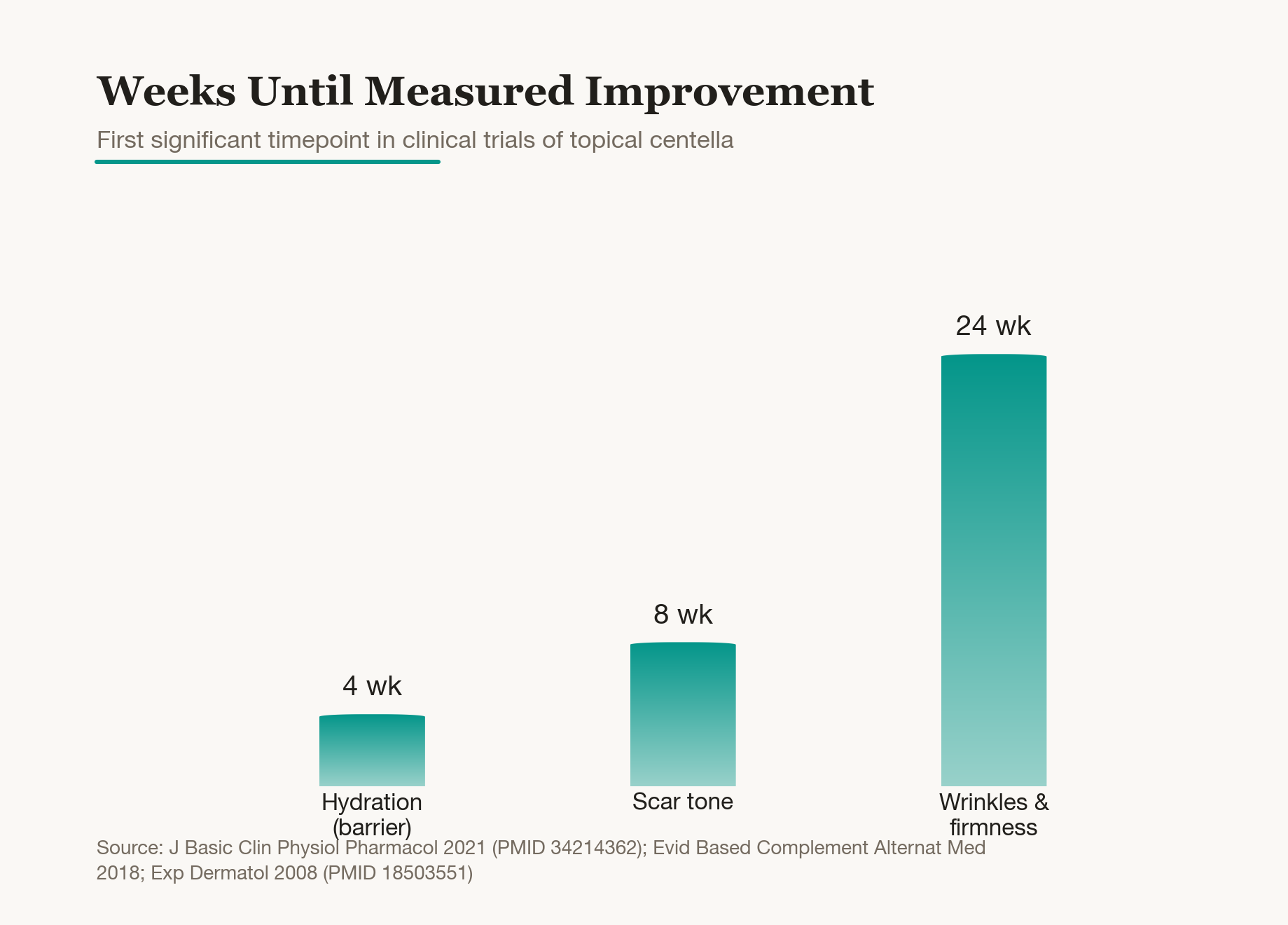
Cica's effects don't all show up on the same timeline. Calming changes, like less redness or burning, are often noticeable within a few days, since dialing down the NF-κB switch happens fairly quickly.
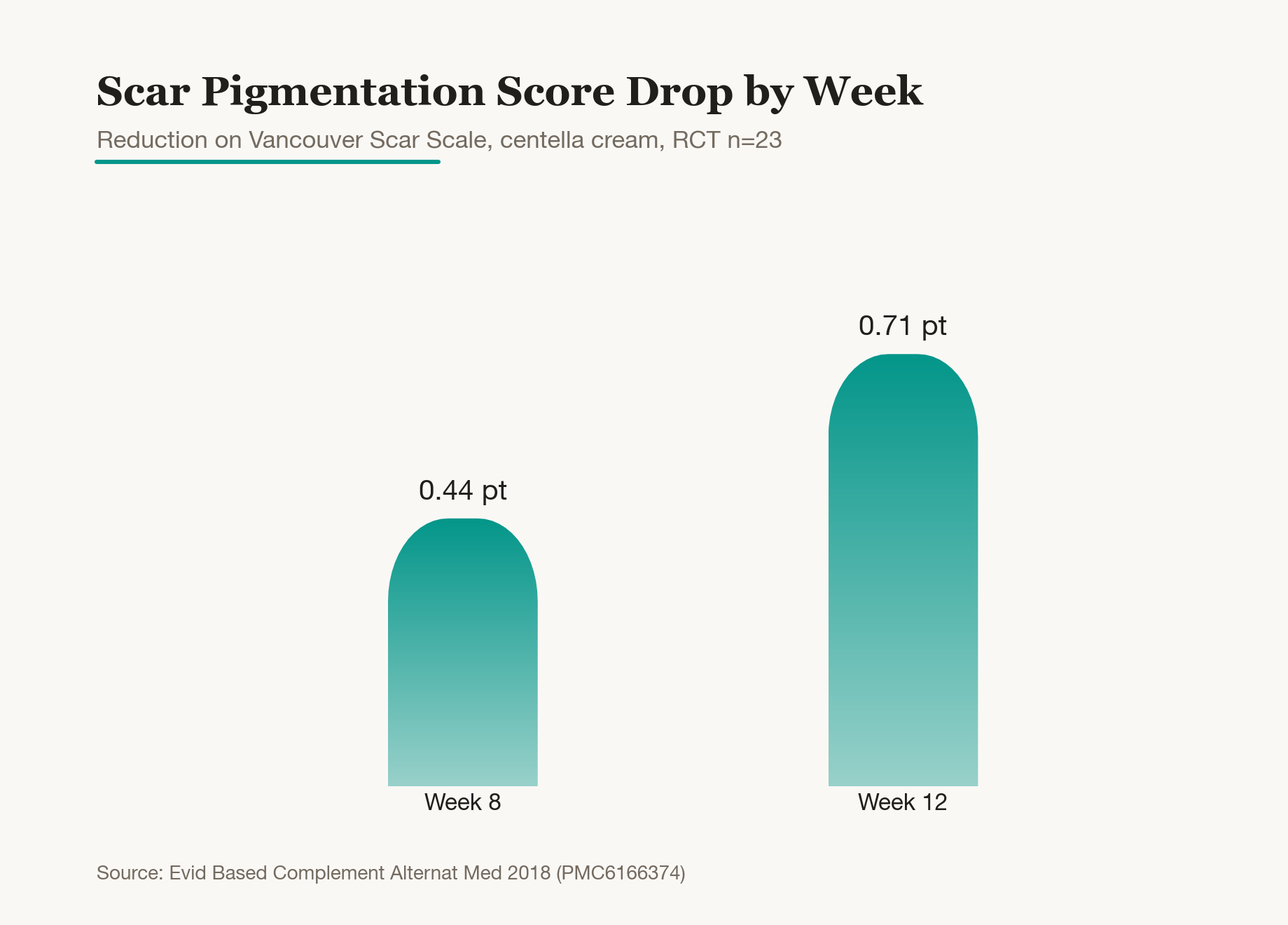
Collagen buildup and barrier repair move much slower. Studies on consistent use generally report visible changes somewhere between four and twelve weeks. Areas that need deeper tissue rebuilding, like scars or stretch marks, take even longer, often around six months of steady use before changes hold. That's why it's worth judging a cica product over at least a month, not just a few days.
Which skin types does cica suit?
Cica isn't equally necessary for every skin type, but the cases where it helps are fairly clear.
- Skin with a temporarily thinned barrier, like right after laser or chemical peel treatments: defenses against irritation are lower during this window, so calming and barrier repair both matter.
- Skin left with red marks after acne clears: the inflammatory response hasn't fully switched off and blood vessels are still dilated, so ingredients that calm inflammation further make a real difference.
- Skin weakened by frequent irritation, prone to stinging and dryness: ingredients that support ceramide synthesis act directly on a barrier that's running short on material.
On the other hand, if skin isn't showing clear irritation or inflammation, cica won't necessarily create a dramatic change. It's strongest at restoring skin that's out of balance, not at improving skin that's already stable.
What to check before use
Cica is generally classified as gentle with a low irritation profile, but that doesn't mean it's automatically safe for everyone. Since it's a plant extract, rare allergic reactions can occur depending on the person, so it's worth patch testing on the inner arm before trying a new product.
Also, just because a product lists cica doesn't mean the concentration or processing method is the same across brands. The higher an ingredient sits on the list, the more of it the product contains, so if you're after a calming effect, look for products where cica-related ingredients appear near the top. Cica alone won't solve every skin concern, and pairing it with basics like sunscreen and moisturizer is what keeps barrier repair holding up over time.
References
Korean Dermatological Association, American Academy of Dermatology (AAD), and Ministry of Food and Drug Safety (MFDS).
Was this helpful?
About this article
Written by a practising aesthetic physician and intended for general education — not a substitute for individual medical advice.
Read next

Exfoliation Methods: Physical Versus Chemical Exfoliation Compared
Exfoliation falls into two broad camps: physically buffing away dead skin and chemically dissolving it. Scrubs and brushes lift flakes off through friction, while acid ingredients loosen the bonds between skin cells so they release on their own. Here is how each method actually works on the skin, and which one fits which skin type.
By Dr. Kim
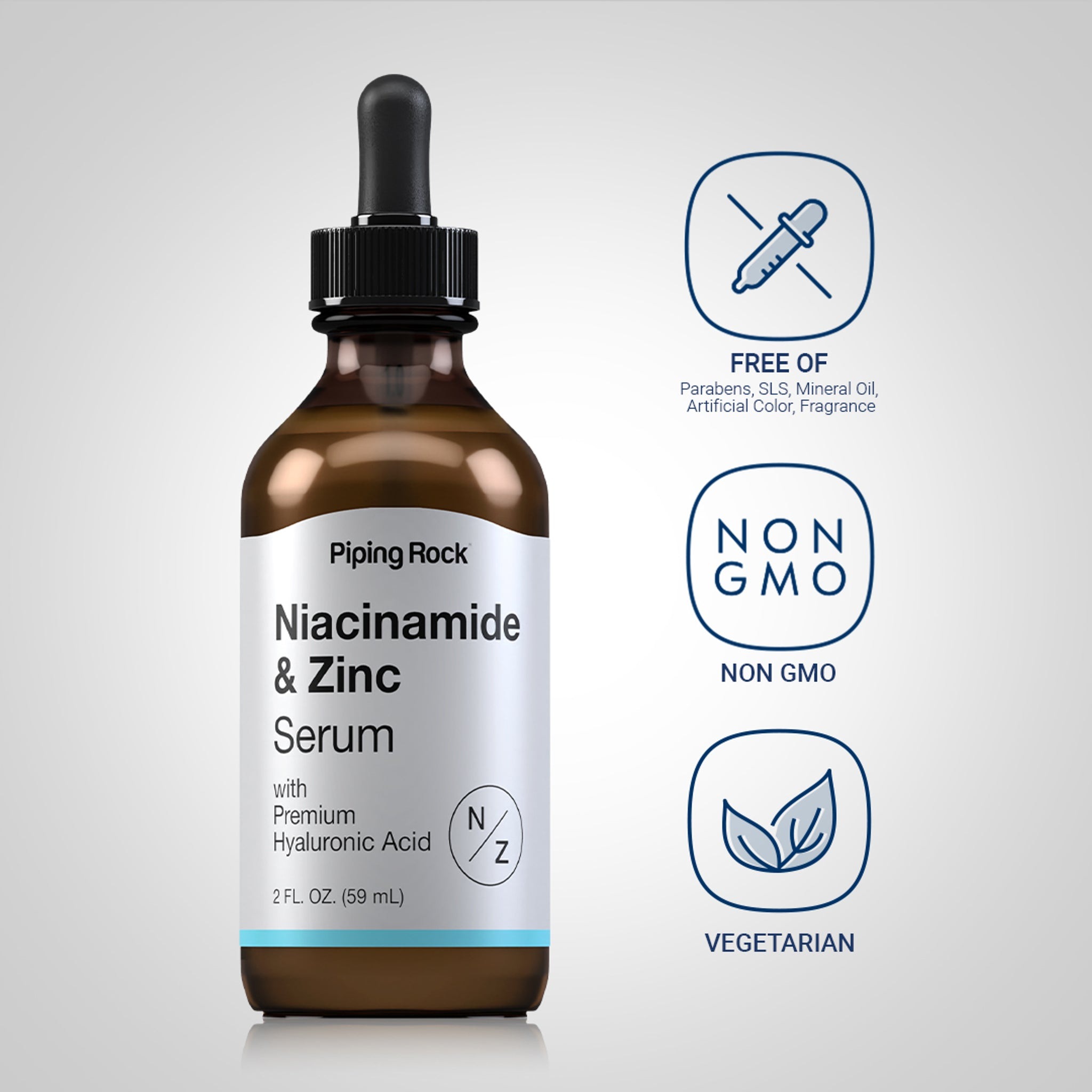
Niacinamide Benefits: How It Brightens and Repairs the Barrier, and the Right Concentration
Niacinamide works by blocking the path melanin travels along, fading discoloration, while also helping skin produce more ceramide, the lipid that keeps the barrier intact and calms redness and sensitivity. Here is how both effects happen at once, and what concentration actually makes sense.
By Dr. Lee

Density RF Effects: How Many Sessions and How Long Do Results Last?
Density RF pairs two radiofrequency modes with very different personalities to chase two goals at once: the instant tightening you feel right after treatment, and the collagen renewal that builds slowly over the following 4 to 12 weeks. Here is why two modes are needed, the order in which heat actually works inside the skin, and why the treatment is spread across multiple sessions instead of done all at once.
By Dr. Kim