Causes of Cellulite: Why Doesn't It Go Away Even After Weight Loss?
By Dr. Kim7 min read
A lot of people run a hand over the back of their thighs or their buttocks and are startled to find a dimpled, uneven surface. They have been exercising hard and have even lost weight, yet that bumpy texture just will not budge, which can be frustrating. This is cellulite.
Cellulite is not a simple fat problem caused by having too much body fat. It comes from the structure of fibrous tissue just beneath the skin, so it can show up even in thin people regardless of body weight. In this article, we will go through why this structure forms and why it tends to stick around even after weight loss.
Where cellulite appears and what it looks like
Cellulite refers to the dimpled, orange peel or mattress like texture that appears on the skin of the thighs, buttocks, or abdomen. Some areas dip inward while the spots right next to them puff up slightly.
This unevenness is not a surface level problem. It is what shows through from something happening in the layer underneath, which is why rubbing the surface with a massage or a cream does not make it disappear easily.
Why does cellulite look bumpy?
Between the skin and the muscle sits a fat layer, and inside that fat layer, fibrous bands made of collagen stand upright like vertical cords. Collagen is a protein that works like a supporting pillar for skin and tissue, and these collagen cords run through the fat layer, tying the skin and muscle together in a net like pattern.
The problem is that these cords stretch far less than fat does. Wherever a cord sits, it pulls the skin down tight, while the fat between the cords has relative room to bulge upward. Think of a quilted comforter. The stitched seams get pressed down into grooves, while the padded sections between the stitches puff up. It is the same principle.
So the spots being pulled down look sunken, and the spots that are not pulled look like they are bulging out, which is what makes the surface look uneven.
Can thin people get cellulite too?
It is true that cellulite tends to be more visible when body fat is higher, but the two are not the same issue. The proof is that cellulite is common even in thin people and often does not go away even after losing weight.
- Cellulite shows up far more often in women than in men. In women, the fibrous bands run straight up and down, perpendicular to the skin, so the pulling force concentrates in one direction. In men, the bands cross in a diagonal, net like pattern, which spreads the pulling force across multiple directions.
- Thinner skin makes cellulite more visible. When the skin is thin, there is not enough thickness to mask the bumpy contours happening in the fat layer below, so the underlying structure shows through more directly.
- Cellulite often becomes more noticeable with age. As collagen in the skin itself declines over time and the skin grows thinner and less elastic, its ability to cushion and cover the underlying contours weakens.
In other words, how the fibrous bands are arranged and how thick and elastic the skin is matter more than the amount of fat when it comes to how visible cellulite looks. That is why focusing purely on the number on the scale is not necessarily the most practical approach. Paying attention to the condition of the skin and the tissue underneath it can matter just as much.
Does cellulite go away if you lose weight?
When you diet, each individual fat cell shrinks in size. But the fibrous bands standing vertically inside the fat layer do not disappear along with the fat. Since the source of the pulling force is still there, the dimpled shape sticks around too.
In fact, when someone loses a significant amount of weight, the volume of both skin and fat can drop together, leaving the skin looser and thinner. When that happens, the pulling structure underneath can actually stand out even more clearly. This is exactly why losing weight is not a reliable solution for getting rid of cellulite.
How hormones and swelling affect it
There are reports that estrogen, the female hormone, has a hand in where fat tends to accumulate in the body and how flexible the collagen making up the fibrous bands is. This is thought to be part of why women often notice cellulite becoming more pronounced during periods of major hormonal change, such as pregnancy or the years around menopause.
On top of that, when venous and lymphatic circulation is not flowing smoothly, fluid and waste products can gradually build up in the tissue, causing the fat layer to swell like it is puffing up. When the tissue swells this way, the height difference between the spots pulled down by the bands and the spots puffed up by fat grows larger, so the same underlying band structure can end up looking even more uneven on the surface.
What treatments exist for cellulite?
Once it became clear that the pulling fibrous bands are the core cause of cellulite, treatments evolved to target this cord like structure directly.
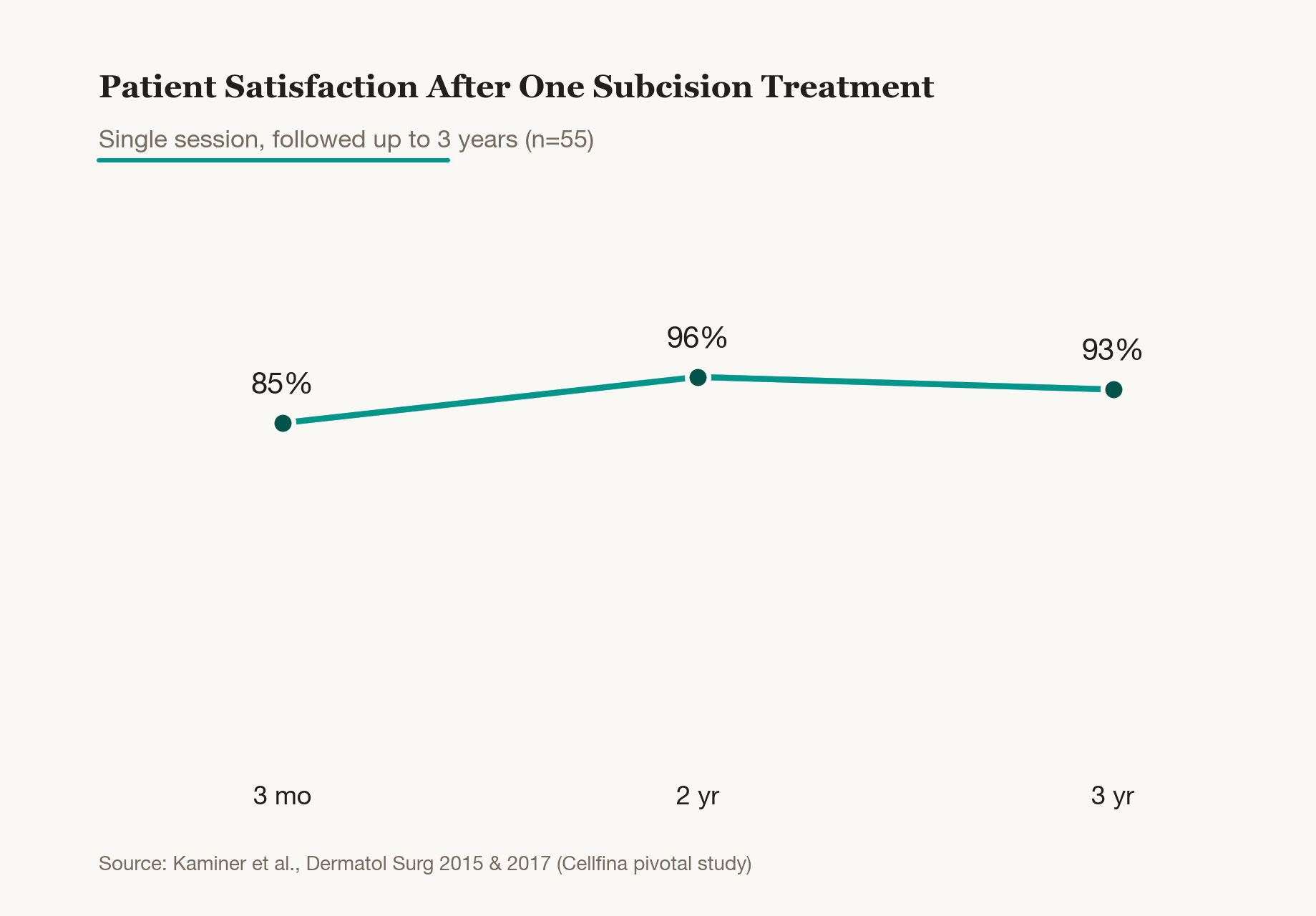
- A procedure called subcision inserts a thin needle under the skin to physically cut the fibrous bands that are pulling down. Since the cord doing the pulling is cut, that spot is no longer pressed downward and naturally smooths out.
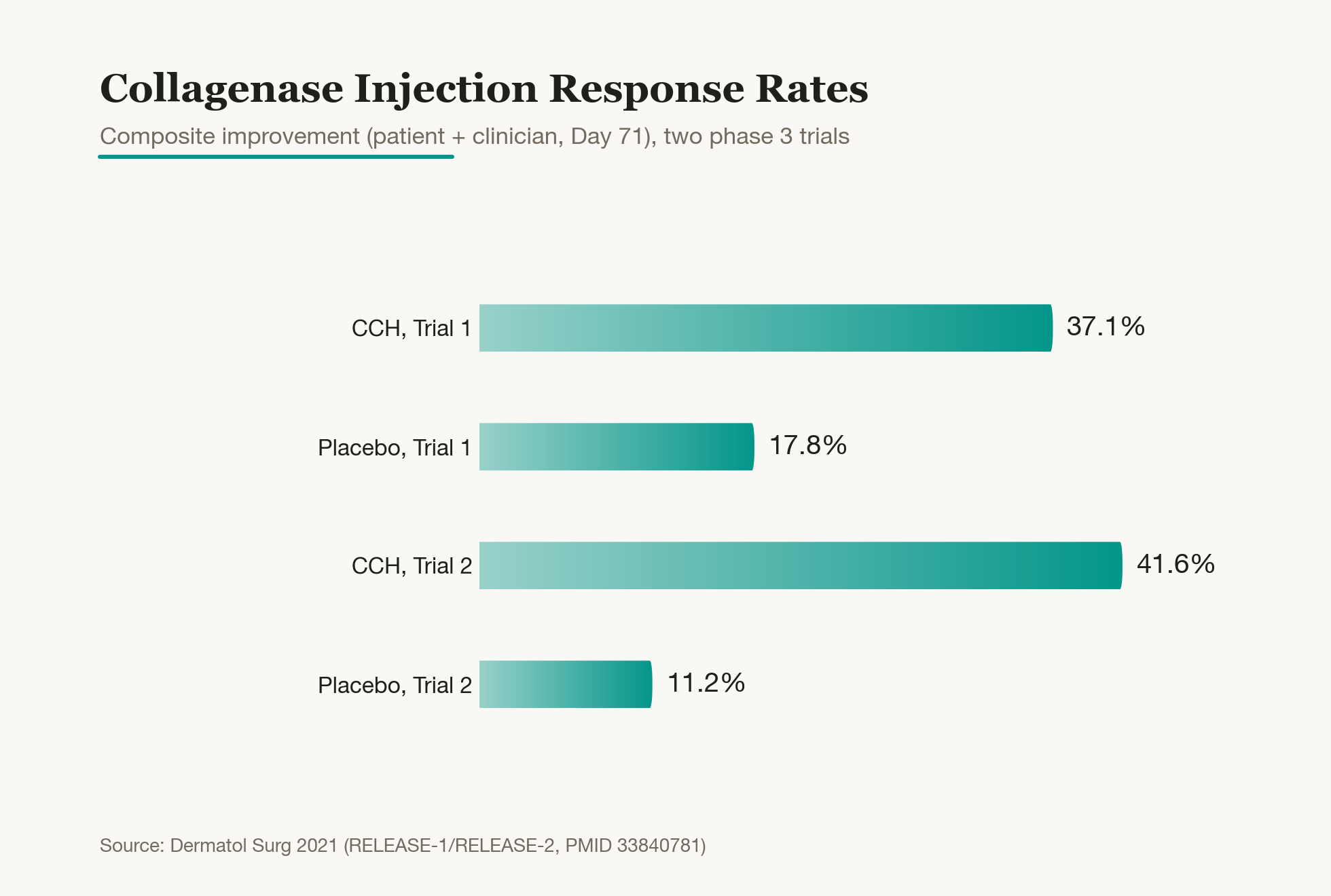
- Injectable collagenase treatment involves injecting an enzyme that chemically breaks down the collagen protein making up the bands, given every 3 weeks for up to 3 sessions. There are reports that this works by weakening the sturdy collagen cords, similar to cutting them with scissors, so the pulling force gradually eases over as long as 6 months after the final injection.
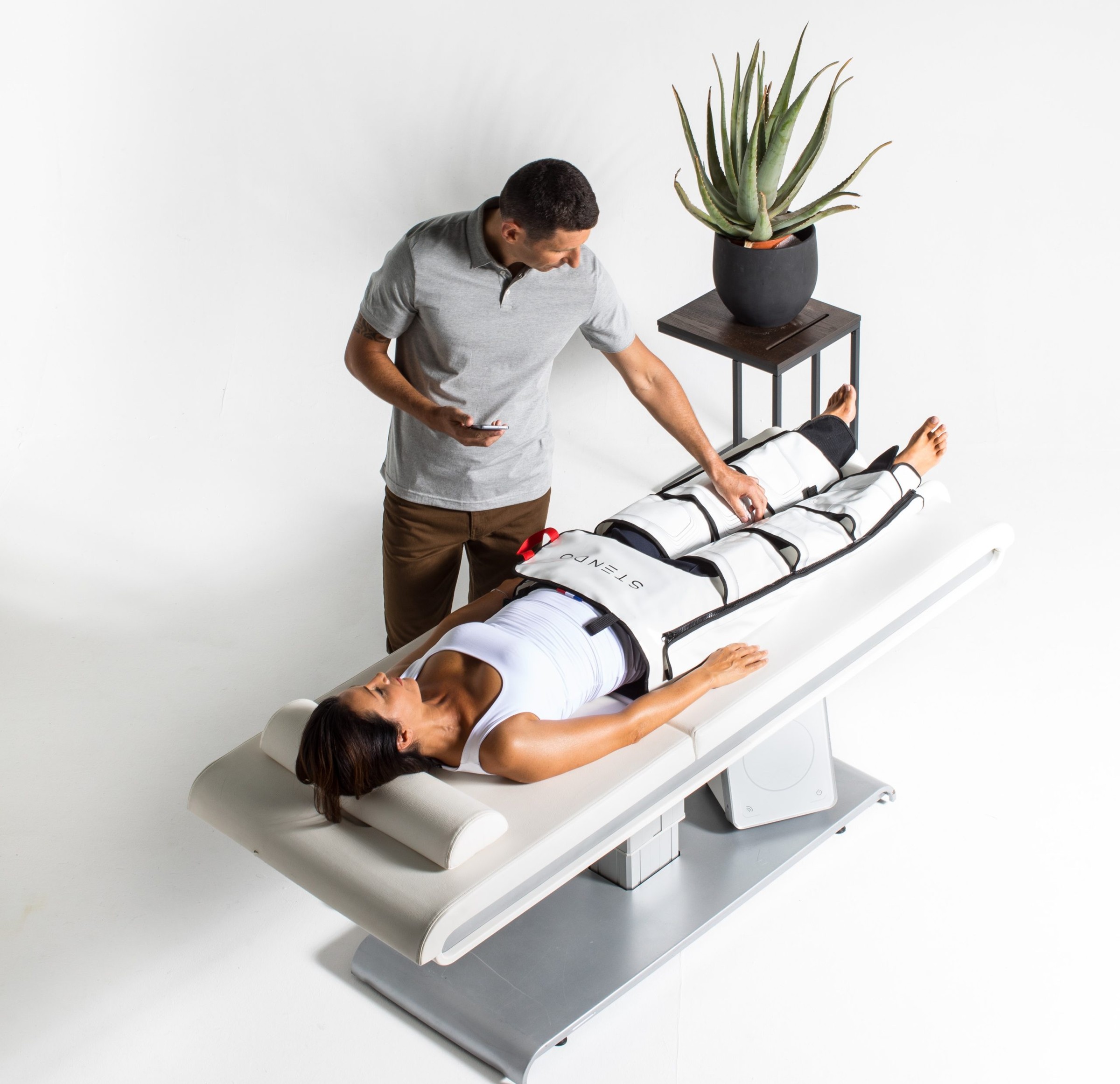
- Devices such as radiofrequency and ultrasound deliver heat or vibrational energy beneath the skin to stimulate the skin's own collagen production. They do not eliminate the fibrous band structure itself, but as the skin grows thicker and firmer, the bumpy contours underneath show through less on the surface.
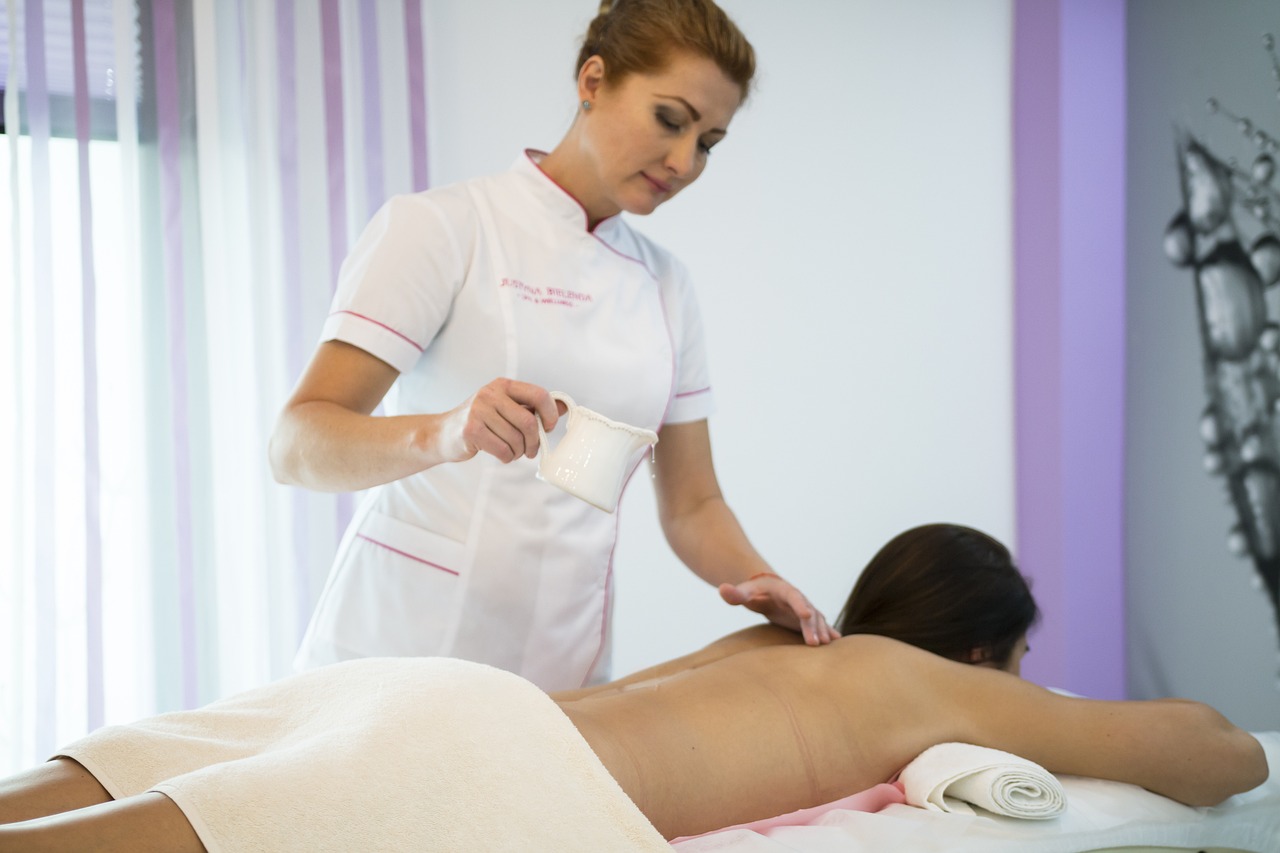
- Massage and roller treatments temporarily boost blood and lymphatic circulation in the area for about 1 to 2 days, reducing the fluid buildup trapped in the tissue. Once the swelling goes down, the surface can look smoother, but since this does not change the pulling band structure itself, things often return to how they were within 2 to 3 days.
How far can lifestyle care improve it?
There are reports that consistent strength training helps by building up muscle beneath the skin, adding support for the tissue above it. When the muscle becomes firmer, the fat and skin layered on top get extra support as well, which can make the surface feel smoother.
That said, exercise or diet control alone cannot really change the fibrous band structure itself. It is more realistic to understand that circulation friendly habits and strength training can help reduce how noticeable cellulite is, but they are not a way to eliminate the structural cause at its root.
There are reports that drinking enough water and cutting down on time spent sitting in the same position for more than 30 minutes also help support circulation. Crossing your legs for more than 1 hour or wearing tight, compressive clothing for more than 8 hours can compress the pathways that blood and lymph flow through, making them prone to congestion, and that congestion can worsen swelling in the fat layer and make cellulite more noticeable. In the end, lifestyle management is less about eliminating cellulite entirely and more about keeping swelling from piling on top of the pulling force already at work in the bands.
References
Korean Dermatological Association, Ministry of Food and Drug Safety (MFDS), American Academy of Dermatology (AAD), and U.S. Food and Drug Administration (FDA). </content>
Was this helpful?
About this article
Written by a practising aesthetic physician and intended for general education — not a substitute for individual medical advice.
Read next
How Long Do Cellulite Massage Effects Last?
Cellulite forms when fibrous connective bands linking skin to underlying fascia pull fat downward, creating dimpling. Here's how massage temporarily eases swelling by boosting circulation, and how that differs from treatments that actually change the structure itself.
By Dr. Kim

Can Thin People Get a Double Chin? How to Tell Fat From Sagging
A double chin can come from fat buildup or from sagging skin and muscle, and the treatments that actually work depend entirely on which one it is. Here is why that difference matters and how to tell the two apart.
By Dr. Kim

Cafe-au-Lait Spots Returning After Laser: Causes, Number of Sessions and Expectations
A café au lait spot forms because the pigment-making cells in that one patch of skin are locally overactive. Laser treatment breaks up the pigment that has already built up, but it doesn't switch off those cells, which is why the color so often returns. Here's the biology behind it, why results differ so much from person to person, and what a realistic treatment timeline actually looks like.
By Dr. Kim