How Long Do Cellulite Massage Effects Last?
By Dr. Kim7 min read
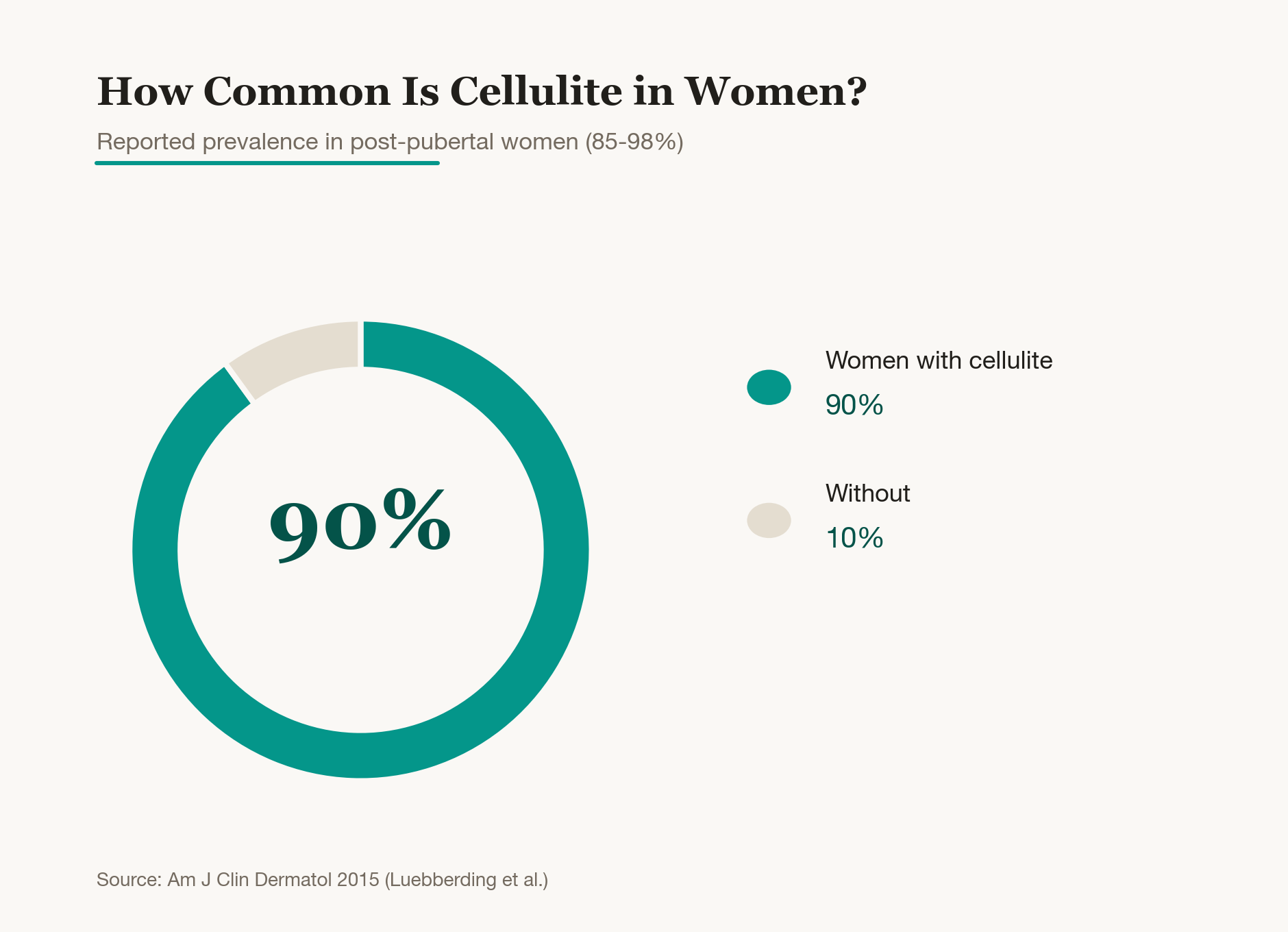
Press on the skin of your thighs or backside and a dimpled, uneven texture often rises to the surface. That's cellulite. It's commonly blamed on excess weight, but it shows up on lean people just as often. The amount of fat matters less than the structure of the connective tissue that holds it in place.
Many people notice that skin looks smoother right after a massage. But it's worth asking whether that change comes from an actual shift in structure, or just a temporary improvement in swelling and circulation. The two effects last very different amounts of time.
Why does cellulite form?
Beneath the skin, the fat layer is divided into compartments by thin fibrous bands. These bands, called connective tissue septa, attach to the dermis above and the fascia below, holding fat in place compartment by compartment. Think of a quilted blanket with sewn-in seams, the seams keep the filling from bunching up in one spot.
The trouble starts when a fat compartment expands or a septum loses its elasticity. As the fat compartment tries to bulge outward, the septum keeps pulling that spot down, so the anchored area sinks in while the tissue around it puffs out. It's similar to what happens when springs inside a mattress tug on the fabric at scattered points, the surface ends up looking uneven.
This structural difference is also why cellulite is so much more common in women. In women, the septa run almost vertically to the skin, which makes it easier for fat to push straight upward into a bulge. In men, the septa cross in a net-like, crisscross pattern, so the pressure from expanding fat gets spread across several directions instead of building up in one spot. A single difference in how the bands are arranged makes a big difference in how the surface ends up looking.
Estrogen is also thought to play a role. It helps the body store fat just under the skin, and at the same time tends to make the fibrous tissue of the septa relatively softer. That's one reason cellulite often looks more pronounced during pregnancy or at certain points in the menstrual cycle, when hormone levels shift the most.
What does massage do for cellulite?
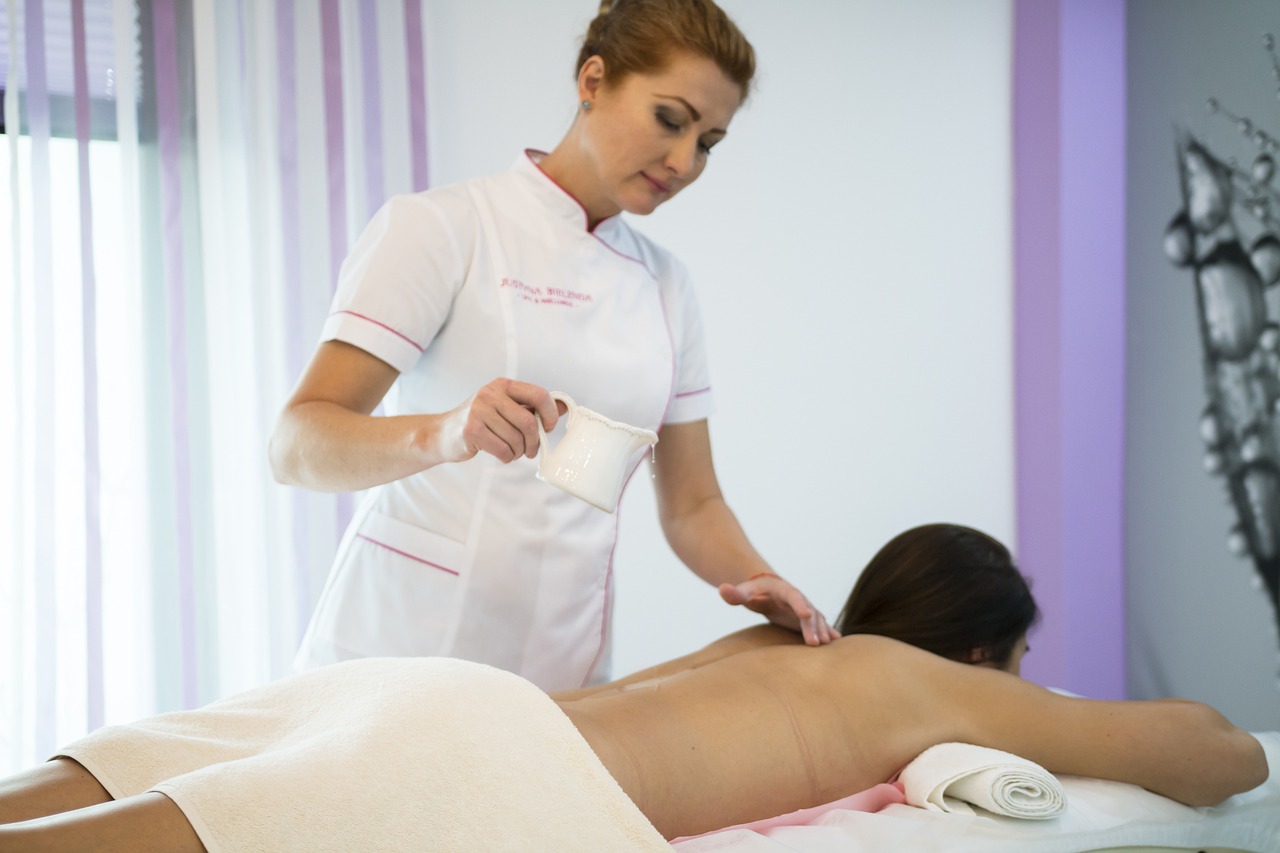
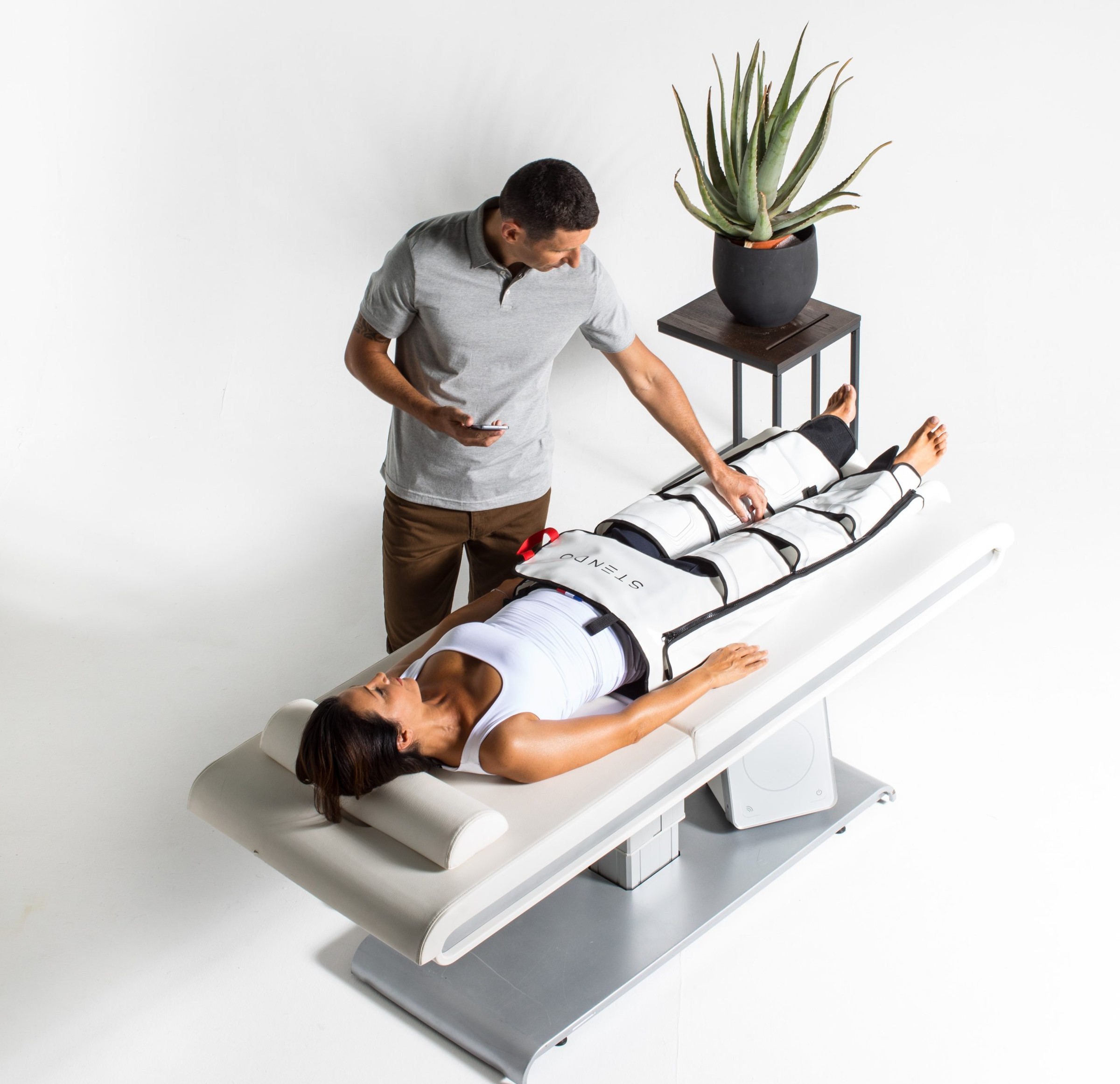
Massage, especially mechanical massage using rollers or handheld devices, repeatedly presses on the skin and the tissue underneath. That pressure temporarily speeds up lymphatic and blood flow that had been sluggish. Fluid that had pooled between tissues drains out, which is what brings swelling down. Blood flow to the area also rises briefly, warming the skin slightly and making the surface look a bit tighter.
Once swelling goes down, the skin looks smoother almost right away. As the puffy tissue settles, the dimpling caused by the septa becomes relatively less noticeable. But this change doesn't alter the length or thickness of the septa themselves. It's closer to a temporary drop in the volume of the tissue surrounding them. The underlying structure stays exactly as it was, only the volume covering it shrinks for a while.
Some studies using ultrasound after mechanical massage report a thinner subcutaneous fat layer on the thighs and a smaller thigh circumference. One interpretation is that pressing on the fascia along with the fat lets the fat compartments loosen slightly from the septa, reducing how much they bulge. On the other hand, a randomized controlled study that used massage alone over 12 weeks found no statistically significant difference in thigh circumference compared with a control group. In other words, the size and duration of the effect vary quite a bit from study to study, so it's hard to draw firm conclusions from massage alone. The differences likely come down to the type of device used, how much pressure is applied, and how often it's done.
Duration of massage versus treatments
Because most of what massage changes has to do with fluid and circulation, the results don't last long. Skin often looks smoother for a few hours to about a day after a massage, then gradually returns to how it looked before as fluid builds back up in the tissue. Since the position and elasticity of the septa never changed, the underlying structure that creates the dimpling stays exactly the same.
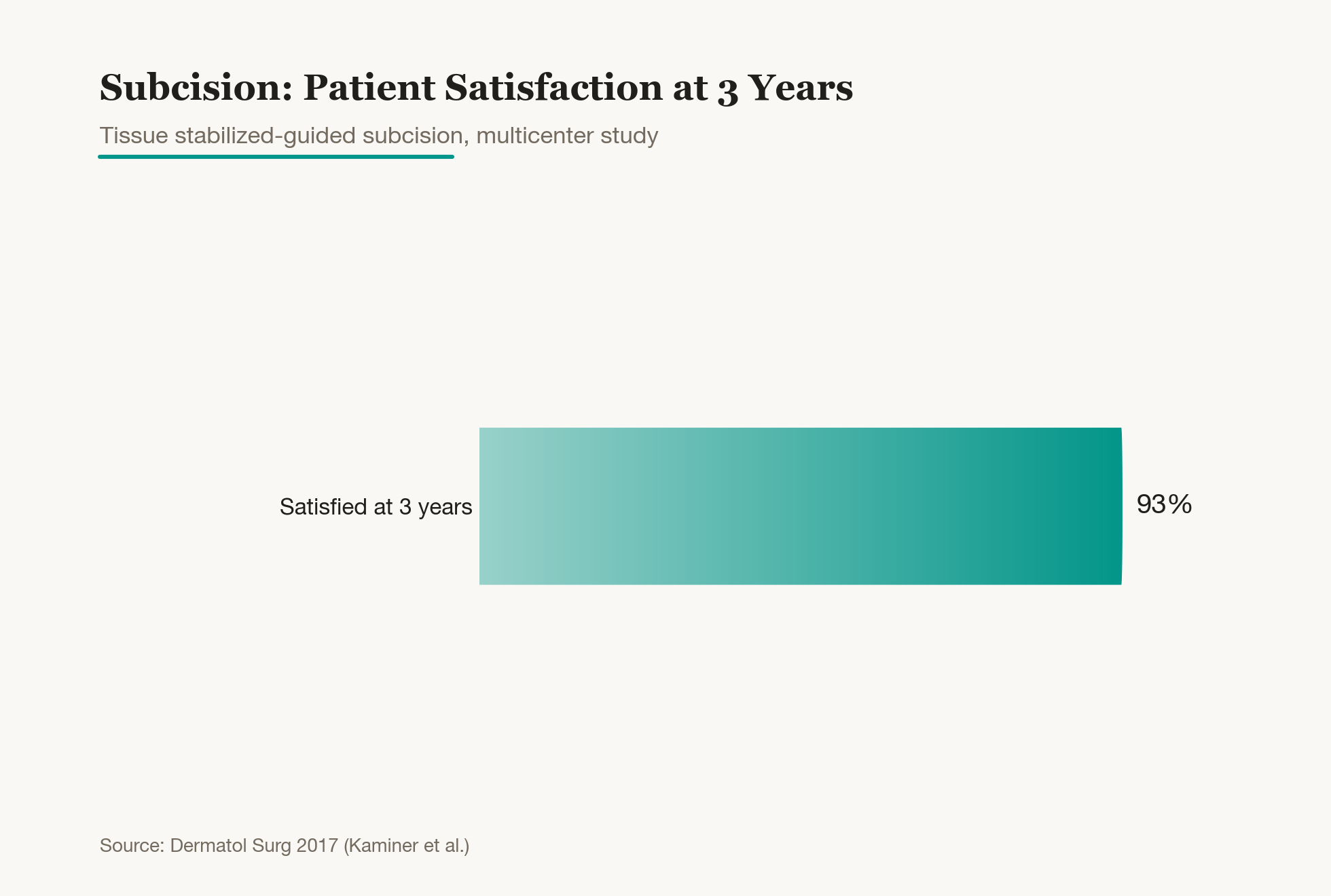
Treatments that physically cut or loosen the septa themselves are a different story. Subcision, which uses a fine needle to sever the septa, and treatments that use acoustic energy to stimulate the septal tissue, both take aim at the actual structure pulling the skin down. Because they address the root cause, their effects are often reported to last anywhere from 6 to 12 months or longer.
Seen this way, massage is more of a circulation-boosting maintenance habit, while treatments are a structural intervention. Neither really replaces the other. It's more that the right choice depends on whether you're after a temporary refresh or an actual structural change.
Care that helps when combined
None of these change the root structure of cellulite, but they're generally considered helpful for supporting circulation and skin condition.
- Regular strength training: When the muscles in the thighs and glutes get firmer, they support the skin and fat layer above them more tightly, which can make dimpling look less pronounced. The muscle itself acts as a support structure underneath the fat layer.
- Steady water intake and watching sodium: Keeping your body's fluid balance stable reduces the amount of excess water that pools between tissues. Less swelling means the dimpling caused by the septa stands out less.
- Moisturizers with retinol: Retinol is known to stimulate collagen production in the skin. As the skin itself gets thicker and more elastic, the dimpling underneath tends to show through less on the surface.
- Caffeine creams, used occasionally: Caffeine is known to temporarily draw water out from just below the skin's surface, tightening the tissue. But like massage, this effect doesn't last long either, and skin often returns to how it looked within a day or two.
Is it okay to press hard for a long time?
Using a strong massage device every day for long stretches can actually strain the skin and small blood vessels. Repeatedly pressing hard on the same spot can cause bruising or weaken capillaries, so it's a good idea to keep both the duration and intensity of device use moderate.
Also, if the results of a massage fade within a few days, that doesn't mean the method itself failed. Massage was never meant to target the septa as a structure. It targets circulation and swelling instead. Comparing how long its effects last to a structural treatment sets you up for disappointment from the start.
Cellulite can look more pronounced during periods of significant weight change. When a fat compartment suddenly expands or shrinks, the balance of tension the septa place on the tissue shifts along with it. Managing weight gradually and steadily is generally considered a better way to avoid sudden, more noticeable dimpling.
It's also common for dimpling to become more noticeable with age. As collagen in the skin gradually declines and the septa lose elasticity along with it, the balance between the forces holding fat compartments in place and the forces pushing them outward becomes easier to tip than it was at a younger age. That's why, rather than giving up on management altogether as you get older, staying consistent with exercise and moisturizing to preserve the elasticity of both the septa and the skin for as long as possible is generally recommended.
References
Korean Dermatological Association, American Academy of Dermatology (AAD), and Ministry of Food and Drug Safety (MFDS).
Was this helpful?
About this article
Written by a practising aesthetic physician and intended for general education — not a substitute for individual medical advice.
Read next
Causes of Cellulite: Why Doesn't It Go Away Even After Weight Loss?
Cellulite is not simply a matter of having too much fat. It comes from fibrous bands under the skin pulling the tissue down. Here is why that structure stays put even after weight loss, and how treatments actually target it.
By Dr. Kim

Body Onda: Effects, Approach by Area, Number of Sessions and How Long It Lasts
Body Onda is a non-surgical body contouring treatment that uses microwave energy to selectively heat the fat layer beneath the skin, shrinking fat cells while tightening the skin above them. Here is why the heat targets fat rather than skin, why fat reduction and tightening happen together, how the approach differs for the abdomen, arms, and flanks, and how many sessions it takes to see lasting results.
By Dr. Kim

Pebbled Chin Botox: Results, How Long It Lasts, Dosage, and Side Effects
Chin botox (mentalis botox) smooths out the pebbled, orange-peel texture that shows up on an overactive chin. Here's how relaxing the mentalis muscle evens out the skin, the typical dose and injection points, when results appear and how long they last, how this differs from a weak or protruding chin, and the side effects worth knowing about, all backed by real evidence.
By Dr. Kim