Calf Botox: Does It Not Work Unless the Cause Is Muscle?
By Dr. Lee8 min read
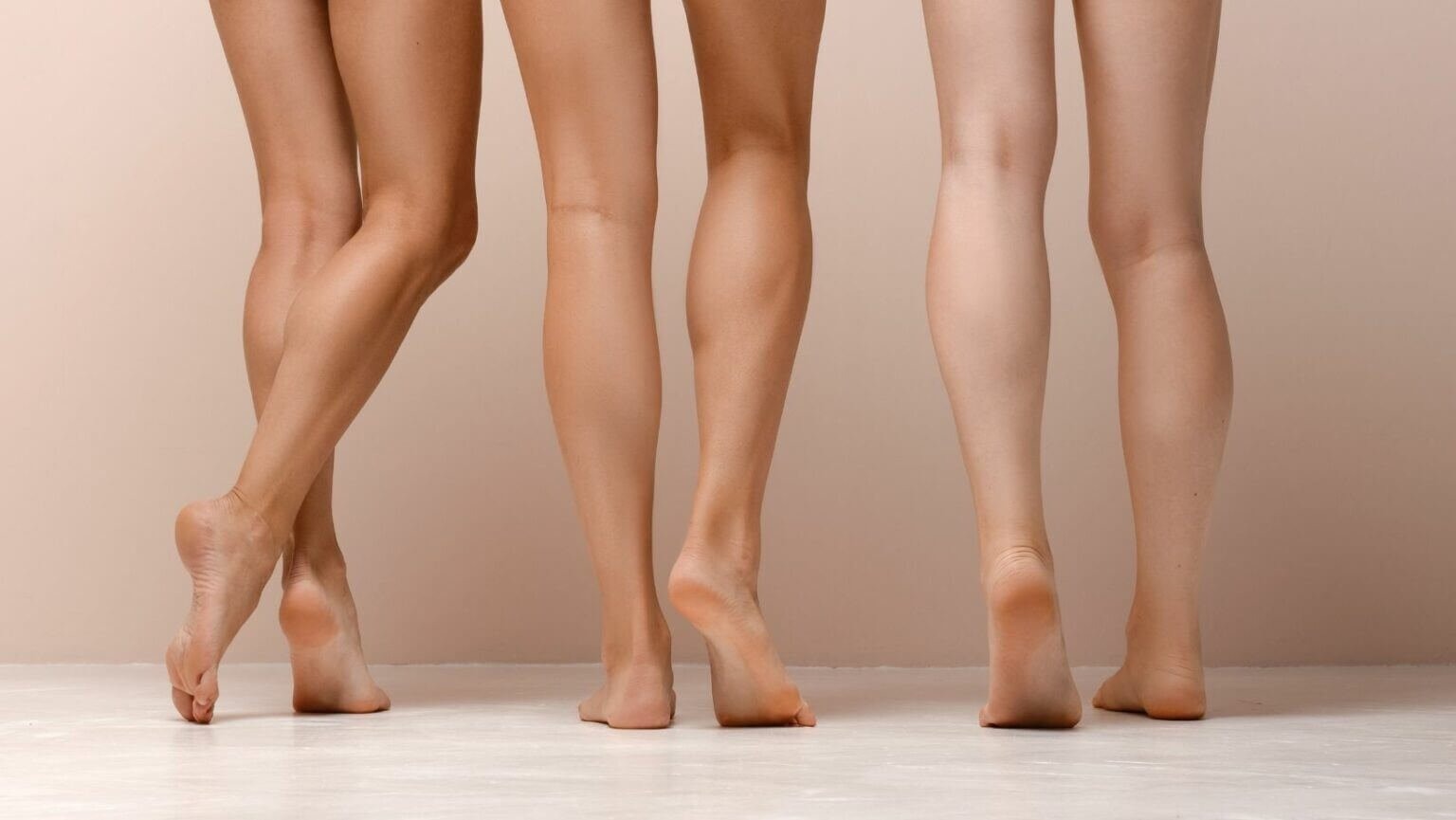
Many people feel self-conscious about a calf that bulges noticeably when wearing a short skirt or slacks. If the cause is muscle, calf Botox works by slightly reducing the strength of the muscle that creates that bulge, softening the line of the leg.
That said, it does not work the same way for every calf. Results vary a lot depending on whether the bulge comes from a firm, muscular type or a soft, fatty type, and the injection points and dose need to be set differently for each person. Here is a rundown, backed by actual research numbers, covering what the gastrocnemius (the muscle that creates the calf bulge) actually is, how to tell the muscular type from the fatty type, dosing and reduction by area, how long the effect lasts, and its impact on walking and muscle strength.
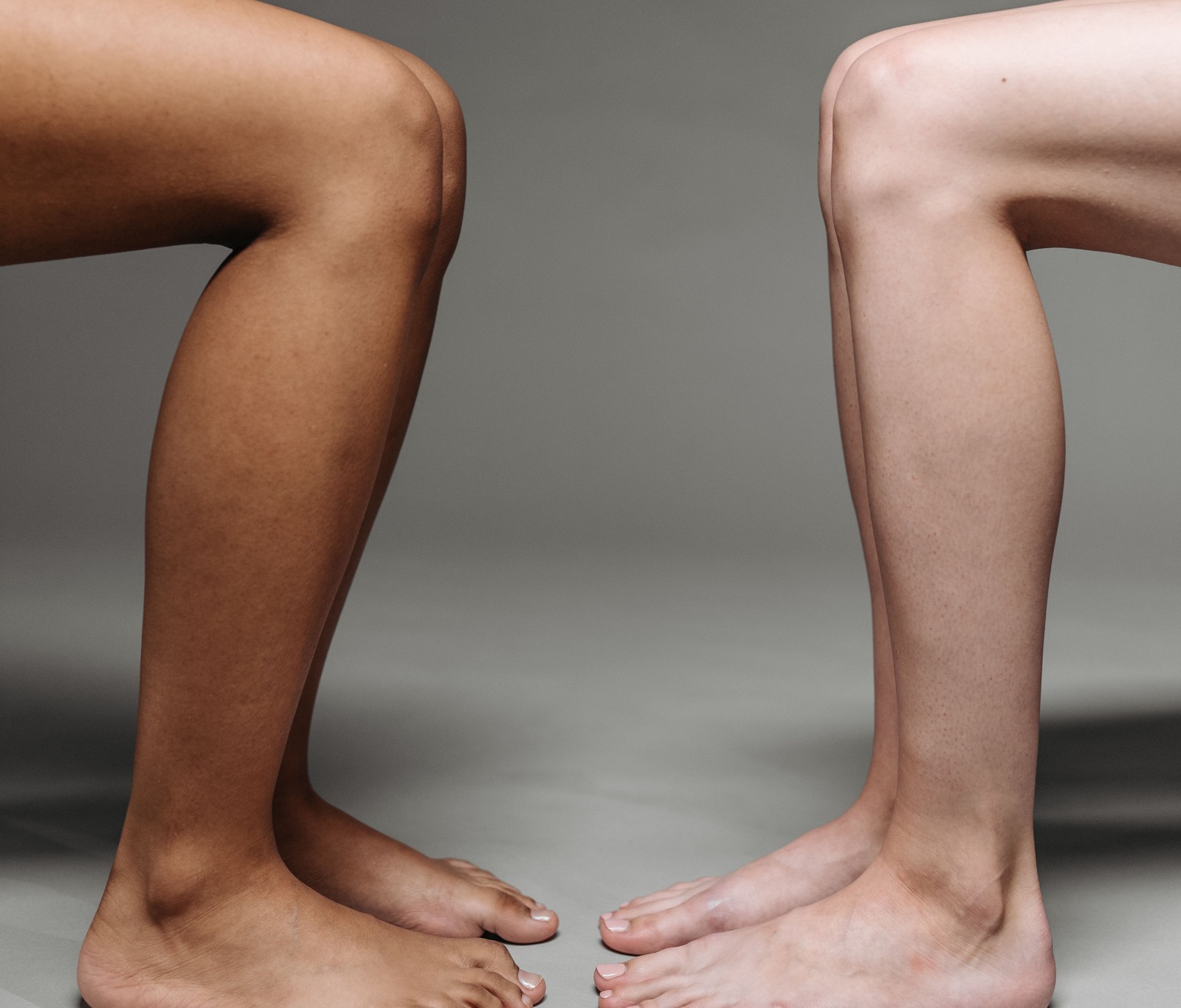
How does calf Botox reduce the bulge?
The gastrocnemius is the two-headed muscle that bulges out at the back of the lower leg. It is the muscle that does the work when you lift your heel or run, and the more developed it is, the more pronounced the calf bulge looks. Botox blocks the nerve signal to the gastrocnemius, keeping the muscle from generating force.
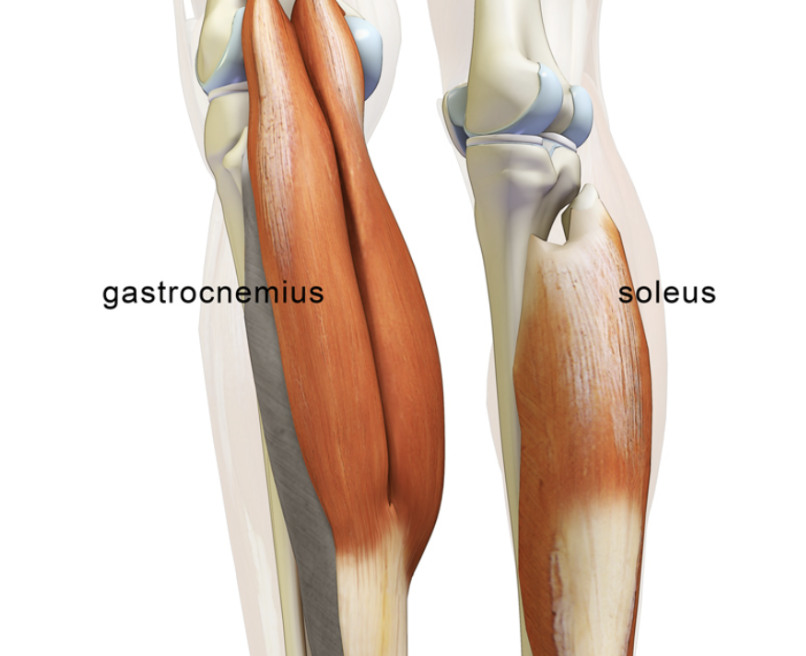
A muscle cut off from its nerve signal gradually thins, much like a muscle that goes unused. It does not thin immediately after treatment; volume decreases and the line softens over 3 to 4 weeks. The mechanism is the same as with jaw or trapezius Botox, but because the calf is used for walking and running, the dose and injection points need to be chosen more carefully.
The effect is not permanent. Once the nerve signal returns after a few months, the muscle gradually returns to its original size, so repeat treatment is needed to maintain the line. That is why, if you are considering calf Botox, the first step is confirming that the bulge is really caused by muscle.
Dose and injection sites for each calf
The standard approach is to divide the dose across multiple points on one side of the gastrocnemius. In one study, 15 points were marked on one calf, with 10 U injected at each point for a total of 150 U in the gastrocnemius, spread evenly across the medial and lateral heads to keep both sides balanced.
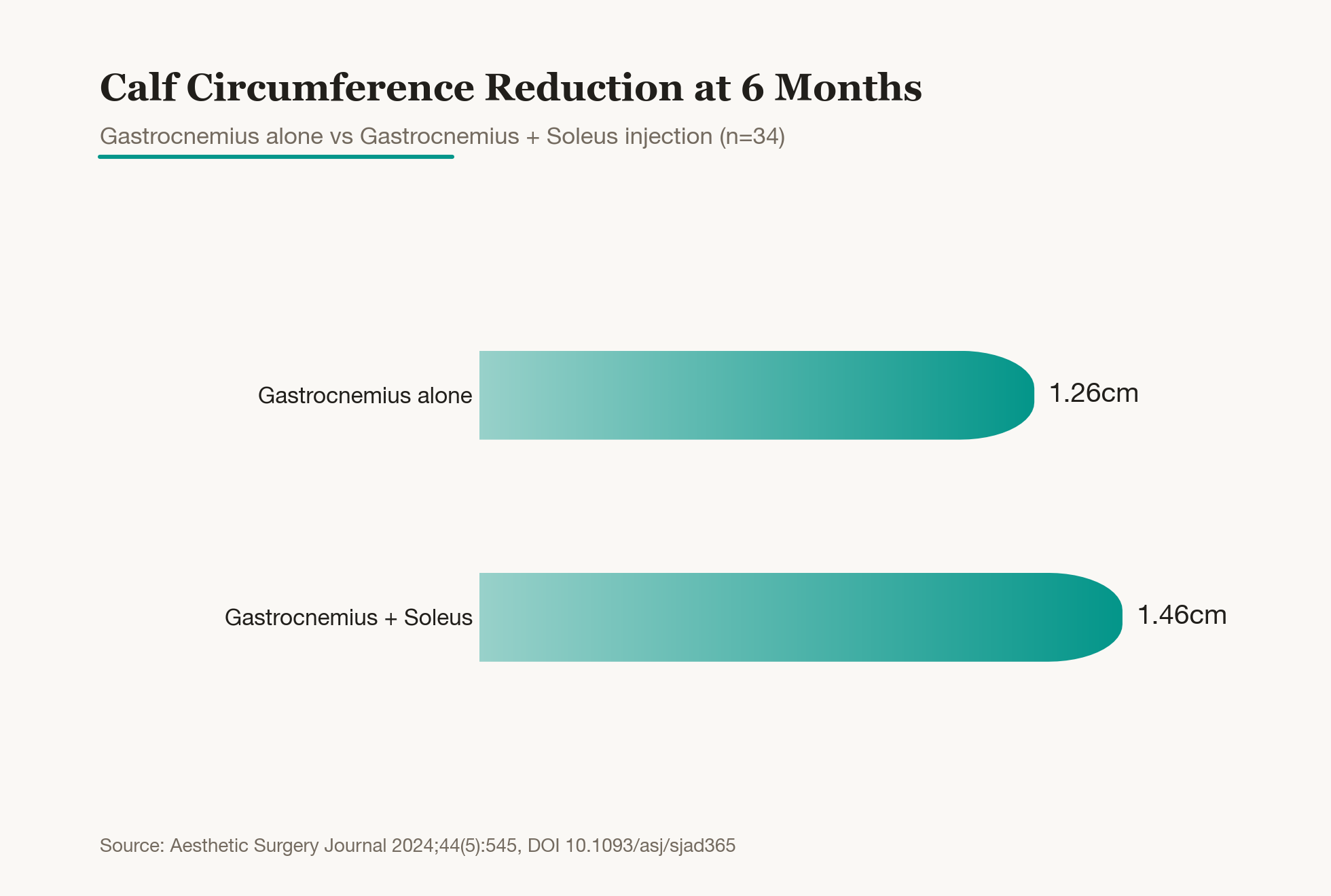
The same total dose can also be split differently. This approach targets the soleus as well, the muscle beneath the gastrocnemius that supports the body while standing, injecting 6 U into the gastrocnemius and 4 U into the soleus at each point. In a study that followed 34 people for 6 months, the group injected only in the gastrocnemius saw circumference decrease by 1.26cm, while the group injected in both the gastrocnemius and soleus saw a decrease of 1.46cm, a difference that was not statistically significant.
In practice, around 100 U per calf is the most common base dose, and it is increased to 150 U or more when the muscle is large or a more noticeable reduction is desired. Reported total doses by area range widely across studies, from 100 U up to around 300 U, but since the amount is set individually by the provider based on muscle size and the desired result, it is better understood as a range rather than a fixed answer.
How to tell whether it's muscular or fatty
Calf Botox works when the bulge is caused by muscle. If the calf is thick because of fat, reducing the muscle will not change the thickness much. That is why determining, before treatment, whether the calf is the muscular type or the fatty type is what decides the outcome.
The simplest method is a heel-raise test. When you stand on your toes, the calf muscle contracts, and the bulging area becomes firm and pronounced. If that firm area is clear, it points to the muscular type. If the area stays soft even with the heel raised, it points to the fatty type.
Fat thickness measurement is also used alongside this. In a pinch test, where the skin is pinched to measure thickness, more than 2cm is considered thick fat, and in that case, a method like liposuction is a better fit than Botox. In practice, muscle and fat are often mixed together, so checking both tests together is the safer way to decide on treatment.
| Type | Muscular type | Fatty type |
|---|---|---|
| Heel-raise test | Firm and bulges | Stays soft |
| Pinch test | Under 2cm | Over 2cm |
| Suited treatment | Botox | Liposuction, etc. |
Do injection sites differ even within the muscular type?
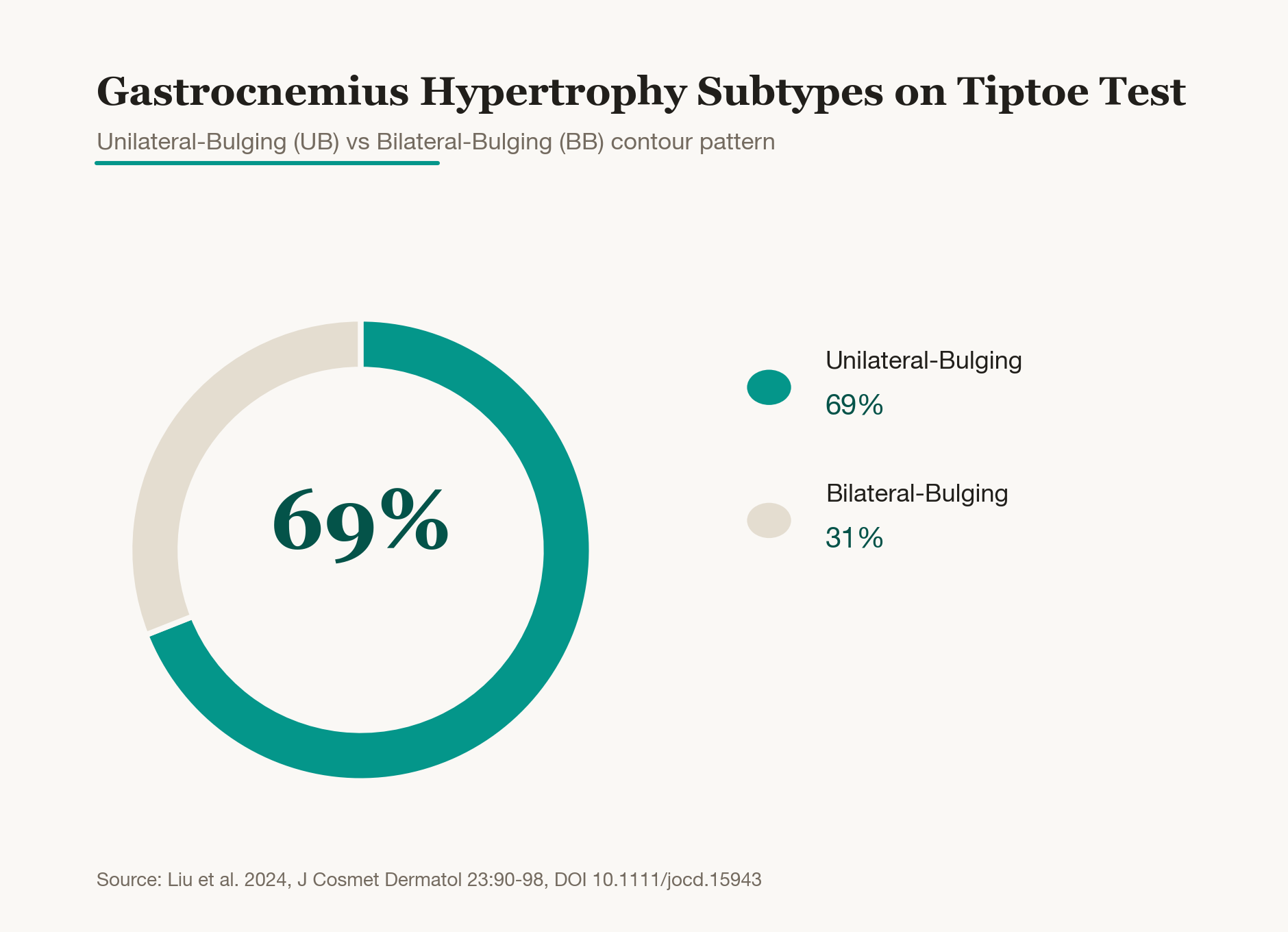
Not every muscular-type calf looks the same. One study used the heel-raise test to divide gastrocnemius enlargement into two types: a one-sided bulge, where only one head stands out, and a two-sided bulge, where the medial and lateral heads are evenly prominent.
In that study, 69% showed the one-sided bulge and 31% showed the two-sided bulge, making the one-sided type more common. In the one-sided bulge type, the medial head tends to stand out more often, because it bears more of the body's weight while standing.
Injection points change depending on the type. For the one-sided bulge, the dose is concentrated on the prominent head, while for the two-sided bulge, the dose is split evenly between the medial and lateral heads. Marking the bulging area in advance with photos and palpation, then injecting to match that exact spot, helps avoid the mistake of treating the wrong area while leaving the actual bulge untouched.
How much do calves shrink, and how long does it last?
Effect size is reported a bit differently across studies. In a randomized controlled study using 60 U, calf circumference decreased from an average of 36.35cm to 35.87cm after 8 weeks, a reduction of about 0.48cm. It was a statistically meaningful decrease, but in real life it feels more like a subtle smoothing than a dramatic slimming.
In another study, doses of 32 to 72 U showed reduction starting within 1 week and lasting up to 6 months, while a study using a higher dose showed reduction starting from 3 weeks and lasting 6 to 8 months. In general, higher doses and targeting both the gastrocnemius and soleus together tend to last a bit longer.
Looking at the overall timeline, the effect typically starts between 1 and 3 weeks, becomes most noticeable around 4 weeks, and lasts anywhere from 3 months to as long as 8 months. As with Botox in other areas, the muscle gradually returns to its original size over time, so repeating treatment on this cycle is how you maintain the line.
| Study | Dose | Timepoint | Duration |
|---|---|---|---|
| Randomized controlled study (60 U) | 60 U per side | 8 weeks | Around 3 months |
| Early observational study | 32 to 72 U per side | 1 week to 6 months | About 6 months |
| High-dose observational study | 300 to 360 U per side | From 3 weeks | 6 to 8 months |
| Gastrocnemius plus soleus study | 150 U per side | 6 months | 6 months or more |
Will it affect walking and running?
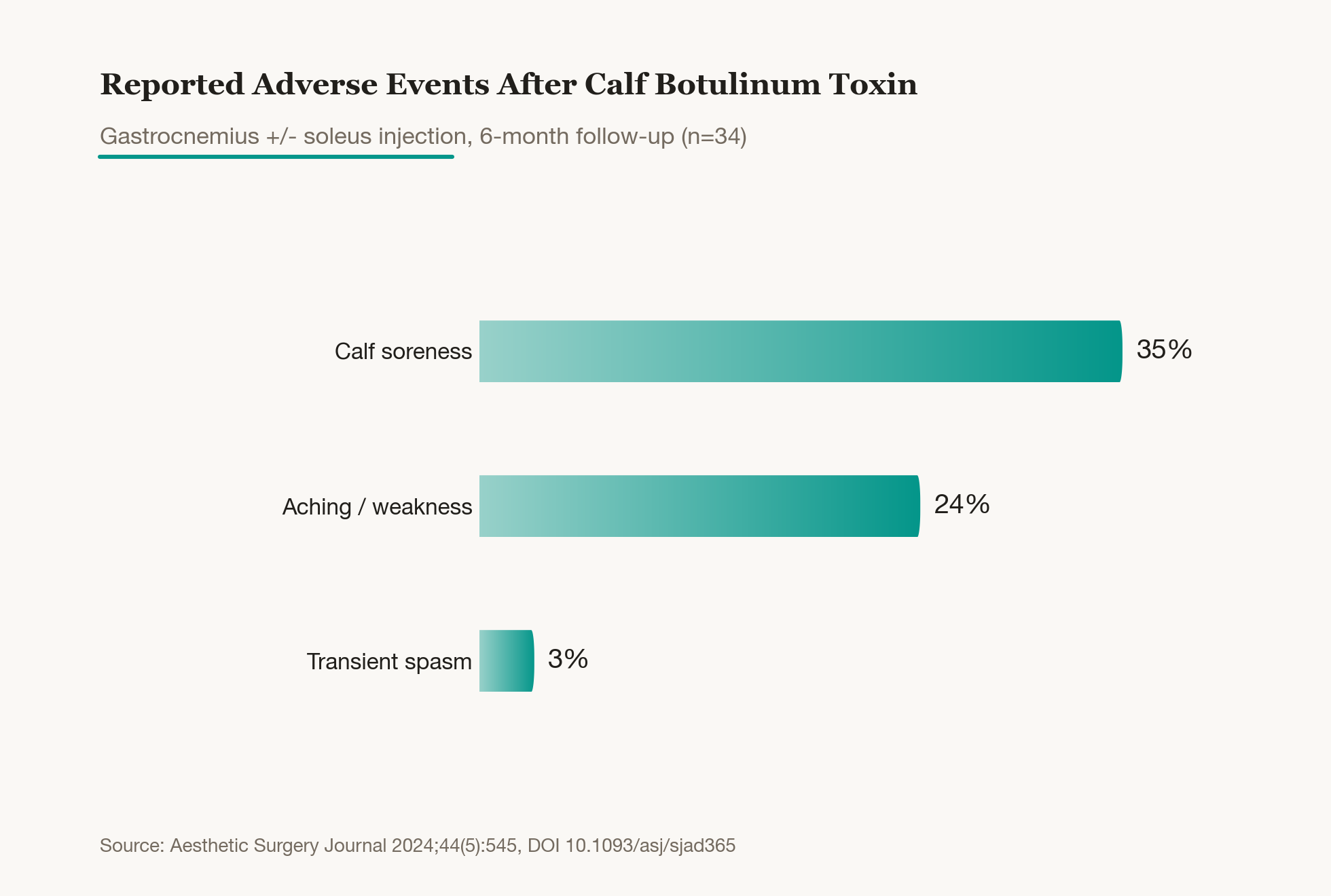
Side effects are generally mild and temporary. In a study that followed 34 people for 6 months, muscle soreness at the injection site was reported in 35%, and tolerable tingling or weakness in 24%, with most cases resolving within a month. Temporary muscle cramps were rare, occurring in about 3%.
Since the gastrocnemius is used for walking and running, its effect on muscle strength and gait may be a concern. In a study analyzing gait before and after treatment in 15 people, calf volume decreased noticeably at both the 1-month and 3-month marks, but basic walking measures like gait speed and stride length showed little change. That said, subtle changes were seen in balance during the moment of shifting weight from both feet to one foot, showing that while the overall walking pattern stays the same, balance sensation can shift slightly.
For that reason, people who regularly run or hike are better off starting with a lower dose and watching how they respond. There is no reversal agent, so if strength drops more than expected, the only option is to wait for the effect to wear off over time. By confirming the muscular type first, carefully choosing the injection points and dose, and managing the result with repeat treatment, calf Botox can smooth out the leg line without seriously affecting how you walk.
Was this helpful?
About this article
Written by a practising aesthetic physician and intended for general education — not a substitute for individual medical advice.
Read next
Neck Band Botox: Results, How Long It Lasts, and Precautions
The vertical bands that stand out on the neck are caused by contraction of a thin muscle called the platysma. Botox works by reducing the strength of that muscle, softening how much the bands stand out. Here is how this muscle creates vertical lines and how Botox acts on it.
By Dr. Kim

Parotid Botox and Masseter Botox: Differences and Effect Compared
Parotid gland Botox injects botulinum toxin into the parotid salivary gland to shrink its volume and slim the jawline. It targets a different tissue and location than masseter Botox, which works on muscle. Here is what the evidence says about dosing, how long it lasts, and side effects like dry mouth.
By Dr. Kim

Fraxel for Acne Scars: Effects, Pigmentation, and Side Effects
How fractional lasers like Fraxel work on acne scars, why results differ so much by scar type, how real the PIH risk is on Asian skin, and what the research actually shows about how much improvement to expect: scars soften, they don't vanish.
By Dr. Kim