Botox Resistance: Causes, Treatment Interval and Does It Weaken the More You Get It?
By Dr. Kim7 min read

Every so often you hear about Botox that used to work beautifully suddenly not smoothing things out the way it once did. Bumping up the dose doesn't always help either.
This is usually called Botox resistance. Behind it is an immune response, your body recognizing the Botox as a foreign substance and blocking it. Once you understand the mechanism, why this happens and how to steer around it makes a lot more sense.
What is Botox resistance?
Botox, or botulinum toxin, works by blocking the release of a signaling chemical called acetylcholine at the nerve ending, the messenger that tells muscles to move. With the signal cut off, the muscle can't contract, and that's what smooths out the wrinkle.
Resistance means that same signal blocking doesn't happen as strongly anymore, even with the same dose. The muscle keeps moving normally and the wrinkle stays put. If raising the dose doesn't change much, resistance is worth considering.
That said, it isn't common. Most people keep getting consistent results with repeat treatments, and resistance only shows up in a smaller subset. It's a bit like how most people keep responding to the same cold medicine even after taking it many times. Still, knowing the mechanism ahead of time means you won't panic if the effect starts feeling off, you can work through the possible causes calmly instead.
Why does resistance develop?
Botulinum toxin is a protein. Whenever the immune system encounters an unfamiliar protein, it treats it as a possible invader and gears up to respond, the same way it reacts to bacteria or viruses.
What the immune system produces in response is neutralizing antibodies. Think of an antibody as a lock custom shaped to fit that particular toxin. Before the toxin even reaches the nerve cell, this lock attaches to it first and blocks the site where it would normally act. So even if the toxin makes it to the nerve, it can no longer do its job.
The catch is that once these antibodies form, they tend to stick around in the body for a long time. That means the next time you get the same toxin, the antibodies grab onto it first and the effect falls short. This explains a pattern some people notice: the first three to five sessions smooth things out nicely, and then at some point, even with the same dose in the same spot, the expression barely changes anymore.
Difference between complex protein products and pure toxin
Not every Botox product contains only the toxin itself. Many also include a supporting ingredient called a complexing protein, which surrounds the toxin. Think of the complexing protein as packaging, it helps keep the toxin stable during storage and transport.
The problem is that this packaging protein is still an unfamiliar protein as far as the body is concerned. When several types of foreign material arrive at once, the immune system tends to react more sharply, similar to how security tightens up when several unfamiliar visitors show up together.
Pure toxin formulas, on the other hand, go through a purification process that strips out most of this extra protein, so the body encounters fewer types and a smaller amount of unfamiliar material overall. It's a bit like packing light, less packaging material means fewer strange objects mixed into the box. That's why these formulas are considered to carry a lower risk of triggering antibodies with repeated use. If you're curious which formula is being used before your treatment, this is something worth asking your provider.
Does a short interval make resistance more likely?
Even with the same ingredient, how often you get injections has a big effect on antibody formation. Frequent, closely spaced exposure tends to make the immune system remember that protein more firmly and respond faster and harder the next time, similar to a booster effect from repeated vaccination.
Spacing sessions out further, on the other hand, lowers the odds that the immune system treats each one as a fresh threat. That's why most guidance recommends at least three months between sessions. If the effect seems to fade early, tightening the schedule to compensate can actually raise the risk of resistance instead of solving anything. Compare someone who redoses after just one month because the effect felt like it wore off early with someone who waits the full three months as recommended, the latter feels far less like a repeat threat to the immune system, which is why fewer antibodies tend to form.
If the effect is weak, can you raise the dose?
When the effect feels weaker, the instinct is often to reach for a higher dose. But frequent high doses are also reported as one of the factors that speeds up antibody formation. The more unfamiliar protein that enters the body overall, the more chances the immune system gets to react.
That's why the advice is to use only the minimum effective dose needed for the goal. If the effect feels insufficient, it makes more sense to check the interval between sessions or the formula being used before simply raising the dose. Compare someone getting far more than the standard dose for frown lines, repeated often, with someone using just enough for the area that needs it, the total amount of unfamiliar protein accumulating in the body is different, and so is the likelihood of antibodies forming.
How to check if you suspect resistance
It's hard to conclude resistance right away just because the effect feels weaker than before. Injection site, depth, and individual muscle characteristics can all affect how strong the result feels. A few approaches can help narrow down the cause.
- Test injecting a small amount in a different area: if the response is missing only in one specific spot, technique may be the issue, but if the response is weak across multiple areas, antibody formation becomes more likely.
- Switching to a pure toxin formula: even if antibodies formed against the complexing protein in the previous formula, a product with a different composition may still work.
- Reviewing your recent treatment history: looking back at whether the interval was too short or the dose kept climbing can help pinpoint the cause.
These checks are best worked through with a provider rather than figured out alone.
Can antibodies, once formed, disappear?
Once antibodies form, they tend to stay in the body for a long stretch, so a full reset isn't easy. That doesn't mean it's permanent, though.
Reports suggest that if enough time passes without further exposure to that ingredient, antibody levels can gradually decline. The immune system tends not to hold onto that memory as strongly once the stimulation stops. That said, how long it takes and how much it drops varies a great deal from person to person, so no single timeframe applies to everyone.
If resistance is confirmed, a practical option often suggested is taking a break of six to twelve months from that same class of formula, or switching to a pure toxin product with lower immunogenicity. Rather than pushing forward with an even higher dose, it's considered better to give the body's response time to settle first.
Habits that help prevent resistance
Since reversing antibodies once they've formed isn't easy, managing things so they never form in the first place is the more realistic approach.
- Stick to the recommended interval between sessions: shorter intervals give the immune system more chances to remember the toxin often and strongly.
- Use only the minimum effective dose for the area and purpose that need it: less unfamiliar protein entering the body means fewer opportunities for antibodies to form.
- Track your formula choices and treatment history together with your provider: keeping a record of which formula, when, and how much makes it much easier to pinpoint the cause if the effect starts fading.
Sticking to these three habits consistently can meaningfully lower the risk of resistance. More than anything, if the effect fades a bit, checking the cause first rather than rushing to increase the dose or frequency is what actually keeps the results lasting longer.
References
Korean Dermatological Association, Ministry of Food and Drug Safety (MFDS), American Academy of Dermatology (AAD), and U.S. Food and Drug Administration (FDA).
Was this helpful?
About this article
Written by a practising aesthetic physician and intended for general education — not a substitute for individual medical advice.
Read next
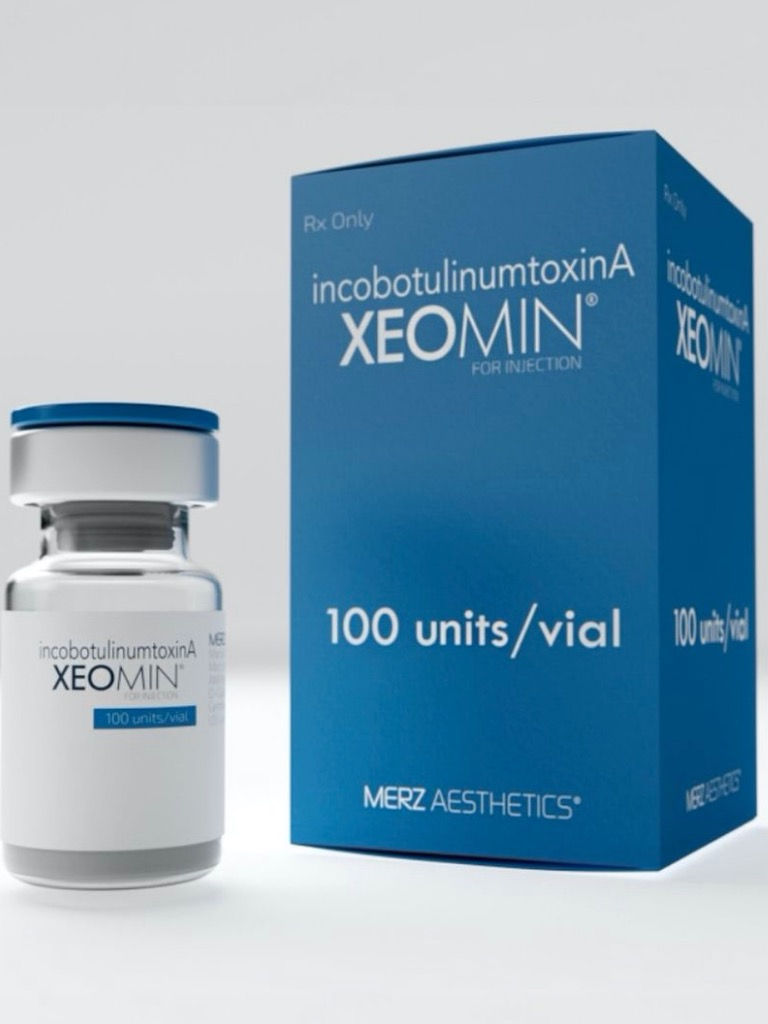
Xeomin Resistance and Effect Differences: Comparison With Botox and Limits
Does Botox actually cause resistance with repeated injections? What neutralizing antibodies are, why they form, what Xeomin's complexing-protein-free formulation theoretically changes, and where the clinical evidence falls short. A clinician's honest breakdown.
By Dr. Kim
Gummy Smile Botox Effects, Duration, and Side Effects
A gummy smile happens when your gums show more than usual as you smile, and an overactive lip-lifting muscle is one of the most common causes. Botox works by slightly reducing the strength of that muscle so your lip doesn't rise as high when you laugh. Here's how to tell whether muscle is really the cause, plus how long the results tend to last.
By Dr. Lee
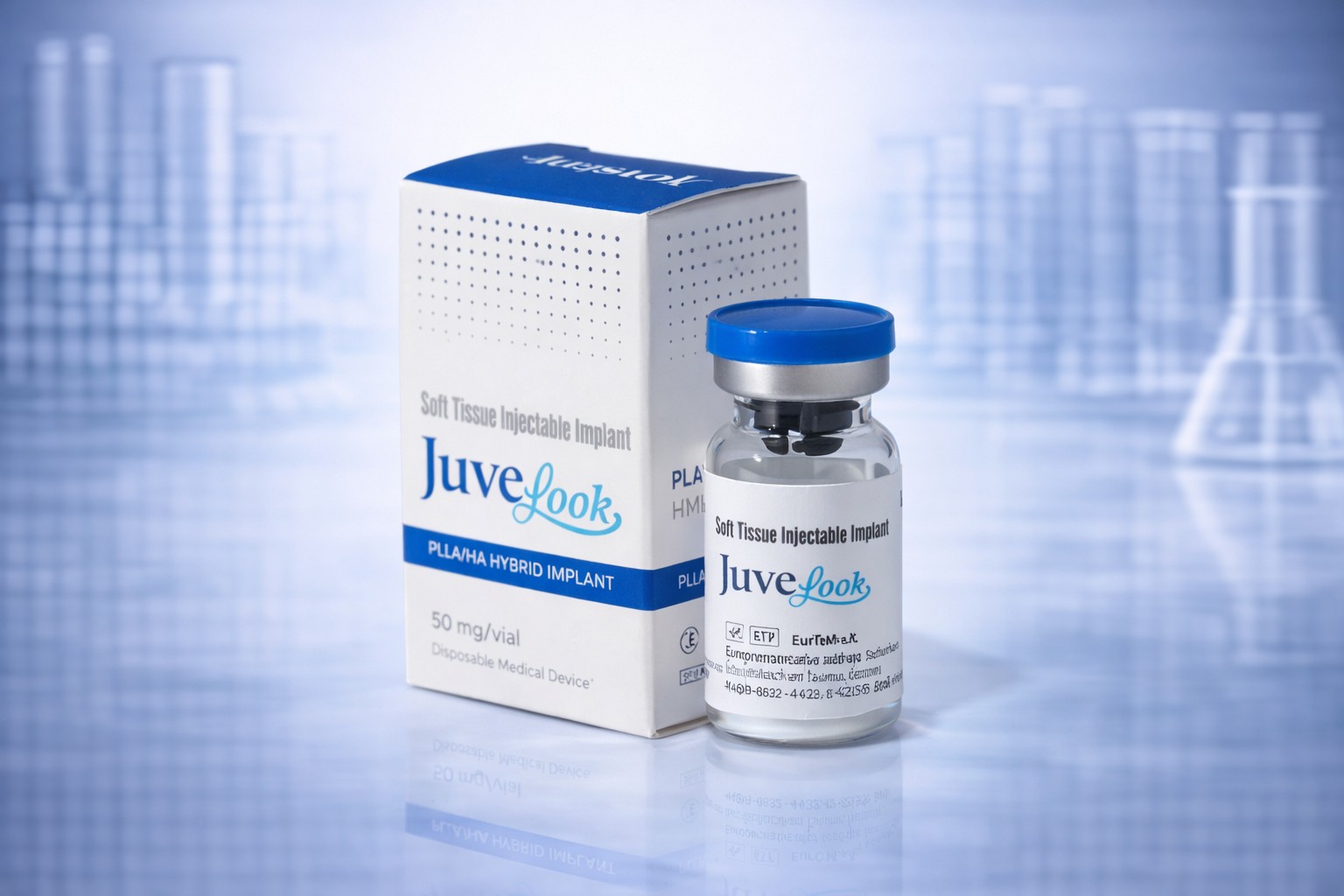
Juvelook: When Effects Appear and How Long They Last, Dewy Glow Versus Volume
The dewy glow you feel right after a Juvelook treatment and the collagen volume that slowly builds over 6 weeks to 6 months actually come from two completely different mechanisms. This article breaks down, step by step with simple comparisons, how PDLLA, Juvelook's key ingredient, drives your body to produce collagen.
By Dr. Kim