Body Tightening: Effects, Duration and Precautions After Treatment
By Dr. Lee7 min read
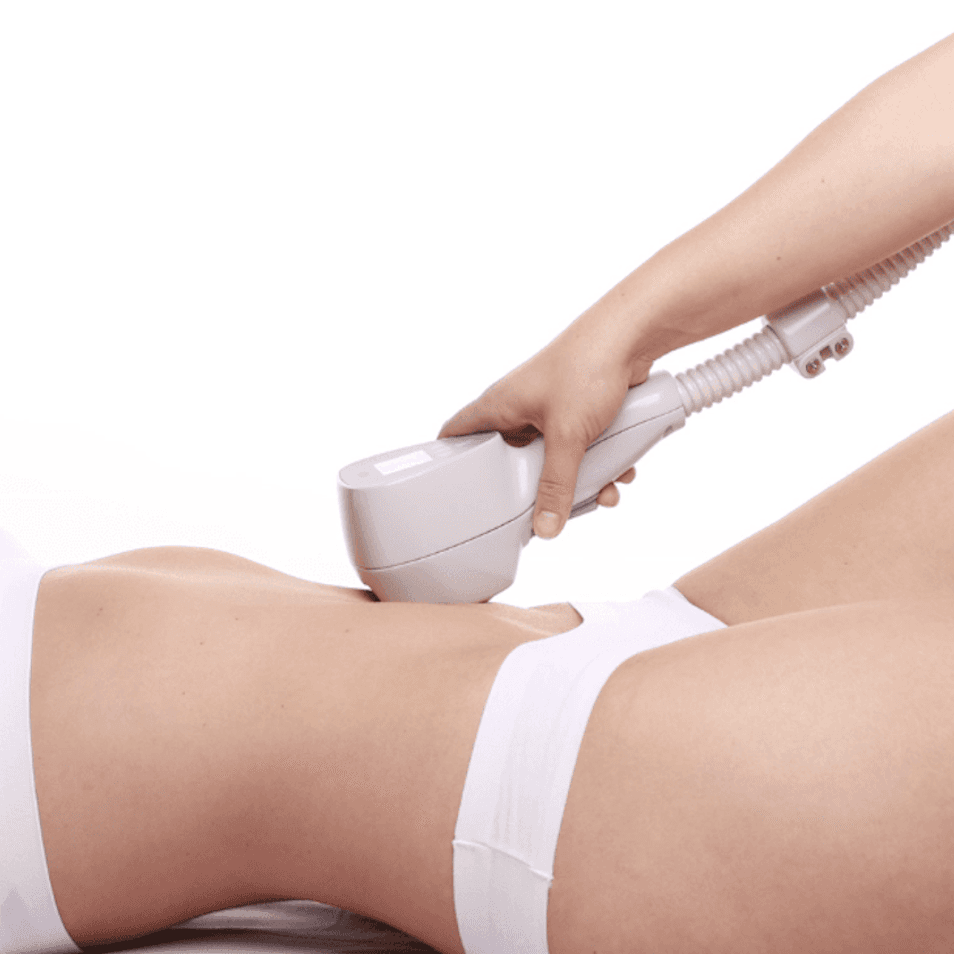
Most people picture body tightening as a simple idea: heat tightens the tissue and turns loose skin firm again. That is not wrong, but it is only half the story. If tightening were all it did, it would not explain why so many people notice smoother, firmer skin months after the treatment rather than right away.
What actually happens is that when heat energy is delivered to areas prone to sagging, like the upper arms, abdomen, or inner thighs, that heat stimulates fibroblasts in the dermis, and new collagen gradually fills in over the following weeks and months. Some people do feel a slight tightening sensation right after treatment, but that is not the collagen fibers shrinking on the spot. It is closer to a temporary reaction, tissue swelling and increased blood flow from the heat stimulus. The real change in firmness comes later, from the new collagen that slowly accumulates. Let's walk through why heat works this way.
Why doesn't sagging skin tighten again?
Two proteins in the dermis hold the skin up from underneath: collagen and elastin. Collagen acts like scaffolding that supports the skin, while elastin works like a rubber band, stretching and snapping back to give skin its bounce.
As we age, the fibroblasts that produce these two proteins gradually slow down. And areas that deal with gravity constantly, like the upper arms, abdomen, and flanks, go through repeated stretching that loosens the collagen and elastin structure itself. It is a bit like the elastic in a pair of stockings worn too many times: it stretches out and stops snapping back. That is why flexing the muscle underneath no longer makes the skin above it feel taut.
How does RF heat the skin?
Radiofrequency, or RF, is one of the most common technologies used in body tightening. It sends electrical energy into the skin, and the tissue's own resistance to that current generates heat. It works on the same idea as a microwave heating water: the water molecules vibrate and heat themselves from the inside. Skin tissue does something similar, generating its own heat.
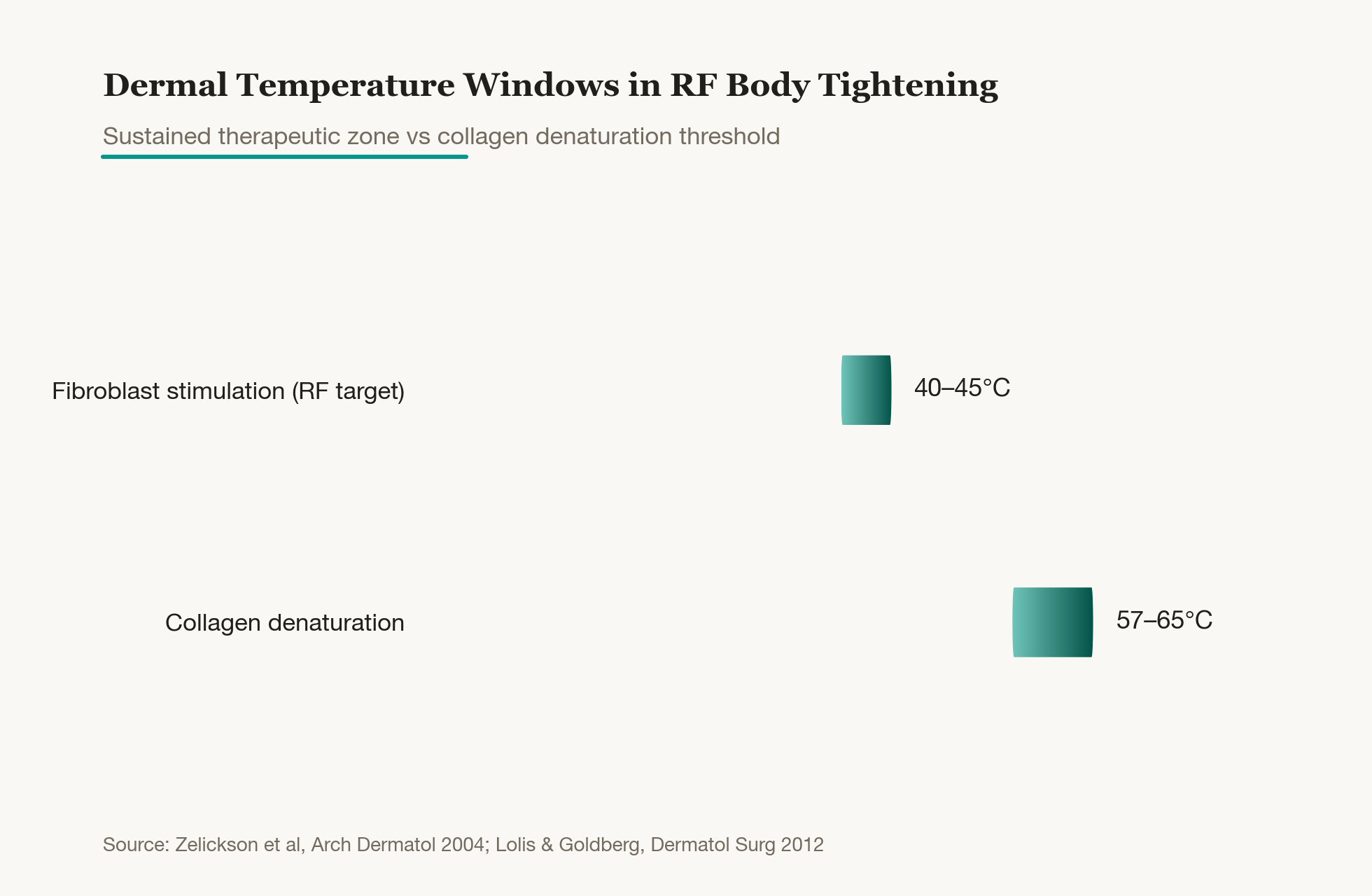
The key here is holding the dermis between 40 and 45 degrees Celsius for a set amount of time. At that temperature, though, the collagen fibers do not actually shrink on the spot. For the fibers themselves to visibly shorten, the triple helix structure that makes up collagen needs to unwind, and that requires a much higher temperature, somewhere around 57 to 65 degrees Celsius. Think of cooking noodles: leave them in lukewarm water and they barely change shape, but drop them into a full boil and they shorten and soften.
That is why RF devices used for body tightening avoid pushing past 57 degrees, where the risk of burns rises sharply, and instead hold a comparatively safe range of 40 to 45 degrees for a set duration. At this range, the fibers do not physically contract, but the heat acts as a signal that switches fibroblasts into a more active state. Rather than tightening existing collagen directly, the treatment wakes up the cells that build new collagen.
That is also why some people feel a bit of tightness the day of the treatment or within a few days afterward. It is not the collagen fibers actually shrinking, just tissue swelling and increased blood flow from the heat stimulus. That early sensation fades within days, and the real transformation begins afterward, as fibroblasts get to work producing new collagen.
How does new collagen form in the heated area?
This is where the real mechanism of body tightening lies. The body treats heat-induced stimulation somewhat like a wound. Just as a burned area turns red, swells, and slowly grows new skin, the dermis exposed to heat switches on a similar, much milder healing response.
During this recovery process, fibroblasts migrate to the area and produce new collagen and elastin. The heat stimulus also increases blood flow to the area, and with more blood flow, fibroblasts get better access to oxygen and nutrients, which keeps the healing response running more actively. Old collagen gets cleared out while new collagen is laid down, and bit by bit, the entire dermis is rewoven.
That is why many people continue to notice improvement even after the initial post-treatment swelling has gone down. Several studies using tissue biopsies have in fact reported increased collagen density in the dermis after heat stimulation. That said, how strongly this response shows up varies quite a bit from person to person, depending on age, skin condition, treatment area, and energy intensity.
How is ultrasound different from RF?
Alongside RF, ultrasound, or HIFU, is another technology commonly used in body tightening. Where RF heats a broad area of skin fairly evenly, ultrasound is known for focusing energy into a single point, creating small, precise coagulation points at a targeted depth. It works something like a magnifying glass concentrating sunlight onto one spot to burn paper.
Each of these small coagulation points triggers a localized healing response around it, prompting new collagen production much like RF does. But because the energy is delivered in tight, focused points rather than across a broad surface, ultrasound is generally described as better suited to precisely stimulating deeper layers rather than evenly tightening a wide area. In practice, the two technologies are often combined, or one is chosen over the other depending on the treatment area and goal.
What decides how long results last?
How long body tightening results hold up is not down to a single factor. A number of things are known to work together, including the following.
- Energy intensity and number of sessions: Fibroblasts respond actively only when enough heat reaches the dermis. That is why collagen buildup tends to be more noticeable after several sessions spaced a few weeks apart rather than after just one.
- Skin thickness and condition at the treatment site: Thinner areas like the upper arms and comparatively thicker areas like the abdomen differ in how deep the heat penetrates and how much tissue responds, so the same energy setting can feel different depending on where it is applied.
- Individual collagen-building capacity and lifestyle: Younger skin with strong natural healing tends to produce new collagen more readily. Sun exposure and smoking, on the other hand, speed up the breakdown of existing collagen, which can shorten how long newly built collagen sticks around.
- Weight changes: A significant weight gain or loss after treatment can stretch or sag the skin again, which can undo some of the tightening effect. The volume the skin has to support simply changes.
- Number and extent of treatment areas: Treating a broad area like the arms or abdomen in one session stimulates a larger surface of tissue, which tends to expand the range where new collagen forms as well.
Body tightening results are generally reported to last somewhere between six and twelve months, though the range is wide given everything listed above. Going in with expectations shaped by your own skin condition and habits makes the most sense.
Precautions and care after treatment
The main goal during recovery is simply not to interfere with the process of building new collagen. Recovery is typically described as lasting four to twelve weeks, and a few habits during that window can help.
For the first few days after treatment, it helps to avoid adding extra heat to the area, things like hot compresses or saunas. Piling more heat onto tissue that has already been stimulated can push the healing response into overdrive. Staying well hydrated is also recommended, since the newly forming collagen needs water as it settles into place.
It is also best to avoid deep massage or heavy pressure on the treated area early in recovery. Physical pressure on tissue that is still settling can actually slow the healing process down. Sun protection matters just as much, since UV exposure speeds up the breakdown of newly formed collagen.
References
Korean Dermatological Association, American Academy of Dermatology (AAD), and Ministry of Food and Drug Safety (MFDS).
Was this helpful?
About this article
Written by a practising aesthetic physician and intended for general education — not a substitute for individual medical advice.
Read next
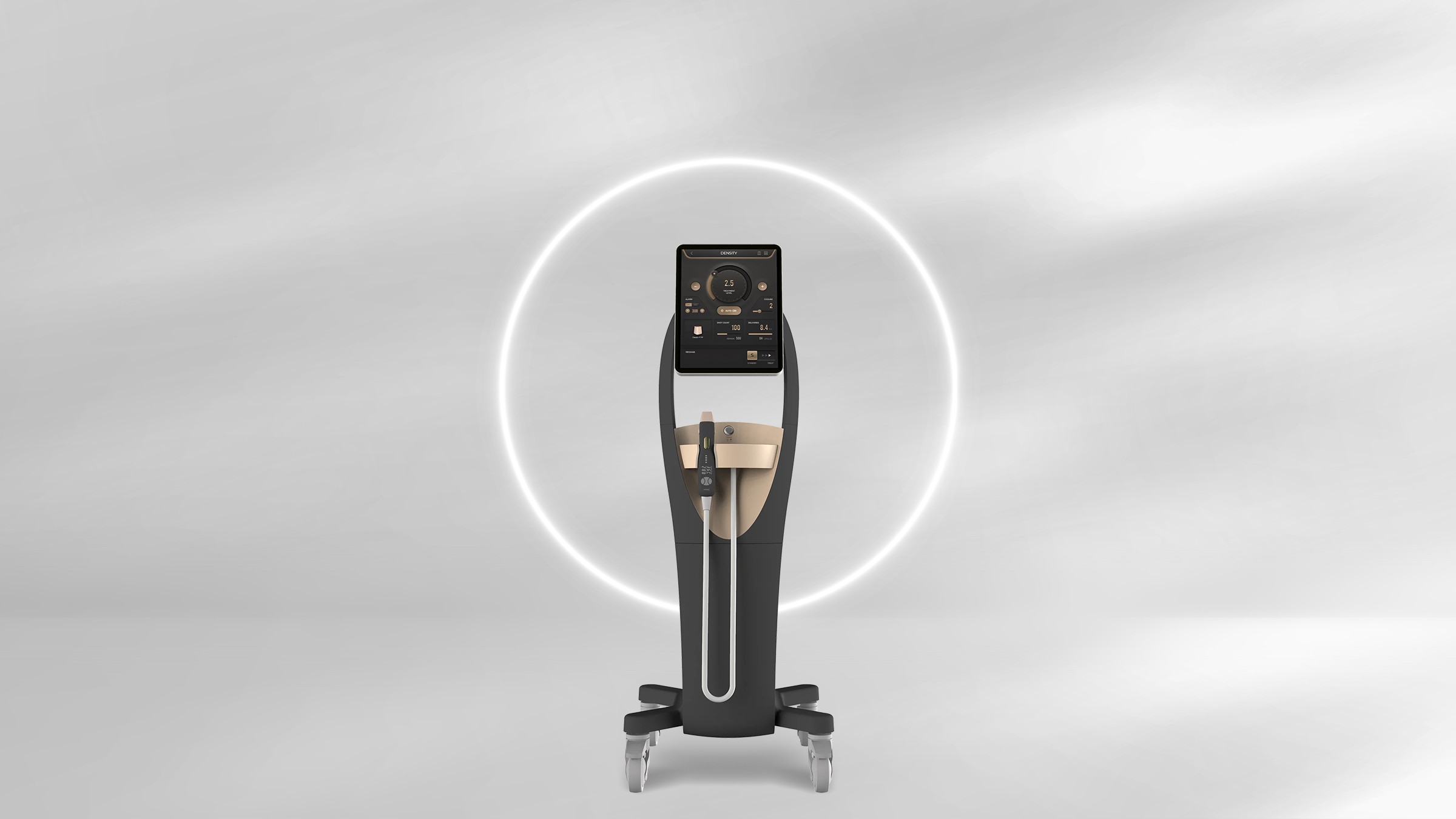
Density RF Effects: How Many Sessions and How Long Do Results Last?
Density RF pairs two radiofrequency modes with very different personalities to chase two goals at once: the instant tightening you feel right after treatment, and the collagen renewal that builds slowly over the following 4 to 12 weeks. Here is why two modes are needed, the order in which heat actually works inside the skin, and why the treatment is spread across multiple sessions instead of done all at once.
By Dr. Kim
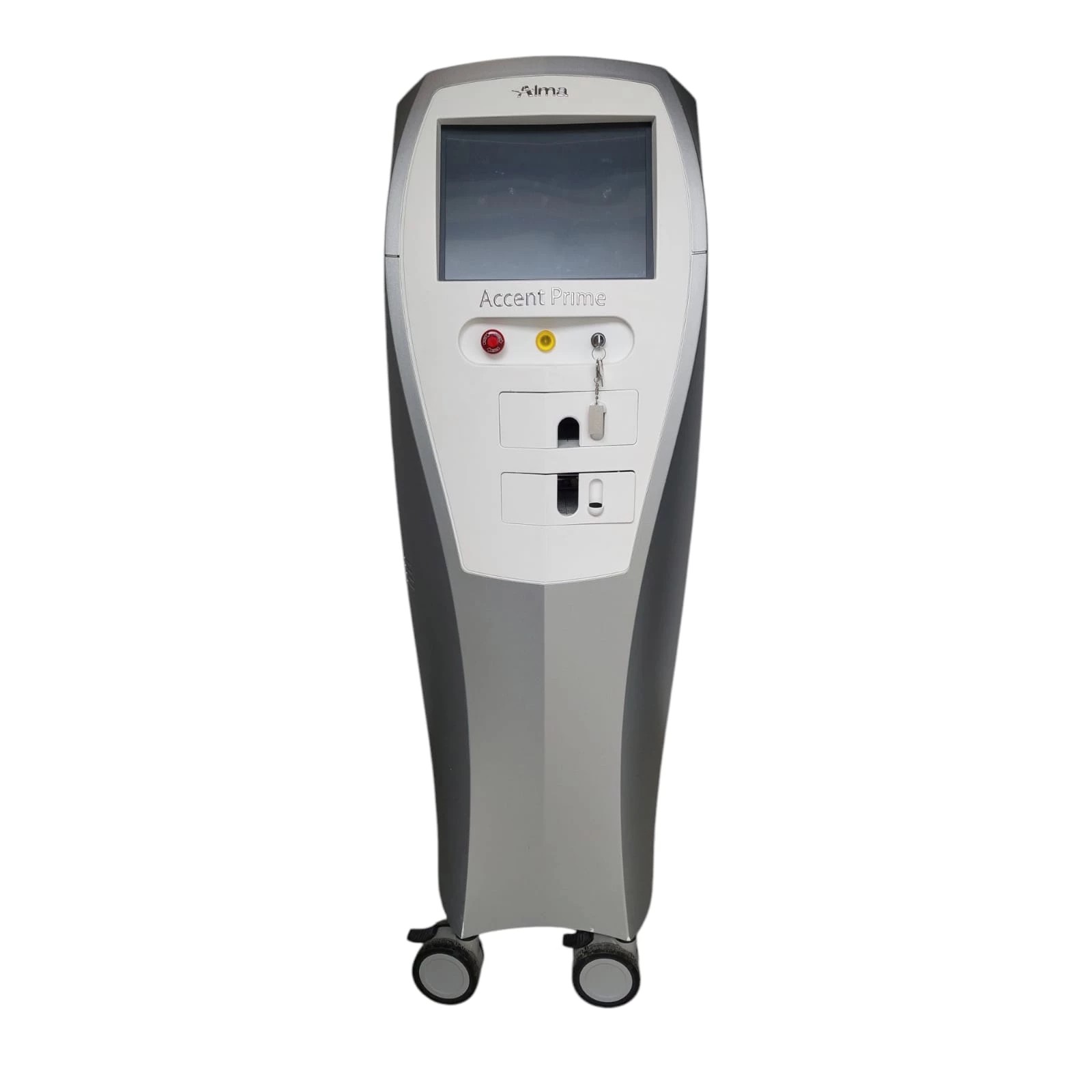
TuneFace Radiofrequency: How It Works, Effect, Duration and Aftercare
TuneFace is an RF lifting treatment performed with Alma Lasers' Accent Prime device. A 40.68 MHz radiofrequency current moves water molecules inside the skin so fast that it generates heat, which tightens a sagging jawline and encourages new collagen. Here is how that heat works in sequence, and how long the results tend to hold.
By Dr. Kim
Why Sculptra Takes 4 Weeks to Show, and How Long It Lasts
Sculptra volume does not appear right after injection. It builds gradually over 4 to 12 weeks because the ingredient itself does not fill space instantly, it works by stimulating collagen production in the skin. Here is a close look at how PLLA triggers that collagen response and why treatment is spread across 2 to 4 sessions.
By Dr. Lee