Underarm Odor: Causes, Antiperspirants and Botox Treatment
By Dr. Kim7 min read
Sweat itself doesn't actually smell. And yet there are certain spots, the underarms especially, where odor becomes something people worry about constantly. To understand why, you have to separate two things that get lumped together: sweating and smelling. They're not the same process at all. The body has two distinct types of sweat glands, and odor isn't something sweat produces on its own, it's the byproduct of bacteria feeding on it. Once you split these two threads apart, it becomes a lot clearer why certain areas are the problem spots, and what's actually happening when antiperspirants, deodorants, and Botox work to control it.
Why is underarm odor so strong?
Sweat glands are spread across the entire body, but apocrine glands (the odor-producing sweat glands) are clustered heavily in the underarms and groin. These glands stay dormant until puberty, when hormonal changes switch them on. That's why odor that never bothered you as a kid can suddenly become a real concern in your teens.
The sweat that apocrine glands produce is loaded with fat and protein, far more than the watery sweat you get elsewhere. Think of it less like clear water and more like a thick, oily fluid mixed with protein. On its own, this fluid is nearly odorless. But it happens to be an ideal food source for the bacteria living on your skin. The more apocrine glands packed into an area, the more bacteria thrive there, and the stronger the odor gets.
How many types of sweat glands are there?
Sweat glands fall into two main categories. One is the eccrine gland, which regulates body temperature, and the other is the apocrine gland mentioned above. Eccrine glands are spread across nearly the entire body, including the palms and soles, and produce a clear sweat that's mostly water and salt. Most of the sweat you notice when it's hot or after exercise comes from here.
Sweat from eccrine glands is essentially odorless on its own. Its whole purpose is cooling the body down, so its composition is kept simple by design. Apocrine glands, on the other hand, exist only in specific locations, the underarms, groin, and around the ears, and they ramp up production sharply when you're stressed or emotional. That's also why underarms tend to sweat more before a big presentation or exam, even in a cool room.
How does sweat turn into odor?
As mentioned, sweat straight from an apocrine gland doesn't smell on its own. The odor starts once that sweat reaches the skin's surface, where resident bacteria, particularly Corynebacterium and Staphylococcus species, begin breaking it down.
It's a process similar to food spoiling. When milk sits out too long, bacteria break down the lactose and proteins and produce that sour smell. Skin bacteria do the same thing with the fatty acids and proteins in sweat, breaking them into smaller molecules that carry a distinct scent. The main byproducts are short-chain fatty acids and sulfur-containing compounds, and these are essentially what people are smelling when they notice body odor.
Because of this, how much bacteria are actively multiplying matters more for odor intensity than how much you're actually sweating. It's also why two people can sweat the exact same amount and end up with very different levels of odor.
What's the difference between antiperspirants and deodorants?
Products aimed at sweat and odor split into two very different categories. There are antiperspirants, which reduce the sweat itself, and deodorants, which mask odor or slow bacterial growth without touching sweat production. They work through completely different mechanisms.
The active ingredients in antiperspirants are aluminum salts, most commonly aluminum chloride or aluminum chlorohydrate. When they contact the skin, they form a gel-like plug right at the opening of the sweat pore, temporarily narrowing the channel sweat travels through. It's a similar idea to pinching the end of a hose to thin out the flow of water.
Deodorants, by contrast, leave sweat production untouched. They rely on fragrance to cover odor, or antibacterial agents like silver compounds or triclosan to keep bacterial growth in check. So if excessive sweating itself is the main concern, an antiperspirant is the better fit, while someone who's mostly bothered by odor rather than sweat volume may get more out of a deodorant.
How does Botox reduce sweat, and how long does it last?
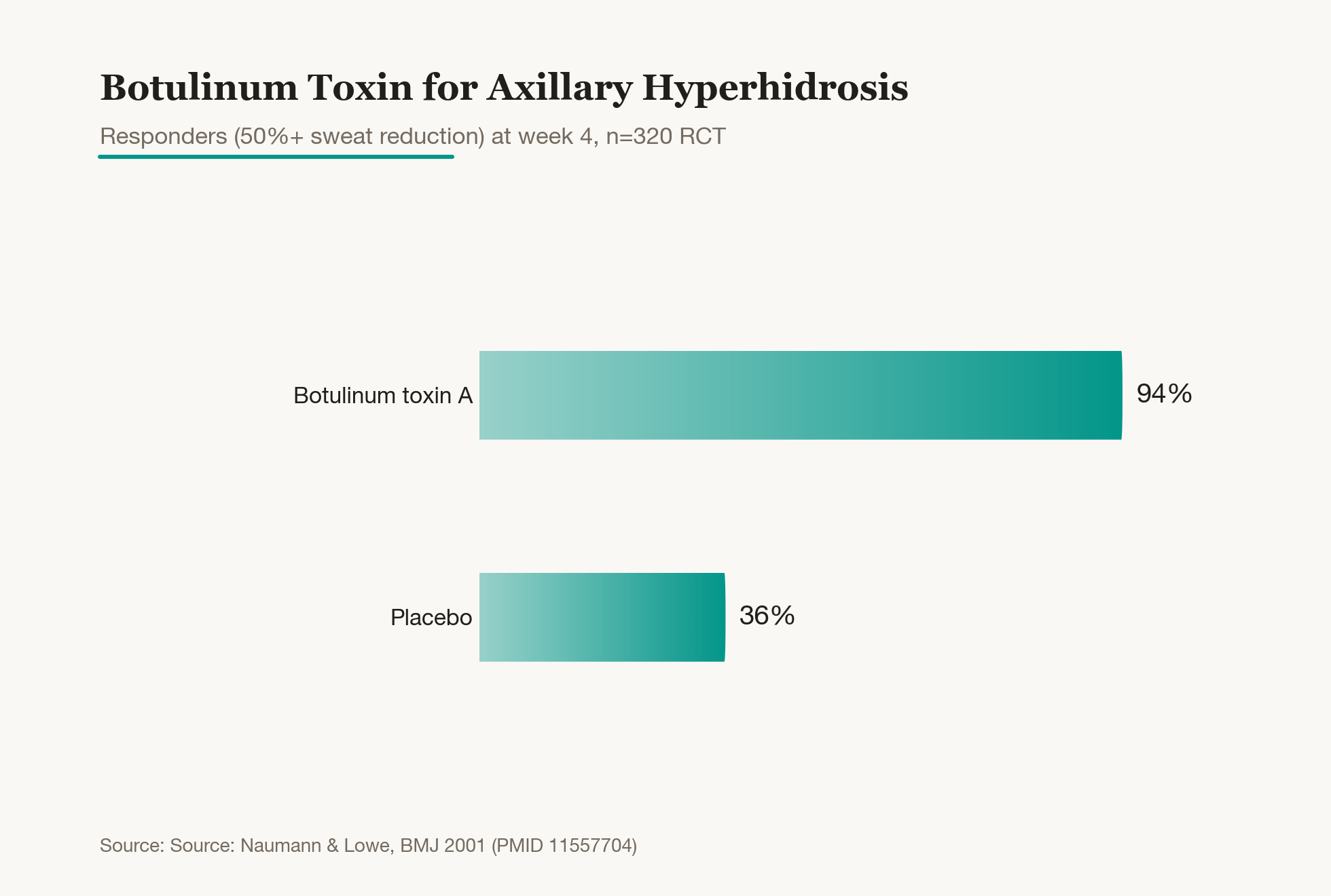
One approach to reducing sweat involves injections of botulinum toxin, better known as Botox. The mechanism is the same one used for facial wrinkles: it blocks the release of acetylcholine, the neurotransmitter that signals sweat glands to activate, at the nerve ending.
Sweat glands only start producing sweat once they receive that nerve signal. When Botox blocks the signal from getting through, the gland is essentially cut off from its instructions and stops functioning. Think of it as a light switch and a bulb, the bulb itself is perfectly fine, but if the wire connecting it to the switch is cut, the light simply won't turn on.
This effect is widely used to treat underarm hyperhidrosis (excessive sweating), and results typically last around 4 to 6 months, with some people reporting effects lasting closer to a year. Because nerve endings gradually regrow and form new connections over time, the effect isn't permanent.
Are there procedures that remove the sweat glands themselves?
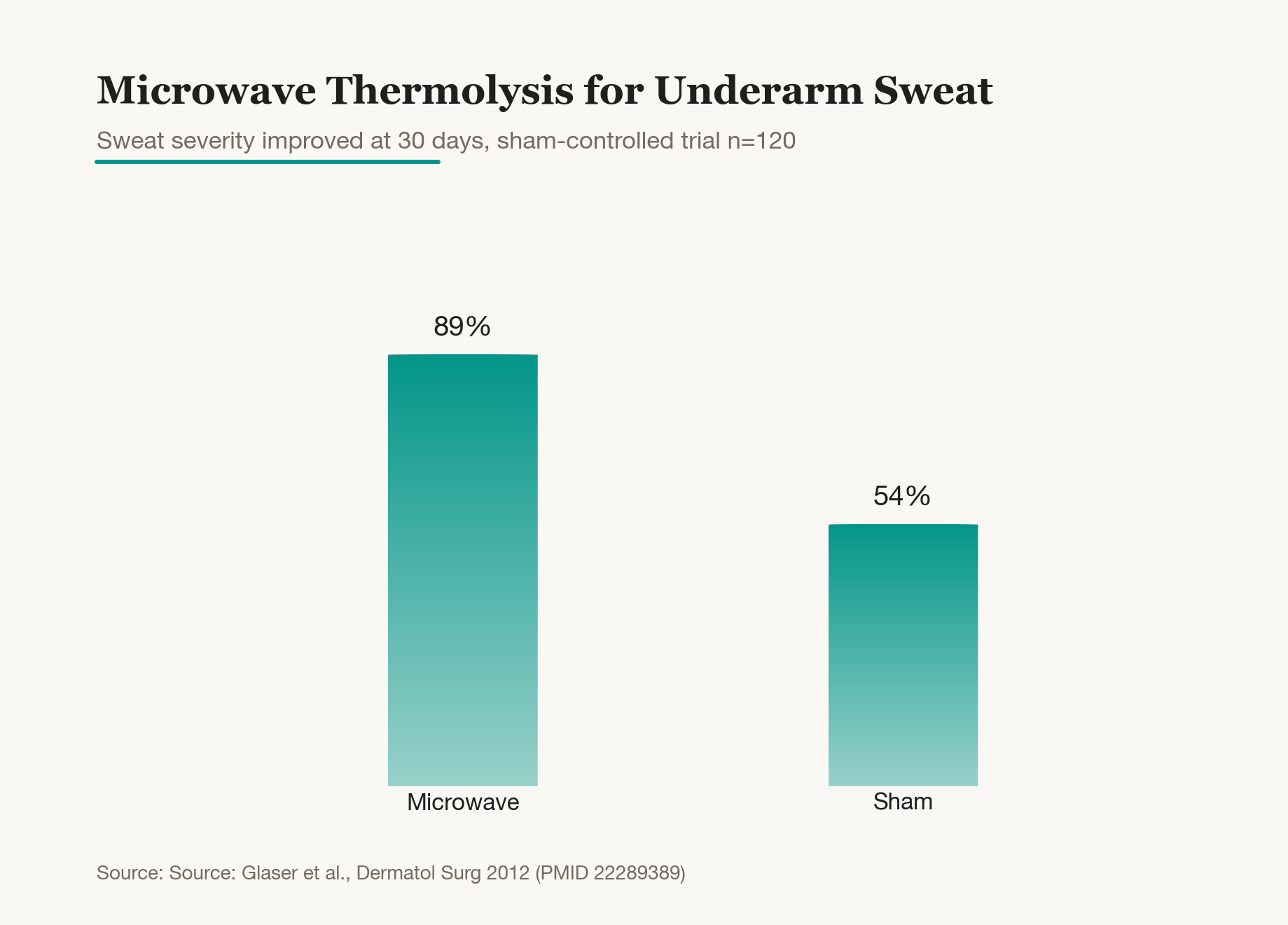
Antiperspirants and Botox both work by temporarily suppressing sweat gland activity. There's also a different category of procedure aimed at reducing the actual number of functioning sweat glands. The most well-known method delivers microwave energy deep into the skin.
Sweat glands sit right at the boundary where the dermis meets the fat layer underneath. When heat energy is delivered precisely to this depth, the sweat gland tissue is damaged and loses function permanently. It's a different approach than chasing individual bees one at a time, this one removes the hive itself.
Because damaged sweat glands don't regenerate, one or two sessions can often provide results that last a long time. That said, the treated area tends to be fairly broad, so some swelling and a tight, sore feeling for a few days afterward is common, and it's worth planning for a comfortable recovery window.
Daily habits that reduce odor without a procedure
Even without procedures or products, there are habits that make a real difference, and once you understand the mechanism, it's easy to see why each one works.
- Keep underarm hair trimmed short: Hair increases surface area, giving bacteria more room to settle in. Keeping it short reduces the space available for bacteria to grow.
- Wear breathable, natural fabrics: Synthetic materials trap moisture, while cotton and linen let sweat evaporate faster. The longer moisture lingers on skin, the more favorable the environment becomes for bacteria.
- Wash off sweat as soon as you reasonably can: It takes time for bacteria to break down sweat components. The longer sweat sits on skin, the further that breakdown progresses, and the more odor-causing compounds build up.
- Cut back on spicy food and alcohol: Spicy, oily foods and alcohol are known to make sweat composition somewhat more concentrated. Richer sweat gives bacteria more material to break down.
None of these habits work instantly, but each one interrupts a different step in the process that creates odor. Kept up consistently, they add up to a real difference.
References
Korean Dermatological Association, American Academy of Dermatology (AAD), and Ministry of Food and Drug Safety (MFDS).
Was this helpful?
About this article
Written by a practising aesthetic physician and intended for general education — not a substitute for individual medical advice.
Read next
Rosacea Types and Causes: Medication and Laser Treatment
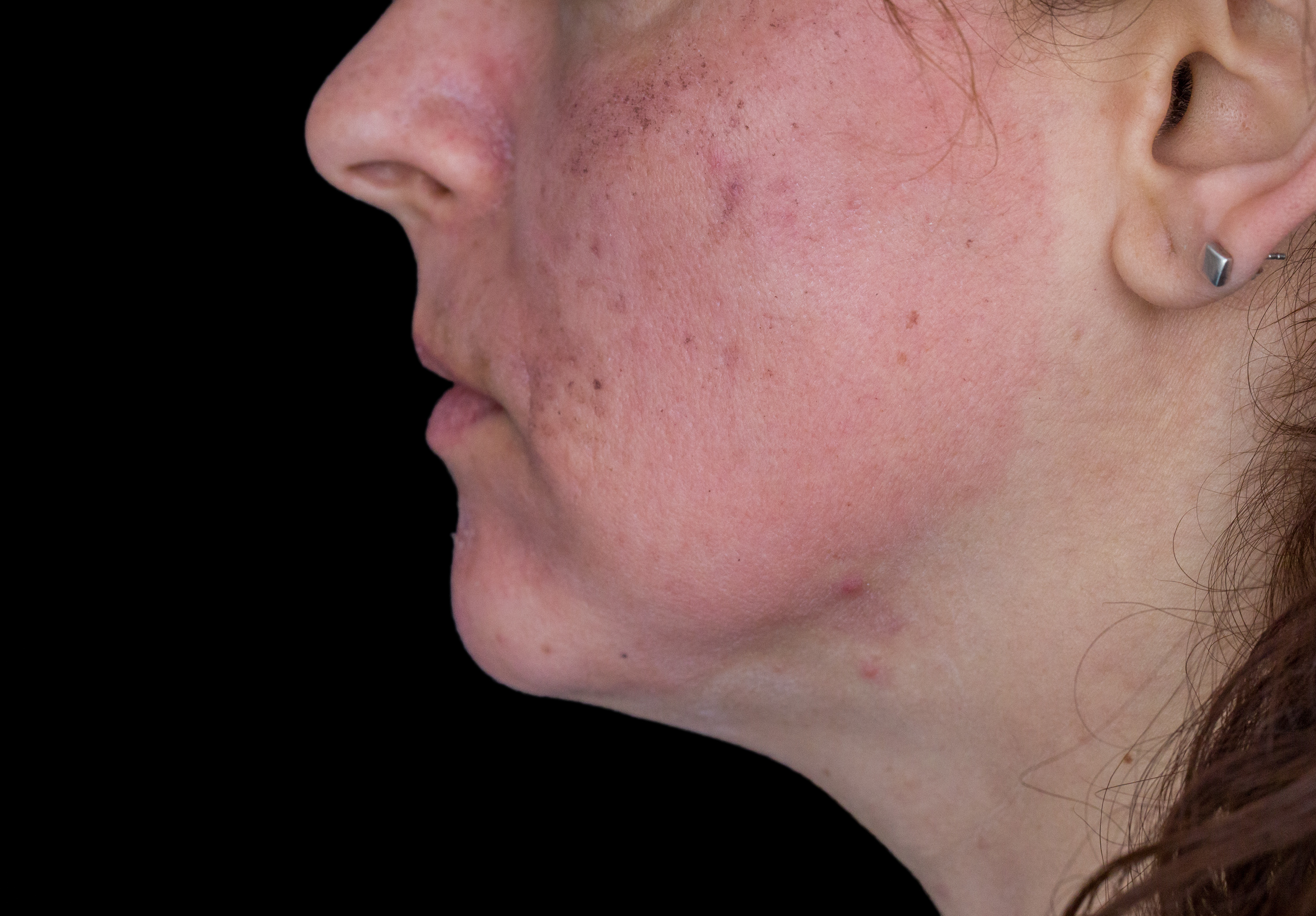
Persistent redness on the cheeks with recurring small bumps is often more than simple flushing, it can be rosacea. Here's how erythematotelangiectatic, papulopustular, phymatous, and ocular rosacea differ, what triggers flares like sun, stress, and alcohol, and how metronidazole, azelaic acid, ivermectin, oral medication, and vascular laser treatment work, all backed by real research numbers.
By Dr. Kim
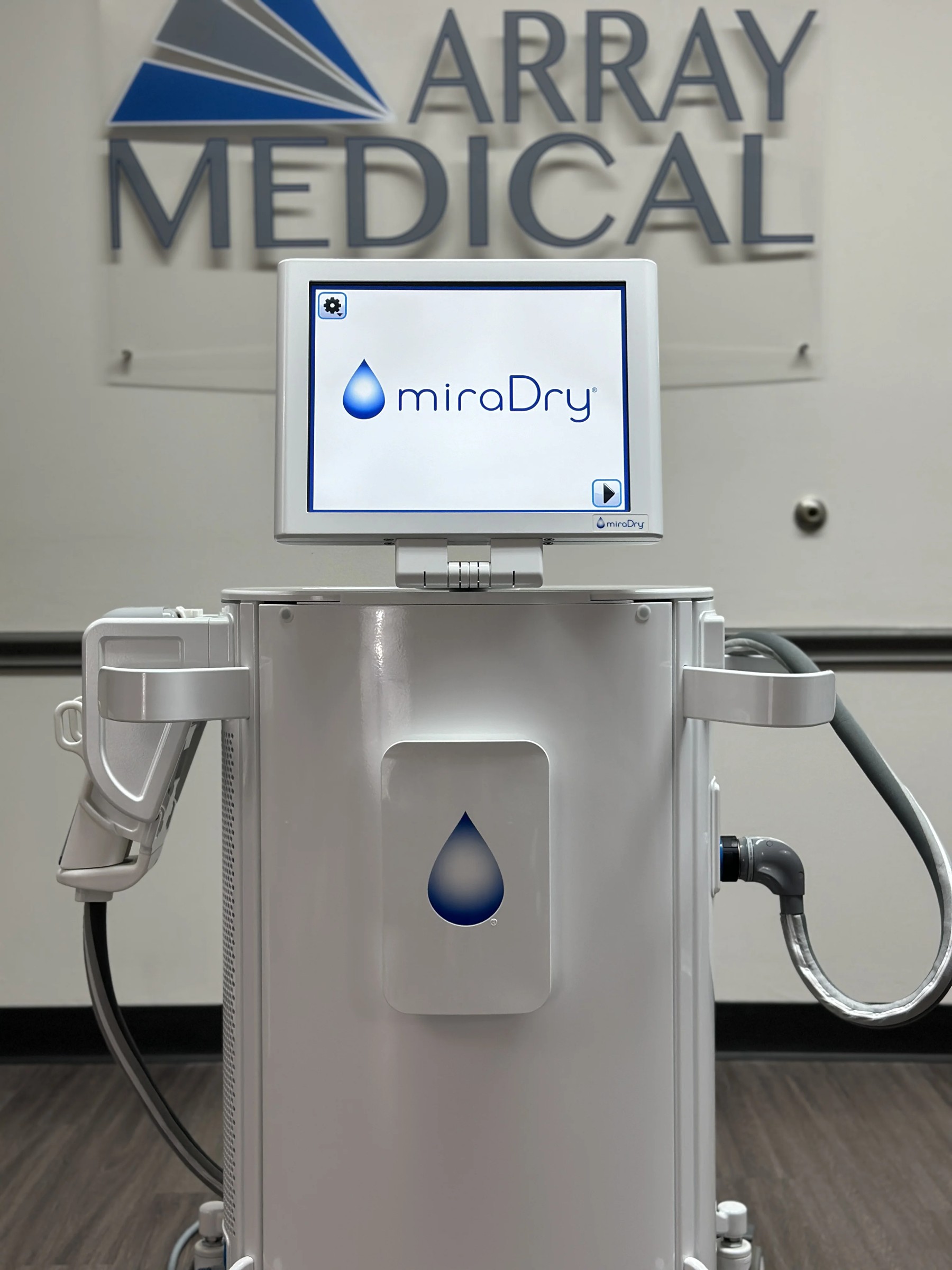
miraDry Underarm Sweat Treatment: Results, How Long It Lasts, Sessions, and Recovery
miraDry uses microwave energy to heat and destroy the sweat and odor glands in the underarms. Here's how it differs from Botox, why the glands never grow back, and what sessions and recovery involve, explained through the mechanism.
By Dr. Lee
Causes of Excess Sebum: Is It Hormones or Stress?
Sebum output isn't decided by the oil glands alone. Androgens are the hormone that tells the glands how hard to work, and puberty, the menstrual cycle, stress, and blood sugar swings all feed into that same signal. Here is how the hormone-gland relationship explains those sudden oily days.
By Dr. Lee