Why Do Aesthetic Treatment Prices Differ 2 to 3 Times Between Clinics?
By Dr. Lee9 min read
Price lists for aesthetic treatments get more confusing the longer you stare at them. The same named procedure can cost two or three times more at one clinic than another, and after a consultation the final bill often ends up far higher than you expected. It is genuinely hard to know what counts as a normal price.
But most of that price difference has a reason behind it. Once you understand the reason, it becomes much easier to decide where to spend and where to hold back. This is not a guide to haggling down a quote. It is a breakdown of why treatment costs are set the way they are, and why overtreatment and bundled upselling are worth watching out for.
Why does the same treatment cost different amounts at different clinics?
Even for the exact same treatment, the real cost behind the scenes can differ, and that is what splits the price. The name on the menu looks identical, but what actually happens in the room is often not.
First, the equipment generation and authenticity differ. Even within the same device family, a newer genuine unit and an older one can have very different output and safety engineering. Older machines, or off-label devices used outside their approved indication, cost less to run, so they are cheaper, but the consistency of results and the safety margin can be lower. The money saved there sometimes comes back as the cost of a repeat treatment later.
Second, the actual dose delivered is what really separates the price. Take ultrasound lifting as an example. Firing 300 shots and firing 600 shots use very different amounts of consumables, so of course they cost differently. Filler and botulinum toxin work the same way. Even for the same area, using a different actual volume naturally changes the price. So it is a mistake to judge a deal as cheap just from the advertised number. A lower price often means fewer shots or a smaller dose, and once you calculate the price per unit, it can actually turn out more expensive.
Third, the doctor's skill and how much time goes into the consultation are baked into the price. With the same device, results still depend on where the energy is delivered and how well the practitioner reads your facial structure. A clinic that spends real time on diagnosis and consultation simply carries higher fixed costs.
So a cheaper clinic is not automatically a bad deal, and a pricier one is not automatically better. The real point is to compare apples to apples, the same device and the same dose. Line up final prices without matching those conditions first, and the comparison itself falls apart.
What to decide before the consultation
Most people waver in the consultation room because they walk in without any criteria set. Decide on three things beforehand, and whatever the clinic suggests, you can simply check it against your own standard.
- Narrow your priorities down to one or two concerns. Here is why: if you try to fix pores, elasticity, and pigmentation all at once, you lose the ability to tell which treatment actually worked, and your budget runs out fast. It is better to start with whatever bothers you the most right now.
- Set a spending ceiling. Think beyond today's bill and set an annual budget that includes maintenance. That is what keeps a consultation from snowballing into a bigger purchase than you planned.
- Check your downtime window in advance. Decide how much redness or swelling you can afford to live with, and for how long. If an important event is coming up and you push ahead anyway, you may end up meeting people while still mid-recovery, which is a common regret.
What are the signs of an upsell?
Aggressive sales pitches tend to share a few common signals. Once you know why each one is a red flag, they get much easier to spot.
Being offered an expensive package before any real diagnosis. Why is that a problem? Sagging that looks the same on the surface can come from lost elasticity or from shifted fat, and the right treatment depends entirely on which one it is. Skip the diagnosis and jump straight to a pricey bundle, and you can end up paying for a treatment that has nothing to do with your actual concern.
Pressure to pay in full the same day. "Today only" discounts exist specifically to rush your decision. If you prepay for several sessions in a hurry and then it turns out not to suit your skin, or you get a side effect, getting that money back is genuinely difficult. A clinic worth trusting will not change its terms much if you come back in a few days.
Being told to prepay for more sessions than you actually need. Everyone responds differently to treatment. It is safer to try two or three sessions, confirm the results, and then decide whether to continue. Prepay a long course before you have seen how your skin reacts, and you are locked in even if you want to change direction.
Guaranteeing results outright. Be careful of anyone who says a fixed number of sessions will definitely work. The same treatment gives different results depending on skin condition and lifestyle. The more absolute the promise, the wider the gap can be between what was promised and what actually happens.
Asking the following questions in a consultation helps filter out these warning signs.
- What do you believe is causing my current concern?
- Why does this specific treatment address that cause?
- Can I start with just a few sessions and continue based on how I respond?
- Is the equipment and consumable you are using genuine and officially approved?
How to save money without risking safety
Saving money and staying safe are not actually in conflict. Follow the steps in order and you can have both. Each step exists for a reason.
Start by diagnosing the cause. Pick a treatment based on symptoms alone, and you are likely to waste money. Dullness caused by pigmentation and dullness caused by dryness need completely different treatments. Match the treatment to the actual cause, and the same money goes much further.
Work through your priorities one at a time, starting with the highest. Doing everything at once burns through your budget fast, and it also makes it impossible to tell which treatment was actually responsible for any improvement. Taking things one step at a time lets you make a clearer, better informed decision at the next step.
Add sessions based on how you actually respond. The reason not to prepay a long course upfront is simple: confirming your skin's response first, then continuing, minimizes your potential loss. If the results fall short of expectations, you can simply stop partway through.
Confirm the equipment and consumables are genuine and properly approved. This is not the place to cut corners, since the risk grows quickly if you do. Non-genuine tips or cartridges cannot guarantee consistent output or safety, and results become far less predictable. Cheaper consumables mean a wider range of possible outcomes.
Calculate the full cost including maintenance. Most aesthetic treatments are not a one-time thing. Look at the cost over a full year rather than the price of a single session, and you get a much more honest picture of the real burden. Do the math this way, and a single flashy low-price event has far less power to sway you.
Can you trust rock-bottom promotions?
Not every rock-bottom event is a trap. Plenty of clinics run genuine promotions to attract new patients, and there are real cases where you can get a treatment cheaply with no strings attached. Still, understanding how bait pricing works can help you avoid getting caught out.
Bait offers typically work by using an advertised price to get you through the door, then steering you toward a different, more expensive treatment once you arrive. For example, an extremely low price might only apply to the smallest possible volume or the minimum number of shots, and reaching the effect you actually want could require an additional payment on top. In that case, the final bill ends up looking very different from the advertised number.
So the moment you see an advertised price, the important thing is to check the actual conditions it applies to. Ask what dose and how many sessions that price covers, and whether there is a pattern of the total climbing through add-on charges once you show up. There is no need to avoid these events altogether. Just hold firmly to the budget ceiling you already decided on, and you can pick out the genuinely good deals.
What to check before you sign
Run through the list below before signing anything, and you will have far fewer regrets later. Each item on this list is a common source of real disputes.
- Confirm that today's treatment, number of sessions, and total price are all written down clearly. Verbal explanations alone can change later.
- Check the refund policy for any prepaid sessions. Whether you can get your money back if you decide to stop midway depends entirely on this.
- Confirm that the equipment and consumables used are described as genuine and officially approved. Both safety and how consistent your results will be come down to this.
- Confirm you were told about possible side effects and downtime. Go in without knowing your recovery window, and your schedule can end up in disarray.
- Check that no treatment you did not want has been bundled in. Items you did not need to decide on today can still end up folded into the total.
There is really only one thing worth remembering. A good clinic welcomes patients who want time to think it over, and never rushes anyone into paying on the spot. Being a smart consumer here mostly comes down to information and pace. Ask enough questions and refuse to be rushed, and that alone filters out a large share of unnecessary treatment.
References
Korean Dermatological Association, Ministry of Food and Drug Safety (MFDS), Korea Consumer Agency (KCA), and American Academy of Dermatology (AAD).
Was this helpful?
About this article
Written by a practising aesthetic physician and intended for general education — not a substitute for individual medical advice.
Read next

5 Treatments for Enlarged Pores: Results and Recovery Time Compared
Which cosmetic treatments actually work for enlarged pores? Here are the top 5 evidence-based options with real improvement numbers, why pores can never fully disappear, and how to choose safely for your skin type. All figures come from actual research data, nothing inflated.
By Dr. Kim

Botox, Filler, and Laser: How Many Weeks Before a Wedding Should You Get Them?
Botox, filler, and laser toning all settle in and heal on completely different timelines. Here is how far ahead of your event date to schedule each treatment, and the biology behind why.
By Dr. Lee
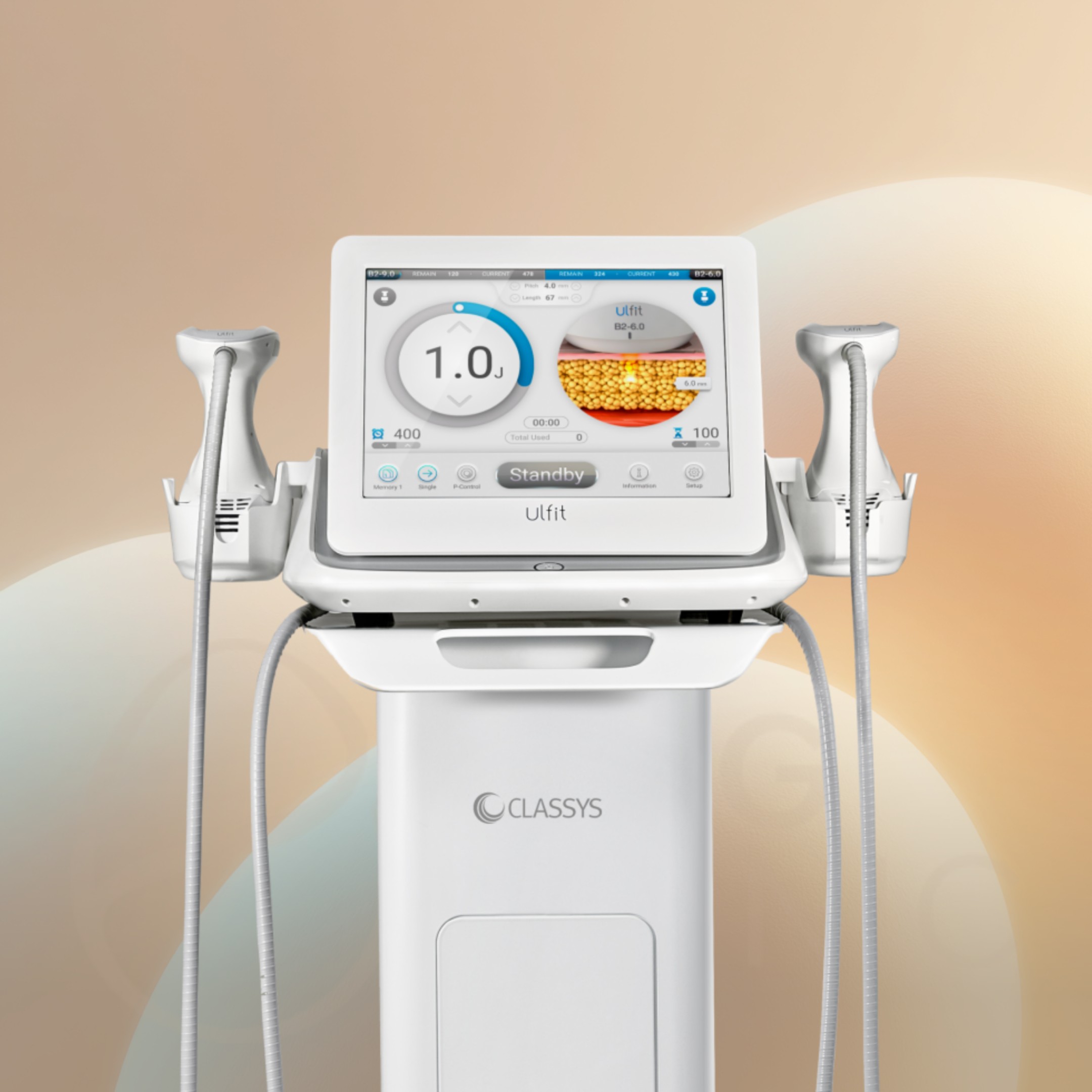
Ulfit Body HIFU Fat Reduction Effect: How Many Sessions Do You Need?
Ulfit Body HIFU is a non-surgical body contouring treatment that focuses ultrasound energy on the fat layer beneath the skin, gradually shrinking fat cells with heat. Here is a principle-first look at why the ultrasound heats only fat and nothing else, how that destroyed fat actually leaves your body, why the settings differ from facial HIFU, and roughly how many sessions and how much maintenance you can expect.
By Dr. Kim