Winter Dry Skin: Causes and Care, Including Ceramides
By Dr. Lee6 min read
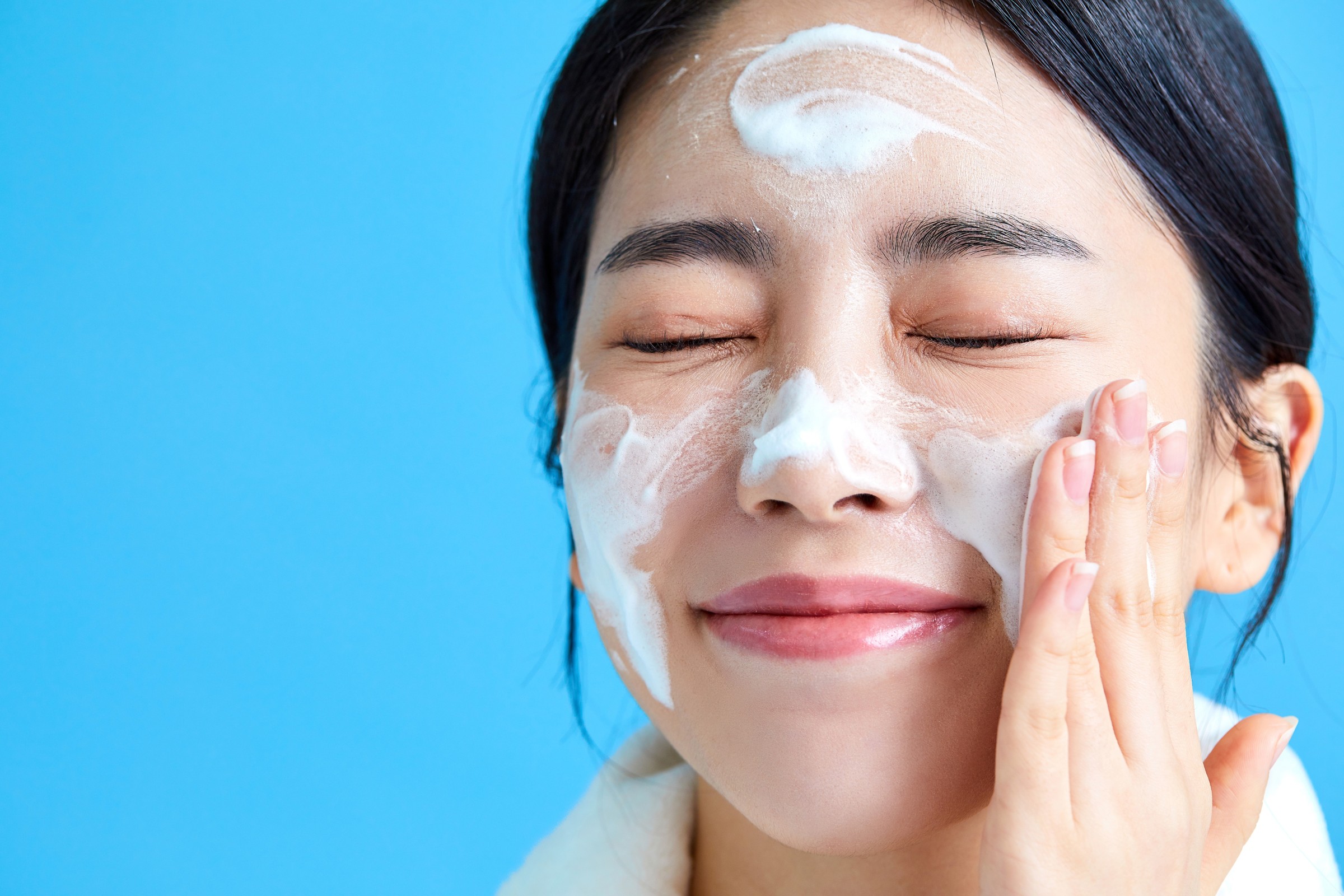
A lot of people notice their skin gets unusually tight and starts flaking white once winter sets in. There's a clear reason skin that behaves fine all summer suddenly reacts this way in the cold: temperature and humidity drop together, and moisture leaves the skin's surface much faster than usual.
The issue doesn't stop at simple dryness, either. Once the skin barrier weakens, itching, sensitivity, and even fine lines can show up alongside it. That's why winter skincare is about more than just adding another moisturizer. It helps to understand why the barrier breaks down in the first place, so you can address it the right way.
Why Does Skin Get Dry in Winter?
When temperatures drop, the air itself simply holds less moisture. Indoors, heating makes things worse, often pushing humidity down to around 20%. Dry air pulls moisture toward itself more aggressively, so water keeps leaving your skin's surface even when you're not doing anything that would normally cause it.
Add cold wind on top of that, and blood flow to the skin's surface slows down, which in turn reduces sebum production. Sebum forms a thin oily film on the skin that helps keep moisture from escaping, so when there's less of it, that protective lid gets thinner. This is one reason transepidermal water loss, or TEWL, the amount of moisture that escapes from the skin into the air, is reported to rise more sharply in winter than in summer.
Why Does the Skin Barrier Thin First?
The skin barrier is often compared to a brick wall. If corneocytes, the flattened skin cells at the surface, are the bricks, then ceramide (the lipid that fills the space between them), fatty acids, and cholesterol act as the mortar. When this structure is tightly packed, moisture can't escape and irritants can't get in.
Once winter dryness sets in, that mortar layer thins out first. Gaps start to open between the bricks, so moisture escapes more easily, while irritants like dust and detergent residue slip in more easily too. That's why skin can suddenly sting or turn red from products it never reacted to before.
How Do Ceramides Fill the Barrier?
Applying a ceramide-containing cream to skin that's running low on ceramide works a lot like refilling the mortar between those bricks. Several studies have found that skin regularly moisturized with ceramide products shows reduced transepidermal water loss and higher water content in the stratum corneum.
That said, ceramide alone isn't enough. Skin also relies on natural moisturizing factor, or NMF, which forms when filaggrin (a protein inside skin cells that breaks down to produce NMF) is broken down. NMF is what actually holds onto water once it's there. So restoring the barrier properly means filling in the ceramide "wall" while also replenishing the ingredients that trap moisture.
Ingredients That Draw Water and Ingredients That Seal It
Moisturizing ingredients generally fall into two categories: those that draw moisture in, and those that seal it in place. Hyaluronic acid and glycerin are humectants. They pull water from the air or from deeper layers of skin and hold it in the stratum corneum, much like a sponge soaking up water.
Petrolatum (the main ingredient in Vaseline) and facial oils, on the other hand, form a thin film on the skin's surface that keeps that moisture from evaporating. If you only use humectants, they can actually pull moisture out of deeper skin layers when the surrounding air is dry, as it often is in winter, leaving skin drier than before. That's why layering a sealant on top of a humectant is the safer approach in cold weather.
In What Order Should You Apply Moisturizers?
Right after cleansing, while skin still has some moisture on it, applying a hyaluronic acid or glycerin product first draws that remaining water into the stratum corneum and holds it there. Layering a ceramide or petrolatum cream on top afterward seals that moisture in, essentially putting a lid on it before it has a chance to evaporate.
Reversing the order makes the whole routine far less effective. If a heavy, oily cream goes on first, the watery product applied afterward can't penetrate and just sits on the surface instead. So the rule of thumb is to move from the lightest, most watery texture to the thickest, so each ingredient can actually do its job.
Do Hot Showers Make Dryness Worse?
In winter, it's tempting to linger under hot water, but this habit can make dryness worse. Hot water strips away the skin's protective oil film far more effectively than cool water does, the same way hot water dissolves and rinses off grease more easily than cold water.
For that reason, it's better to keep showers lukewarm and brief. And once you step out, apply moisturizer quickly, ideally within about three minutes, before your skin fully dries. The goal is to lock in the moisture still sitting in the stratum corneum before it has a chance to evaporate.
Room Humidity and Lifestyle Care
Moisturizer alone isn't enough. What's happening around you matters just as much. A few habits work together to make a real difference:
- Keep indoor humidity between 40% and 60%: Air that's too dry pulls moisture from your skin more aggressively, while air that's too humid can encourage mold and bacteria, so this range is generally recommended.
- Clean the humidifier tank regularly: Bacteria and mold can build up inside a humidifier, and that can end up irritating your airways and skin instead of helping them.
- Cut back on exfoliating acids: Exfoliants like AHA and BHA thin the stratum corneum, which can weaken the barrier further, so it's best to use them less often during winter.
- Add a niacinamide product to your routine: Niacinamide is known to support ceramide synthesis and help the barrier recover, so it pairs well with a winter moisturizing routine.
- Shield your skin from cold wind with a scarf or mask: Less direct exposure to cold wind means less moisture loss over time.
Each of these habits looks small on its own, but together they close off several different paths through which the barrier tends to break down, which makes them worth keeping up.
How Long Does Barrier Recovery Take?
The skin barrier doesn't bounce back in a day or two. Studies generally report that it takes about four to eight weeks of consistent care before stratum corneum water content and transepidermal water loss show a noticeable improvement. That's simply how long it takes for the lipids and skin cells that make up the barrier to rebuild.
So rather than switching products every few days because you don't see instant results, sticking with one product for at least a month tends to do more for barrier recovery. That said, if a product causes increasing stinging or redness while you're using it, stop right away. That's the safer call.
Even after the seasons change and spring arrives, a barrier damaged over winter doesn't snap back to its previous state right away. Rising temperature and humidity only speed up recovery slightly, since the lipids and skin cells that make up the barrier still need to rebuild gradually over time. That's why it helps to keep following the moisturizing routine you built up over winter for a while even after the weather warms, so the barrier can fully recover.
References
Korean Dermatological Association, American Academy of Dermatology (AAD), and Ministry of Food and Drug Safety (MFDS).
Was this helpful?
About this article
Written by a practising aesthetic physician and intended for general education — not a substitute for individual medical advice.
Read next
Skin Trouble in Changing Seasons: Causes and Care, Including Cleansing and Moisturizing
During seasonal transitions, temperature and humidity swing hard in a short window, and the skin barrier and oil glands get thrown off together. Here's why breakouts cluster during this time, plus the science behind rebuilding the barrier and a practical care routine.
By Dr. Kim
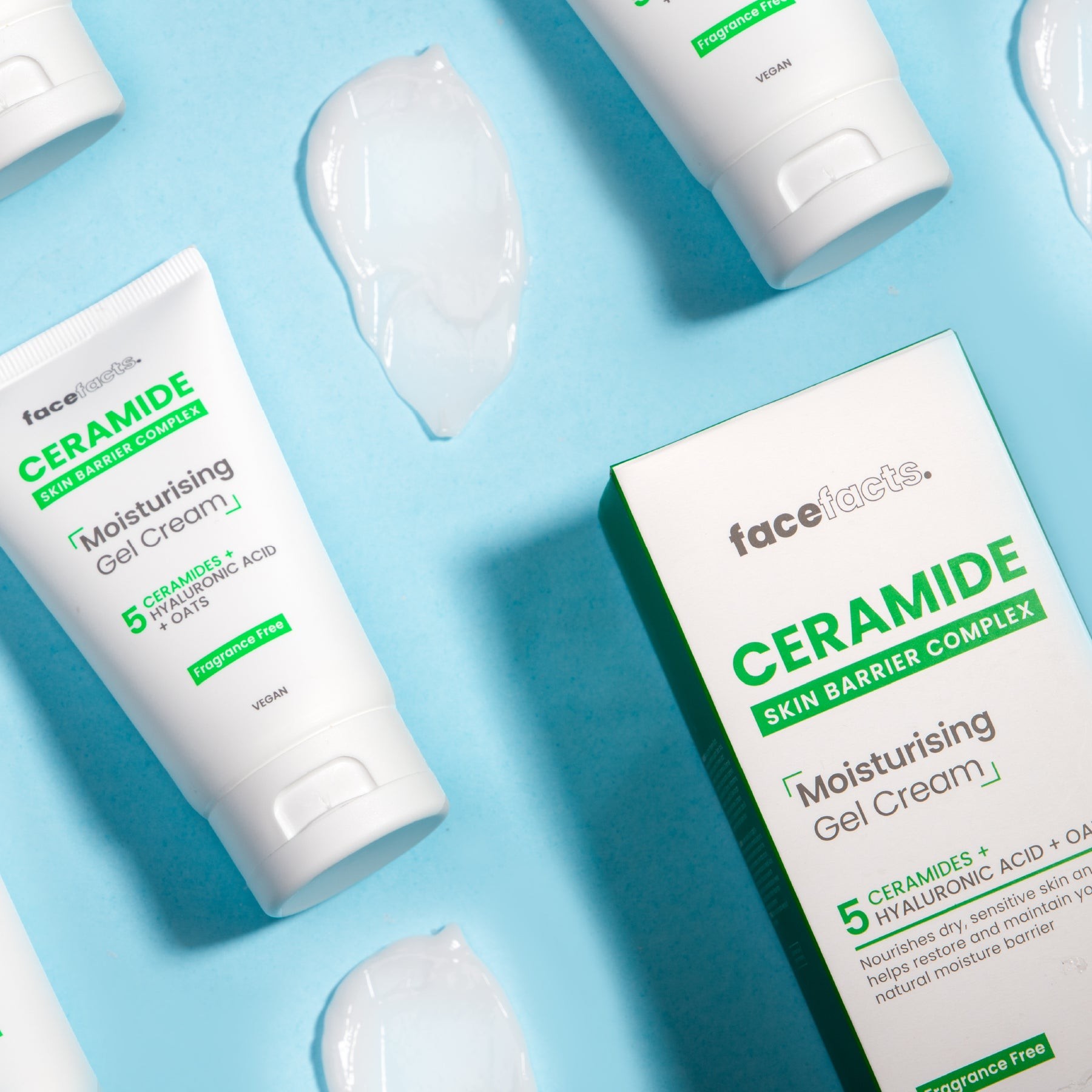
Skin Barrier Damage: Causes, Adding Ceramides and Recovery
The skin barrier is a thin protective film built from layers of skin cells and lipids. When ceramide runs low, gaps open in that film, letting moisture escape and outside irritants slip in more easily. Here is why the barrier breaks down and how ceramide fills those gaps back in.
By Dr. Kim
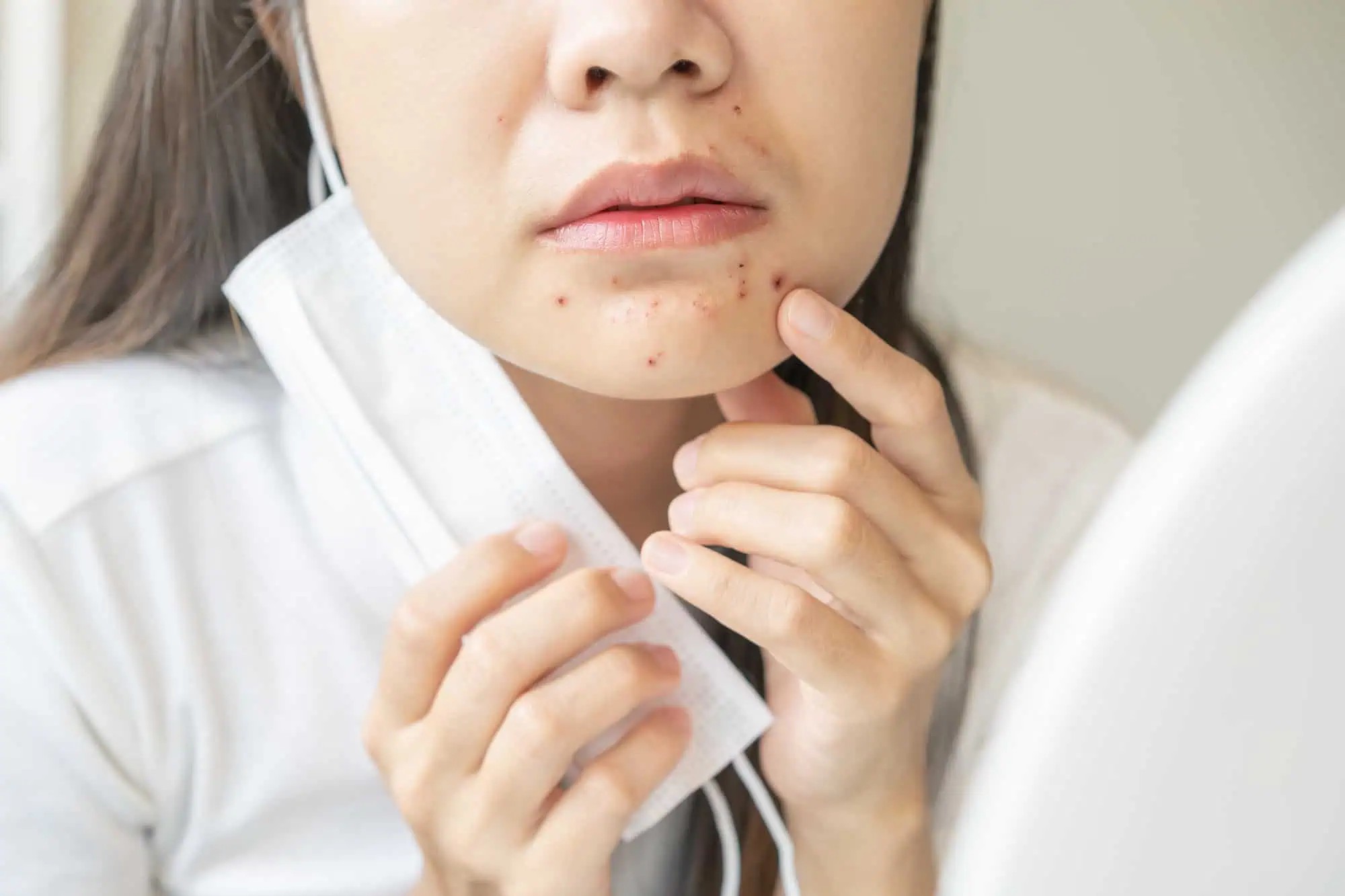
Adult Acne: Causes, Care Ingredients and When to See a Dermatologist
Adult acne shows up in different spots than teenage acne, and the causes are different too. Here is how hormones, skin barrier function, and daily habits combine to trigger jawline breakouts, along with the ingredients and habits that actually help.
By Dr. Kim