Sonocare Ultrasound Care: Soothing After Procedures and Absorption Effect
By Dr. Lee6 min read
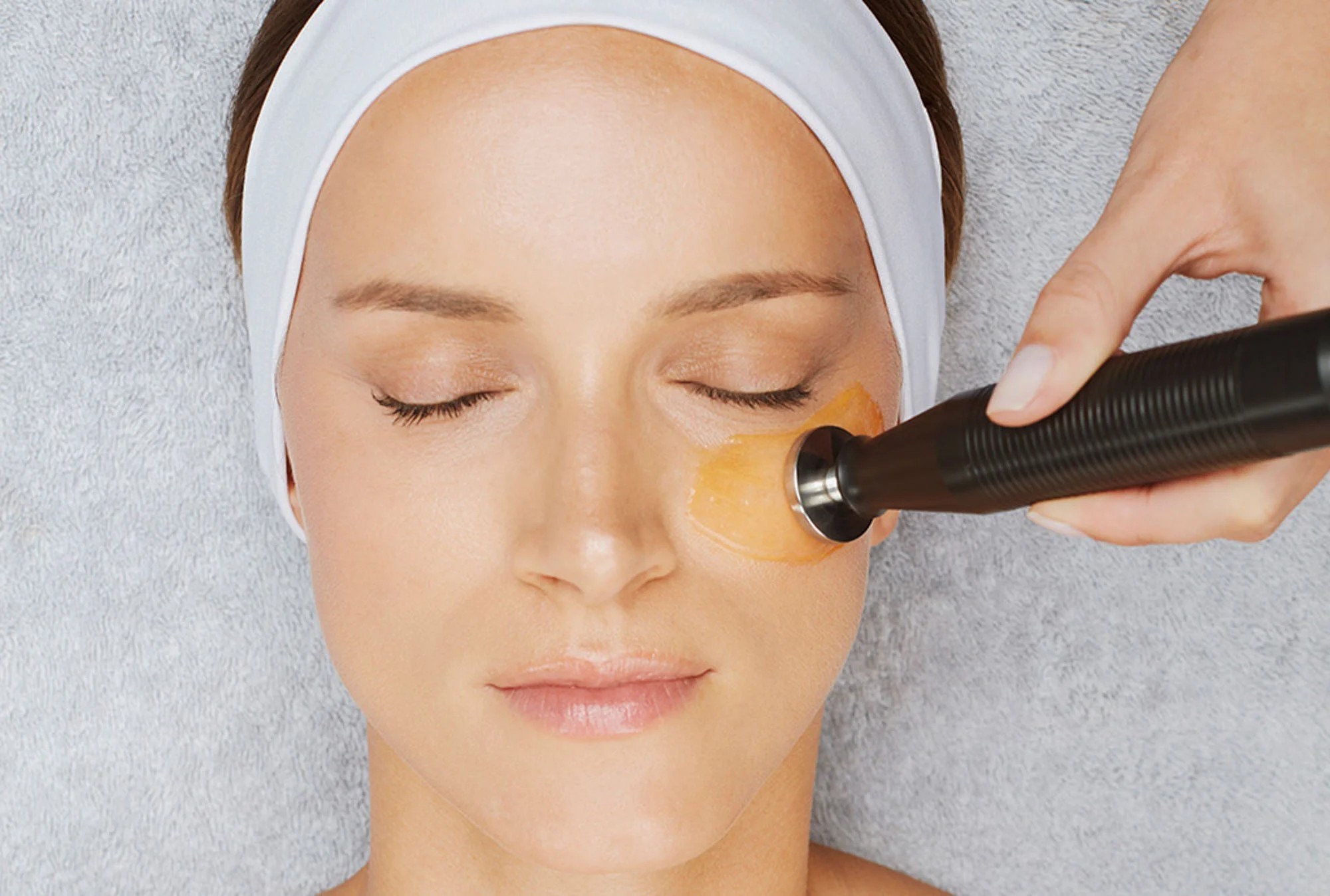
After a laser, peel, or needling treatment, skin stays sensitive for a few days. It turns red, holds onto heat, and even a familiar moisturizer can suddenly sting. This is when clinics often recommend Sonocare as a follow-up care step. It is known for calming the skin and pushing active ingredients in deeper, without any hands-on rubbing.
The "sono" in Sonocare means sound. So this is a treatment built around sound, or more precisely, ultrasound that sits above the range the human ear can hear. Why would a sound wave calm the skin and improve absorption at the same time? Here is the reasoning behind it, step by step.
What Kind of Care Is Sonocare?
Sonocare is an ultrasound device commonly used as a finishing step after dermatology or plastic surgery treatments. The rounded head at the tip of the device is placed against the skin and moved slowly across the treated area.
The ultrasound used here vibrates far faster than anything a human can hear. The human ear picks up sound only up to roughly 20000 vibrations per second, while the waves Sonocare produces oscillate dozens to hundreds of times faster than that. Too fast to hear, but the vibration itself still travels straight into the skin. From the moment the head touches the skin, an invisible vibration is already working its way through the tissue.
What Does Ultrasound Vibration Do Inside Skin?
Once the ultrasound head touches the skin, its vibration gently shakes the cells and water particles in the epidermis and dermis. The motion is so small it cannot be seen with the naked eye.
The idea is similar to dipping a tuning fork into a glass of water. Once the fork starts vibrating, the water as a whole does not visibly slosh around, but every individual water molecule follows that vibration with a tiny movement of its own. Something similar happens inside the skin. Cells, the spaces between them, water, and various ingredients all shift slightly in rhythm with the ultrasound, gradually moving around in small increments.
The vibration produced this way is not strong enough to injure tissue. Ultrasound devices used for skin care are set to a low intensity, designed to give a gentle shake rather than a real stimulus to the tissue.
Ultrasound has two adjustable settings, intensity and frequency. Intensity refers to how strong the vibration is, and frequency refers to how tightly packed the vibrations are. Medical high-intensity ultrasound used to break down fat raises intensity sharply to deliver a strong stimulus to tissue. Skin care ultrasound like Sonocare works the opposite way, keeping intensity low and relying mainly on frequency to give the tissue a soft shake. The same underlying technology ends up serving completely different purposes depending on how the intensity is set.
Why Does Post-Treatment Heat Go Down?
The reason skin turns red and feels hot after a treatment is that the blood vessels and nerves in that area have become temporarily sensitized. Even a small stimulus is enough to dilate the vessels, and the warmth tends to linger.
The fine vibration from ultrasound gently stimulates blood flow in the area. As the vibration lightly taps against the vessel walls, the sluggish flow of blood and tissue fluid is thought to gradually loosen up. Once circulation improves, the heat and waste products that had built up in that spot also clear out more easily. Think of it like gently shaking a clogged drain until the water starts flowing again.
Ultrasound vibration also generates a small amount of heat on its own, since part of the vibration energy converts into fine friction heat within the tissue. This mild warmth is believed to slightly ease tension in the vessels and fascia, helping flushed, overheated skin settle down over time. Achieving this without any hands-on pressing or rubbing is exactly why it suits freshly treated, sensitive skin.
Right after a treatment, the nerves in the skin are far more sensitive than usual, so even the same stimulus feels stronger than normal. Because ultrasound delivers vibration without the pressure of a hand, it can reach the vessels and tissue beneath without directly triggering the nerves. From the outside it can feel like nothing is happening at all, while underneath circulation is quietly being supported. That dual nature is really what defines this kind of care.
Does Ultrasound Change Ingredient Absorption?
The outermost layer of skin, the stratum corneum, acts as a wall that keeps outside substances from getting in too easily. Much like a tightly built brick wall, the cells here are packed closely together with strong bonds between them.
Ultrasound vibration loosens those bonds very briefly and very slightly. As the gaps between cells open up on a microscopic level, active ingredients that would normally be too large to pass through can travel a little further along those gaps. It works something like knocking on a door and having it crack open just a bit from the other side.
Applying an ampoule or serum while this is happening raises the odds that the ingredients travel deeper than if they were simply applied on their own. This is why Sonocare is so often used as a finishing step right after applying calming or hydrating ingredients. The vibration opens the path first, and the ingredients follow it in.
Why Is It Used Right After a Procedure Without Rubbing?
Right after a procedure, the skin has a thinner stratum corneum and a weakened barrier. Applying firm pressure or rubbing at this stage can actually add irritation, making redness and stinging worse.
What sets ultrasound apart is that it can deliver a stimulus to the tissue without any physical pressing or rubbing. Simply resting the head lightly on the skin and moving it slowly is enough for the vibration to travel into the tissue on its own. Without the finger pressure involved in massage, friction-related irritation stays comparatively low. That is why it tends to be introduced as a treatment that can be tried relatively safely even when the skin barrier has just been weakened, right after a laser, peel, or needling session.
Precautions After Care
Sonocare itself is a gentle treatment, but it is worth remembering that skin right after a procedure is still in the middle of recovering.
- Sun protection deserves extra attention right after treatment. With the barrier weakened, pigmentation from UV exposure can set in more easily than usual.
- It is best to avoid saunas or steam rooms for a few hours afterward. Adding more heat to skin that already holds some warmth can make redness last longer.
- Exfoliants or other potentially irritating products are best skipped for a few days. Since absorption is temporarily heightened by the vibration, irritating ingredients can also penetrate more deeply and trigger a stronger reaction.
- If swelling or pain in the treated area lasts a long time, it is safer to check back with the clinic that performed the procedure. Symptoms that do not settle even with calming care may point to something else going on.
Sonocare is less about creating a new treatment effect and more about giving already-sensitized skin a gentle push to recover a bit faster on its own. That makes it a treatment worth considering when the goal is simply to get through the recovery period a little more comfortably, separate from the results of the procedure itself. Helping both circulation and absorption using nothing more than physical vibration is a big part of why it has become such a regular fixture in post-treatment routines.
References
Korean Dermatological Association, American Academy of Dermatology (AAD), and Ministry of Food and Drug Safety (MFDS).
Was this helpful?
About this article
Written by a practising aesthetic physician and intended for general education — not a substitute for individual medical advice.
Read next
Skin Booster Injection and Filler Differences: Hyaluronic Acid Hydration and Duration
Skin boosters feel far more hydrating than anything you apply topically. Here is why: how hyaluronic acid grabs water deep inside the dermis, how that inner glow actually forms, how it differs from dermal filler, and how long the effect really lasts, explained simply.
By Dr. Lee

Skinaura Booster: Effect, Duration and Aftercare
Skinaura Booster combines a hydrating ingredient with a cell-stimulating one to smooth out skin texture. Here is why texture roughens in the first place, which ingredients reverse it and how, plus what determines how long results last and how to care for your skin afterward.
By Dr. Kim
Blackheads: Causes, Care and Is It Okay to Squeeze Them by Hand?
Blackheads aren't trapped dirt. They're a plug of sebum and dead skin cells inside the pore that turns dark through oxidation. Here's why extracting them often leaves marks, and which ingredients actually help, explained through the science behind it.
By Dr. Kim