Skin Botox: Effect and Duration for Pores, Oil and Redness
By Dr. Lee6 min read
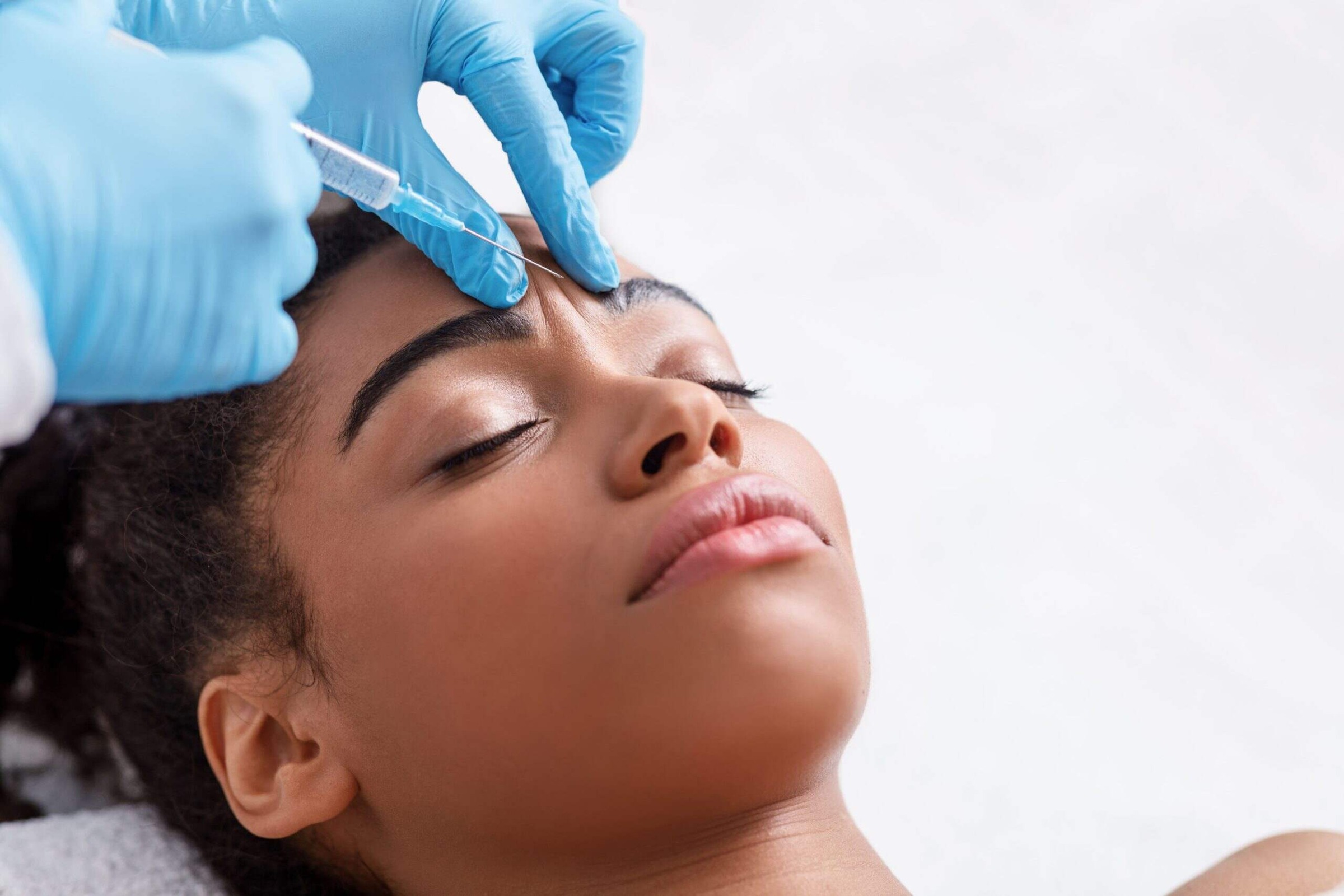
Say the word botox and most people picture smoothing out forehead lines or the crease between the brows. Lately, though, you hear just as much about skin botox: tighter-looking pores, less oil, calmer redness. Same botox, so why does it do such different things?
The answer isn't the ingredient, it's the technique. Wrinkle botox and skin botox both use the same botulinum toxin, but where it goes and how much goes there are worlds apart. That single difference is what changes pores, oil, and redness all at once.
How Is Skin Botox Different From Wrinkle Botox?
Wrinkle botox targets a handful of specific muscles. A concentrated dose goes straight into the large muscles that shape expressions, like the ones that pull your brows together or lift your forehead, and it essentially switches off that muscle's movement.
Skin botox aims at something entirely different. Instead of pinpointing one muscle, the toxin is diluted much more and scattered as countless tiny droplets across a shallow layer over the whole face or a broad area. It's a bit like the difference between pouring water onto one spot in a garden and running a sprinkler evenly over the whole bed.
Spread this shallow and wide, the toxin barely reaches the larger muscles that shape expressions. Instead, it lightly affects the oil glands and sweat glands sitting near the surface, plus the tiny muscle fibers around each pore and the nerve endings feeding them. That's why skin botox can work on texture, pores, and redness without ever giving you that frozen look.
Why Does Skin Botox Work on Oil and Pores?
Oil production starts with a signal from a nerve. A nerve ending releases a chemical messenger called acetylcholine, think of it as a short message a nerve sends to the next cell, and the oil gland cells that receive it ramp up production.
Botulinum toxin blocks that message from going out in the first place, a bit like locking the mailbox so the letter can't leave. With acetylcholine unable to release from the nerve ending, the oil gland never gets its instructions and simply makes less oil. That's the pathway behind reports of noticeably reduced sebum after skin botox.
The pore-tightening effect follows the same logic. Pores stretch open when oil builds up and pushes outward from the inside, so less oil means less of that outward pressure. At the same time, the toxin relaxes the tiny muscle fibers wrapped around each pore, letting them ease from a taut, stretched state into a more contracted one. Put those two together and pores end up looking noticeably smaller, even though their actual size hasn't really changed.
Three Reasons Skin Texture Smooths Out
Sweat glands take their orders from nerves in much the same way oil glands do. When skin botox dials down the nerve signals around sweat glands, excess sweating quiets down too. That's why areas prone to acne, where sweat and oil used to mix into a sticky mess, tend to feel noticeably fresher afterward.
On top of that, as the muscles around each pore relax, the skin's surface has fewer tiny bumps and dips. A bumpy surface scatters light in every direction, and that's what makes skin look dull and rough. A smoother surface with tighter pores reflects light more evenly, giving that dewy, radiant look instead.
In other words, smoother texture isn't down to one single cause. It's oil reduction, sweat control, and relaxed pore muscles all layering on top of each other. Because all three settle down together, people often notice their makeup lasting longer too.
Why Does Redness Decrease?
Facial redness usually starts when a nerve tells nearby blood vessels to widen. Sensory nerve endings release signaling molecules like substance P and CGRP, which instruct the surrounding vessels to dilate. As blood rushes into those widened vessels, the skin looks flushed, a response known as neurogenic inflammation.
Botulinum toxin is also thought to suppress the release of these signaling molecules from nerve endings. In other words, it's not just blocking acetylcholine as described above, it's also curbing the release of the messengers that order blood vessels to expand. As a result, triggers that normally set off flushing, like temperature swings, spicy food, or stress, don't dilate the vessels as easily as before.
Calming overactive sweat glands plays into this too. The nerve pathways that control sweating and the ones that trigger redness often overlap in the face, so when sweating settles down, the flushing that comes with that heat tends to ease alongside it. That said, redness has different root causes from person to person, and in cases where the blood vessels themselves are already dilated, skin botox alone may not be enough.
When Does the Effect Appear and Fade?
Wrinkle botox works by shutting down a muscle's movement outright, so its effect tends to be obvious and quick to notice. Skin botox, on the other hand, works by quietly dialing back nerve signals, so changes tend to unfold more gradually. Most people start noticing less oil and sweat within 1 to 2 weeks after treatment, and changes in pores and texture usually follow a bit after that.
How long results last also differs from wrinkle botox. Nerve endings naturally regrow new branches over time and regain their signaling ability, and because skin botox is spread so shallow and dilute, that recovery tends to happen relatively fast. That's why the effect gradually fades over 3 to 4 months after treatment, with the exact timeline varying depending on a person's natural oil production and skin metabolism.
What Determines the Touch-Up Schedule?
Since the pace of fading differs from person to person, the right touch-up schedule depends on a few things.
- Baseline oil production: Naturally oilier skin tends to see oil ramp back up as soon as the nerve signals recover, which usually means shorter intervals between sessions.
- Dose and dilution used: A stronger, multi-layered application tends to last longer, while a very light, single pass can fade quickly once the nerves catch up.
- Sun protection and daily habits: UV exposure and skin irritation are known triggers for oil glands, so skipping sunscreen can bring back the oil and redness you worked to reduce faster than expected.
Most people find themselves coming back every 3 to 4 months for upkeep, and some reports suggest that repeated sessions gradually train the nerve endings to signal less over time, extending how long each round lasts. That said, this varies too much from person to person to state as a firm rule.
A Treatment That Needs Steady Care, Not a Single Session
Skin botox uses the same toxin as wrinkle botox, but instead of targeting one muscle, it's designed to work lightly and broadly across oil glands, sweat glands, the tiny muscles around pores, and nerve endings. That's what lets it address pores, oil, and redness together without any frozen, stiff feeling.
Because the effect builds up gradually and fades gradually too, it's more realistic to think of this as ongoing maintenance every 3 to 4 months rather than expecting a dramatic change from a single session. Redness in particular can come from several different causes, so some cases respond well to skin botox alone while others need a different approach on top of it. Getting an accurate read on your own skin before starting is the most important step.
References
Korean Dermatological Association, Ministry of Food and Drug Safety (MFDS), American Academy of Dermatology (AAD), and U.S. Food and Drug Administration (FDA).
Was this helpful?
About this article
Written by a practising aesthetic physician and intended for general education — not a substitute for individual medical advice.
Read next
Botox for Sweaty Palms: How Many Months Does It Last?
Botox for sweaty palms works by blocking the nerve endings that signal the sweat glands, cutting sweat production at the source. Here is why the effect fades after a few months, how much it hurts, and what decides how long results last.
By Dr. Lee
Trapezius Botox Effect and Duration, Including Side Effects and Who It Suits
Trapezius Botox, known as Bobby Botox, relaxes the muscle at the top of the shoulders to make the neck look longer and the shoulder line smoother. Here is an easy, research backed look at how it slims the shoulders, how long results last, whether shoulder weakness or other side effects show up, and who makes the best candidate.
By Dr. Kim

Skinaura Booster: Effect, Duration and Aftercare
Skinaura Booster combines a hydrating ingredient with a cell-stimulating one to smooth out skin texture. Here is why texture roughens in the first place, which ingredients reverse it and how, plus what determines how long results last and how to care for your skin afterward.
By Dr. Kim