Thread Lifting, Radiofrequency, and Ultrasound: Differences and How to Choose
By Dr. Kim6 min read

Start researching lifting treatments and you'll run into a flood of device names: thread lifts, radiofrequency, ultrasound. They all sound similar, but they work differently and suit different conditions, which makes it genuinely hard to figure out what's right for you. Pricing varies widely too, which only adds to the confusion. So here are the questions people exploring lifting treatments for the first time actually bring up most in consultations, worked through in order from how each device works to when results appear, how much it hurts, and which treatment fits which condition. Reading through the comparisons should help you walk into a consultation with a clearer sense of direction.
How are lifting treatments classified?
Lifting treatments generally fall into two categories. One delivers heat energy into the skin to stimulate collagen, and the other inserts threads into the skin to physically pull and anchor sagging tissue. Heat-based devices work less through immediate tightening and more through a gradual firming process, as new collagen forms over time.
Thread lifts, on the other hand, insert dissolvable threads into the skin to physically lift and anchor sagging tissue. As the threads settle into place, the surrounding tissue gets stimulated to produce collagen too, so some firmness remains even after the threads dissolve. In short, heat-based devices rely mainly on collagen stimulation, while thread lifts combine physical lifting with collagen stimulation at the same time.
How do thread lifts and radiofrequency differ?
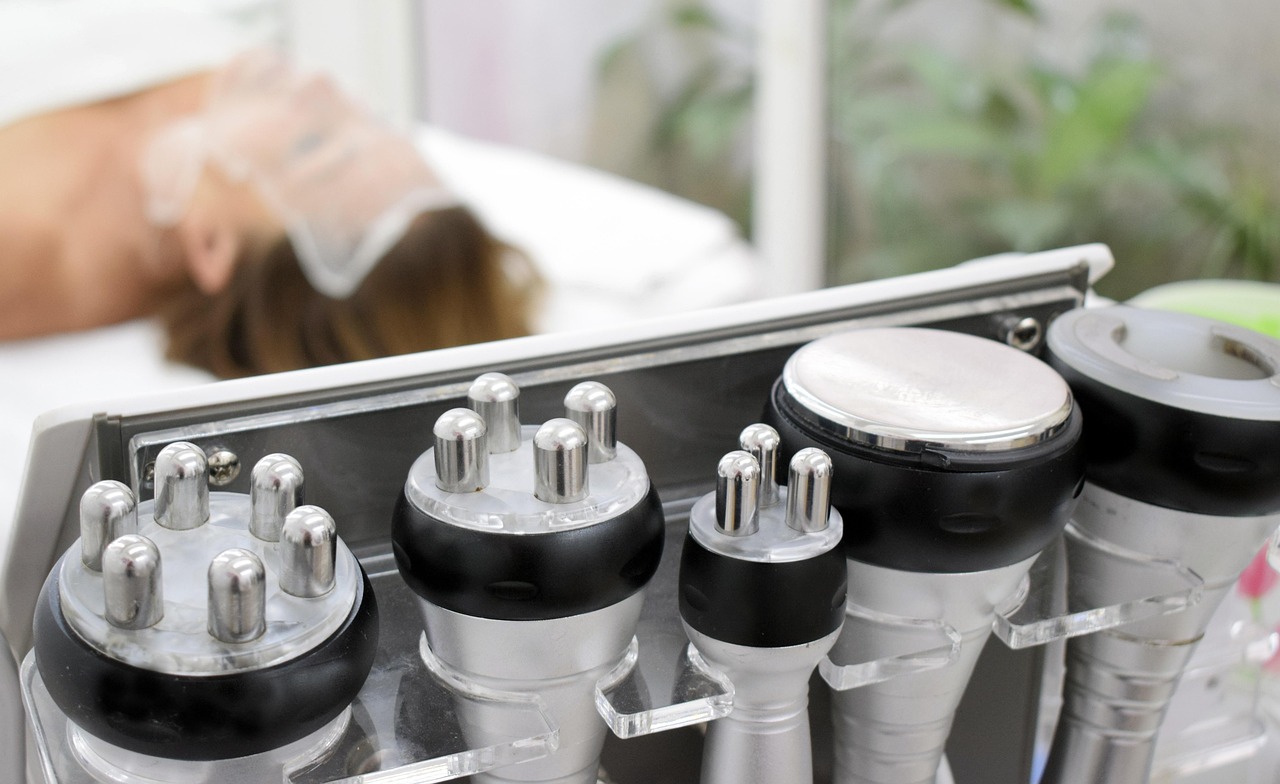
Radiofrequency devices send electrical energy into the skin to generate heat, and that heat stimulates collagen fibers to gradually restore firmness. Since no needles or threads go beneath the skin, the device works from the surface, which generally means faster recovery and makes it suitable for repeated, lighter maintenance sessions.
- Radiofrequency: delivers heat from the skin's surface to stimulate collagen regeneration. Suits mild sagging or early firmness loss.
- Thread lift: physically lifts sagging tissue by inserting threads. Tends to be more noticeable when sagging has already progressed visibly.
- Both stimulate collagen, but the biggest difference is that a thread lift adds physical lifting on top of that.
So which one fits better depends on how much sagging there is and how significant a change you're looking for.
How does ultrasound lifting differ from radiofrequency?
Ultrasound lifting can concentrate and deliver energy deep into the skin, down to the fascia layer, which sets it apart from radiofrequency. Because it delivers heat directly to the fascia layer that helps hold the face up, it's used to firm deeper layers of tissue. Radiofrequency, by comparison, tends to spread heat more broadly across shallower layers.
So for the same sagging, ultrasound tends to be considered more when deeper-layer sagging is the issue, while radiofrequency is considered more when surface firmness and texture are the priority. That said, the depth and method of energy delivery vary quite a bit between specific device models within each category, so it's more accurate to have your skin assessed in person rather than deciding based on a device name alone.
When do results appear and how long do they last?
Heat-based devices show results gradually over weeks to months, as new collagen forms, rather than immediately after treatment. Changes typically start to appear around the one-month mark and settle in by about 3 months. A thread lift tends to show a more immediate change alongside the gradual effect, since the threads pull and anchor tissue right away.
- Radiofrequency and ultrasound: results appear gradually and often last 3 to 6 months.
- Thread lift: combines an immediate lift with collagen stimulation, sometimes lasting around a year.
- No device produces a permanent result. All of them require maintenance over time.
So whichever device you choose, it's more realistic to think of it as part of an ongoing maintenance routine rather than a one-time fix.
How to choose based on degree of sagging
If sagging is mild and you mainly want to support existing firmness, radiofrequency or a lighter ultrasound treatment is often the starting point. If sagging has progressed visibly, with the jawline or cheeks noticeably drooping, a thread lift or a deeper-penetrating ultrasound device is usually considered alongside it. The degree of sagging, skin thickness, and fat volume matter more here than age.
- Mild firmness loss: often starts with radiofrequency-focused maintenance.
- Noticeable sagging along the jawline or cheeks: thread lift or deep-layer ultrasound is considered together.
- Thin skin or low fat volume: device choice and energy intensity need to be adjusted more carefully.
The most reliable way to decide is to consult with a provider who examines and feels your skin directly.
How painful is each treatment?
Radiofrequency and ultrasound can produce a warm, sometimes stinging sensation as energy penetrates deeper layers. Numbing cream beforehand and built-in cooling functions usually keep the pain at a manageable level. A thread lift uses local anesthesia during the thread insertion, so pain during the procedure is minimal, but a pulling sensation or stiffness can linger for a few days after the anesthesia wears off.
If you're sensitive to pain, mention it during the consultation so the anesthesia method or energy intensity can be adjusted. Even with the same device, perceived pain can vary a lot depending on how the intensity is set.
Time until you return to normal life
Radiofrequency and ultrasound generally allow a return to normal activities the same day, though mild redness or slight swelling can linger for a day or two. A thread lift tends to need more recovery time, with bruising, swelling, or a pulling sensation lasting anywhere from a few days to 1 to 2 weeks.
If you have an important event or commitment coming up, it's safer to schedule a thread lift at least 1 to 2 weeks ahead, and radiofrequency or ultrasound a few days ahead.
Can you combine several treatments?
Combining radiofrequency, ultrasound, and a thread lift isn't unusual. Since each works at a different depth and mechanism, you can address surface firmness with radiofrequency, deeper layers with ultrasound, and sagging tissue with a thread lift all together. That said, concentrating too much energy into a single session can increase swelling and irritation, so spacing treatments out and sequencing them is the more common approach.
Which combination makes sense depends on your skin condition and desired outcome, so whether to go with one treatment or combine several is best worked out during a consultation. Rather than getting several devices all at once from the start, it often works better to try one, see how your skin responds, and add the next device based on that. It puts less strain on the skin and makes it easier to tell what change each treatment is actually producing.
When to avoid treatment or tell your doctor
Some devices should be avoided if you're pregnant, have inflammation or infection at the treatment site, or have metal implants or an electronic device like a pacemaker in your body. For thread lifts specifically, let your provider know if you have leftover threads from a past procedure or a history of skin infection in the area.
It's also worth mentioning if you're taking blood thinners or tend toward keloid scarring. When something feels uncertain, don't make that call yourself. Disclosing everything during the pre-treatment intake is what leads to a safe outcome.
References
Korean Dermatological Association, American Society for Dermatologic Surgery (ASDS), and Ministry of Food and Drug Safety (MFDS).
Was this helpful?
About this article
Written by a practising aesthetic physician and intended for general education — not a substitute for individual medical advice.
Read next
Skin Booster Ingredient Differences, When Results Appear, Schedule, and Precautions
The questions people ask most before trying a skin booster. The difference between HA and PDRN-based formulas, whether it's the same thing as a water-glow injection, when results appear and how long they last, pain level, post-treatment bumps, treatment frequency, and who should avoid it.
By Dr. Kim

Before Your First Botox: Effects, Duration, and Side Effects
The questions people ask most before their first Botox treatment, answered in order. How botulinum toxin smooths wrinkles, when results appear and how long they last, how much it hurts, how it differs from filler, and who shouldn't get it.
By Dr. Kim
Getting Filler for the First Time: Duration, Side Effects, and Precautions
The questions people ask most before their first filler treatment, answered in order. How hyaluronic acid adds volume, how long it lasts and how much it hurts, why vascular complications are dangerous and whether they can be reversed, how filler differs from Botox, and what to watch for before and after.
By Dr. Lee